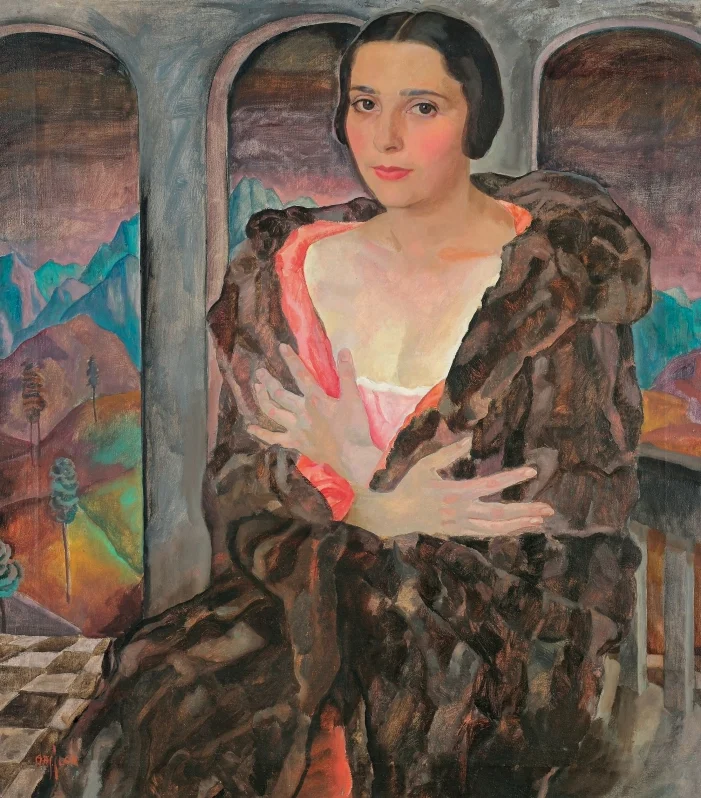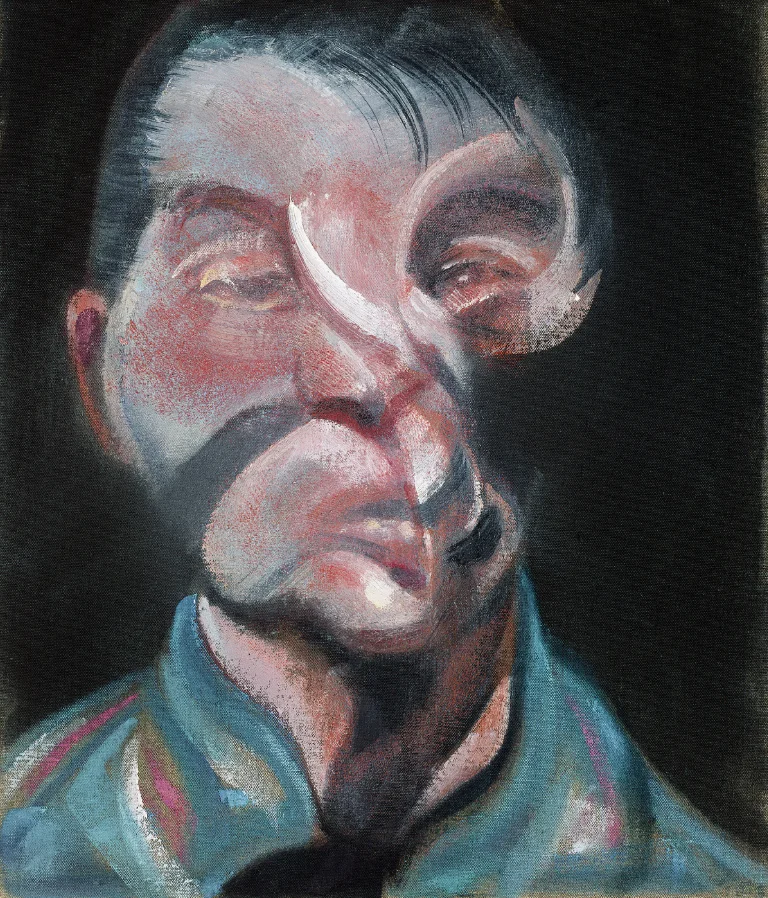
Two giants of 20th-century figurative painting face each other across the canvas — the human body distorted, fractured and reinvented as a mirror of modern life.
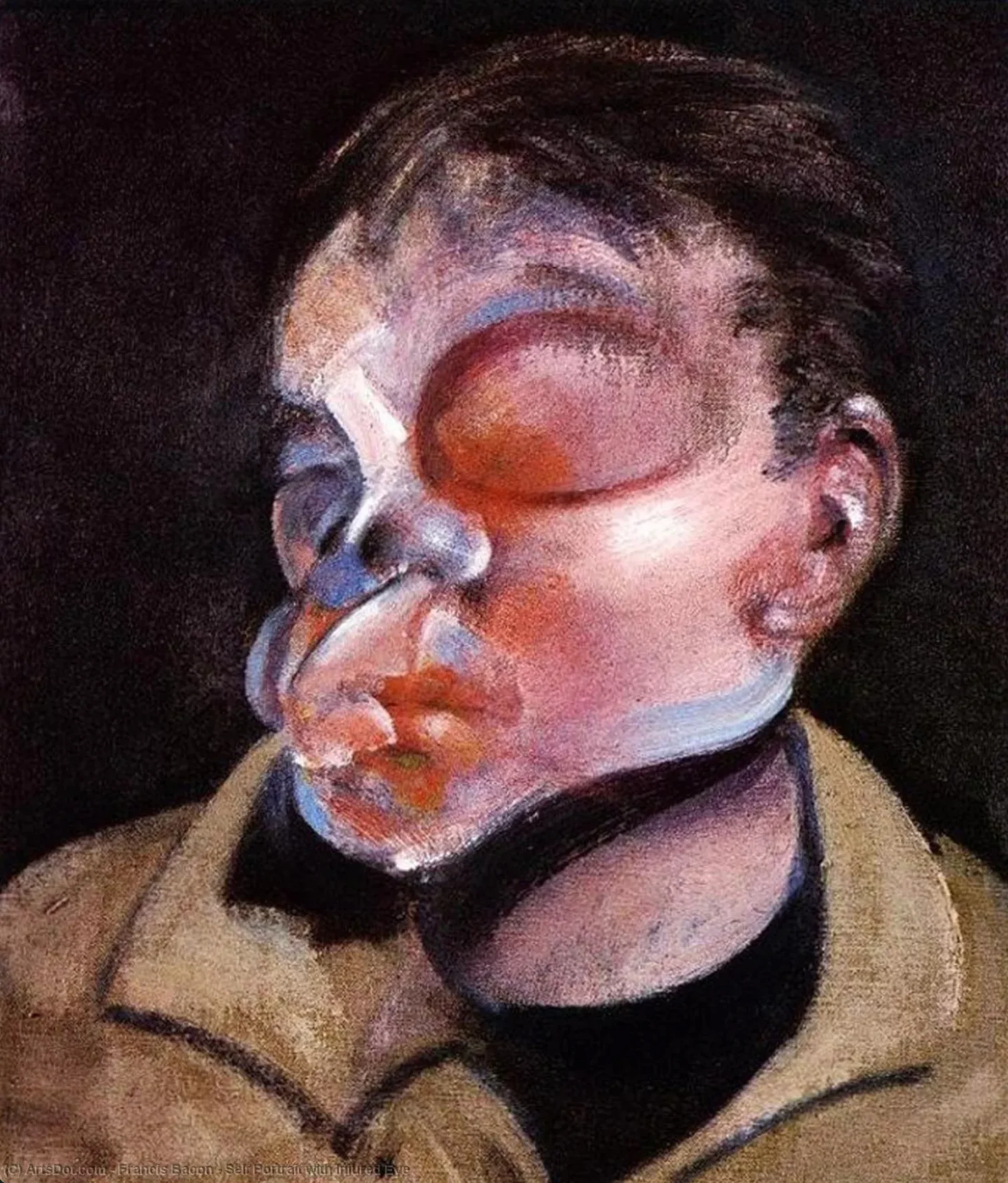
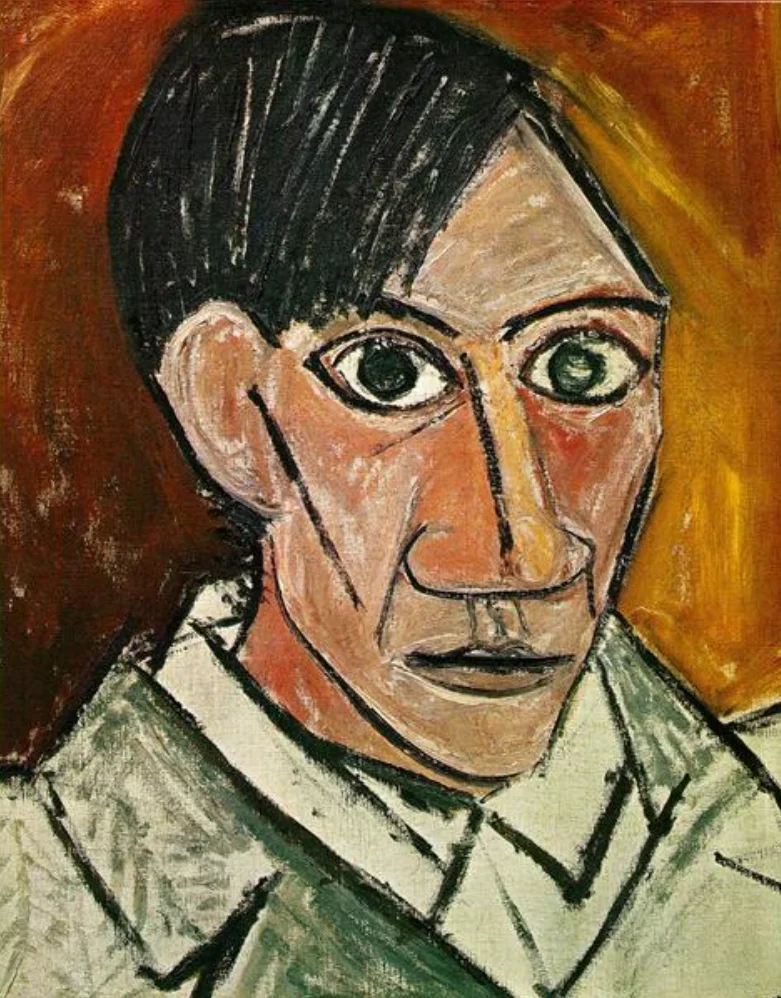

Don't ask which artist is “better.” Instead, look at what happens to the human body between them: Picasso fractures and reconstructs it; Bacon pushes it toward flesh, anxiety and psychological collapse.
Inside the exhibition
Picasso – Bacon: What It Feels Like to Be Human is presented at the ALBERTINA Museum in Vienna from 18 September 2026 to 31 January 2027. The exhibition brings together approximately 70 key works from international museums and private collections in a sustained dialogue between the two artists.
The relationship between the two is fascinating because it was not simply one of influence. Bacon was deeply inspired by Picasso and regarded him as the great artistic figure of the first half of the 20th century. He wanted, in his own words and ambition, to become a kind of Picasso for the second half of the century — a chronicler of what it meant to be human. Picasso, meanwhile, was never influenced by Bacon but followed his career closely.
The exhibition therefore uses their similarities and differences as its organising principle. Both repeatedly returned to the human figure, but neither treated the body as simply something to represent. Bodies are broken apart, distorted, reconstructed and psychologically charged.
The thematic connections include crucifixions, screams, bullfights, nudes and the “Tears of Eros” — subjects through which both artists explored the drama of existence. Pain, sexuality, vulnerability and mortality become visual rather than purely narrative experiences.
Among the works highlighted by the ALBERTINA are Picasso's Figure at the Seaside (1929) and Seated Bather (1930), alongside Bacon's Study for a Portrait (1949) and Figure Sitting (1955). The exhibition also includes Bacon's Self-Portrait (1972) and Three Studies of Isabel Rawsthorne.
The result is less a conventional two-person retrospective than a visual argument: how did two artists, separated by a generation and radically different in style, make the human figure one of the most powerful subjects of modern painting?
Worth travelling for?
A must-see for lovers of figurative painting. The real strength is the confrontation: Picasso and Bacon emerge not simply as two masters, but as two radically different ways of asking the same question — what does it mean to be human?
Picasso – Bacon: What It Feels Like to Be Human
Hours & rating from Google