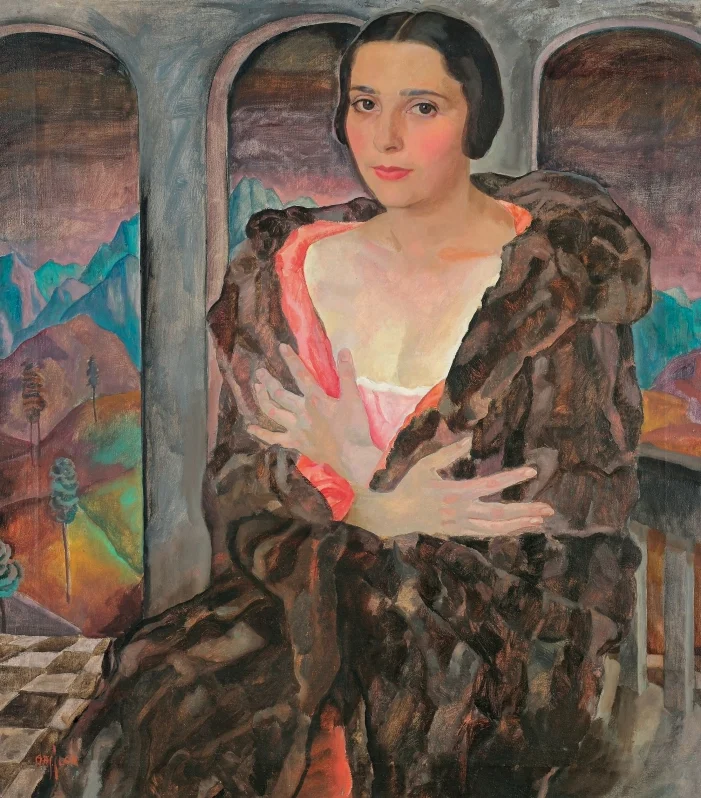
Premiere! OeNB Collection
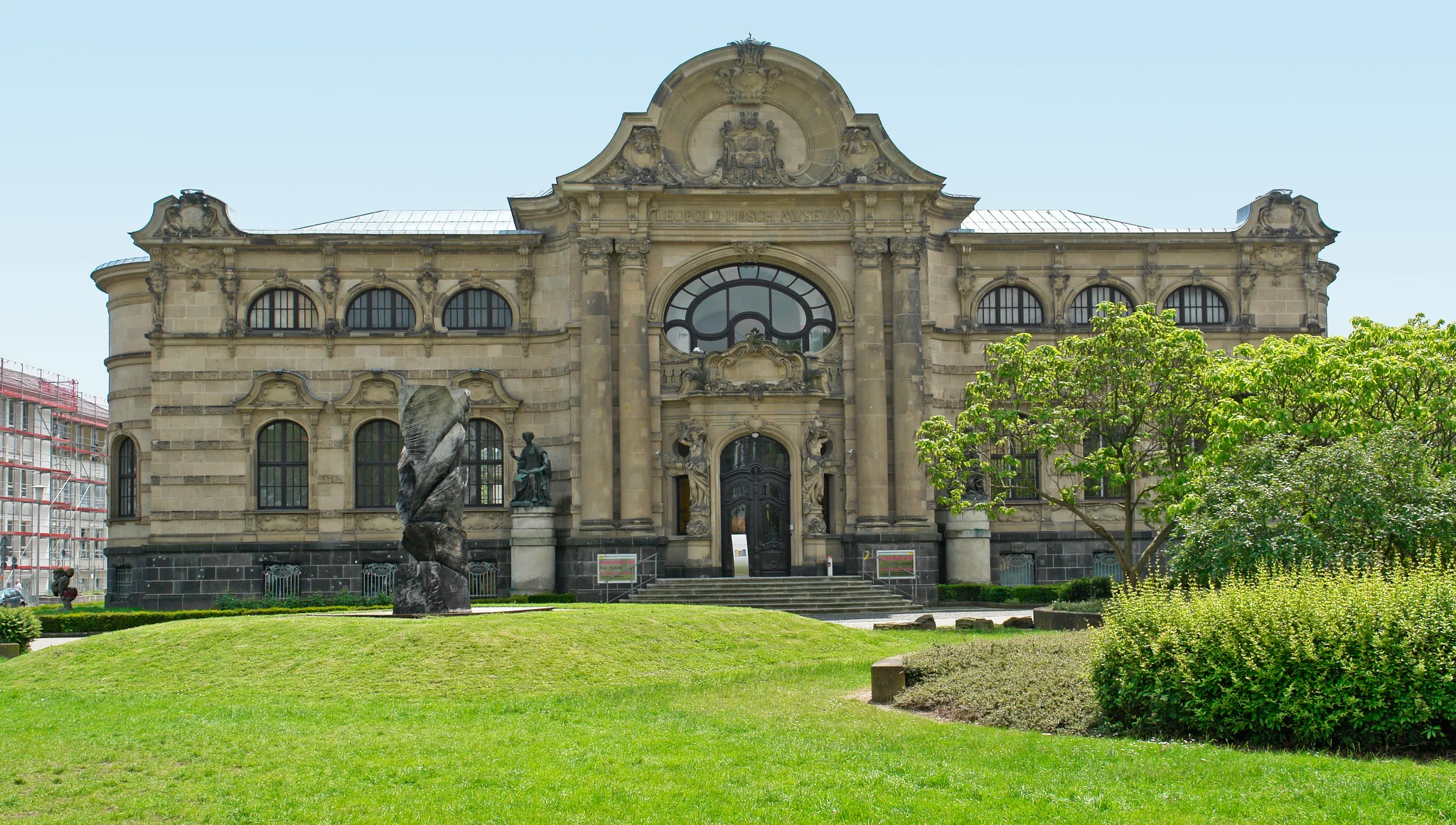
Leopold Museum
Contemporary Art...
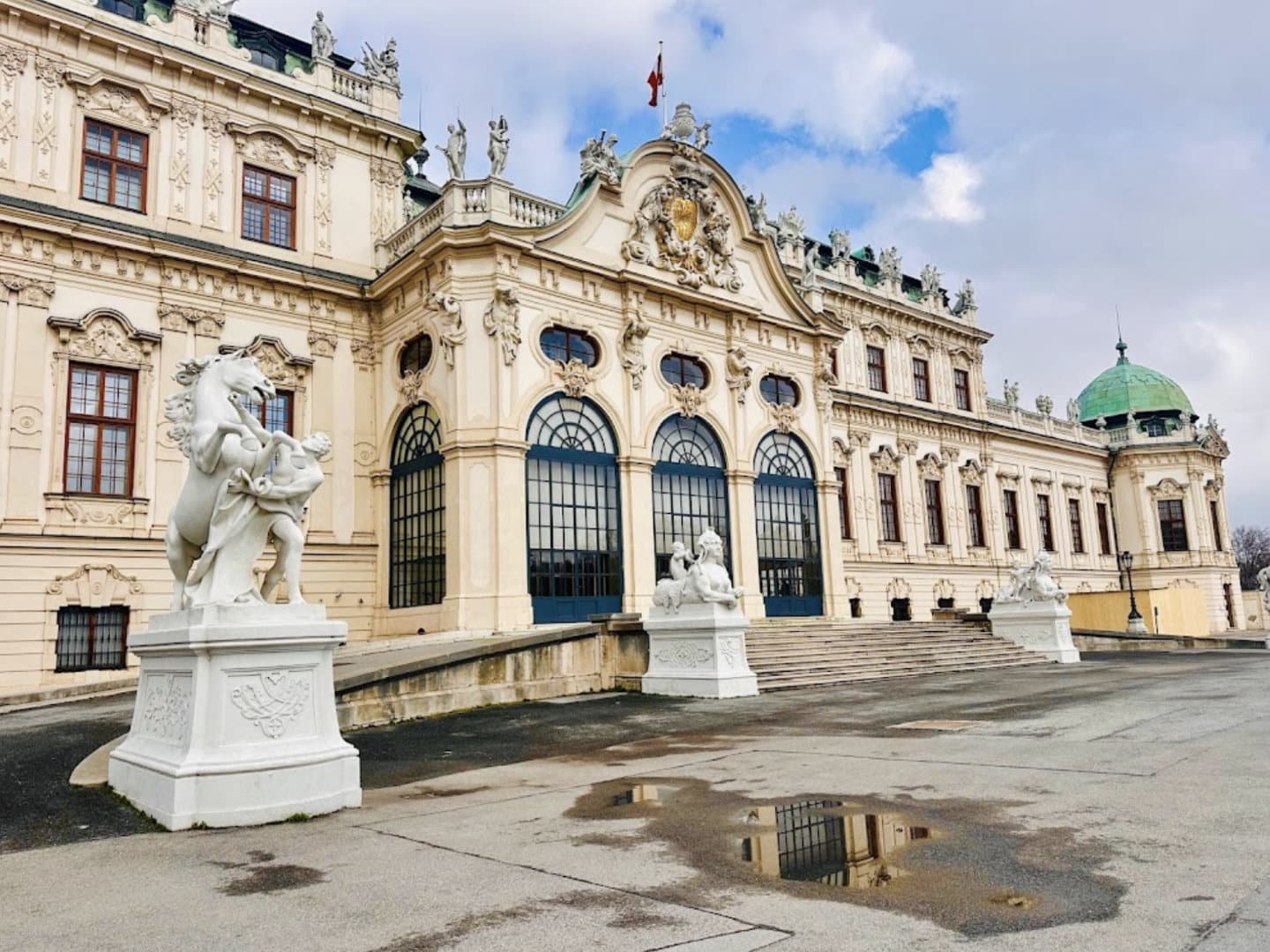
Vienna is an art destination in Austria with 3+ museums and galleries — including Albertina Museum, Österreichische Galerie Belvedere and Leopold Museum — and 1 exhibitions currently on view.
Vienna is a city where empire, psychology and beauty collide — from Habsburg collections and Baroque palaces to Klimt, Schiele, Secession and contemporary art.
What makes it a destination for art lovers
Vienna is worth the trip because it offers one of Europe’s richest art journeys: Old Masters at the Kunsthistorisches Museum, Klimt at the Belvedere, Schiele at the Leopold Museum, graphic treasures at the Albertina, Secession architecture, and a strong museum cluster at MuseumsQuartier.
It is a city where art history feels deeply connected to power, music, design, psychology and modern identity. The Vienna Secession’s Beethoven Frieze, created by Gustav Klimt for the 1902 Beethoven Exhibition, still captures the city’s dream of a total artwork — painting, architecture, music and philosophy in one experience.
Worth the trip if you love:
Klimt · Schiele · Old Masters · Baroque palaces · Vienna Secession · Art Nouveau · design · music · psychoanalysis · modernism · museum cities.
Art in Vienna
Vienna matters because it is one of the places where European art moved from imperial grandeur into modern psychological intensity. The city gives art travelers the full arc: court collections, Baroque spectacle, Secession rebellion, modernist design, expressionist bodies and contemporary institutions.
The Kunsthistorisches Museum is the grand historical anchor. It holds one of Europe’s great museum experiences, connecting Old Masters, imperial collecting and the visual culture of power. For many travelers, it is the place to understand Vienna as a city shaped by collection, dynasty and display.
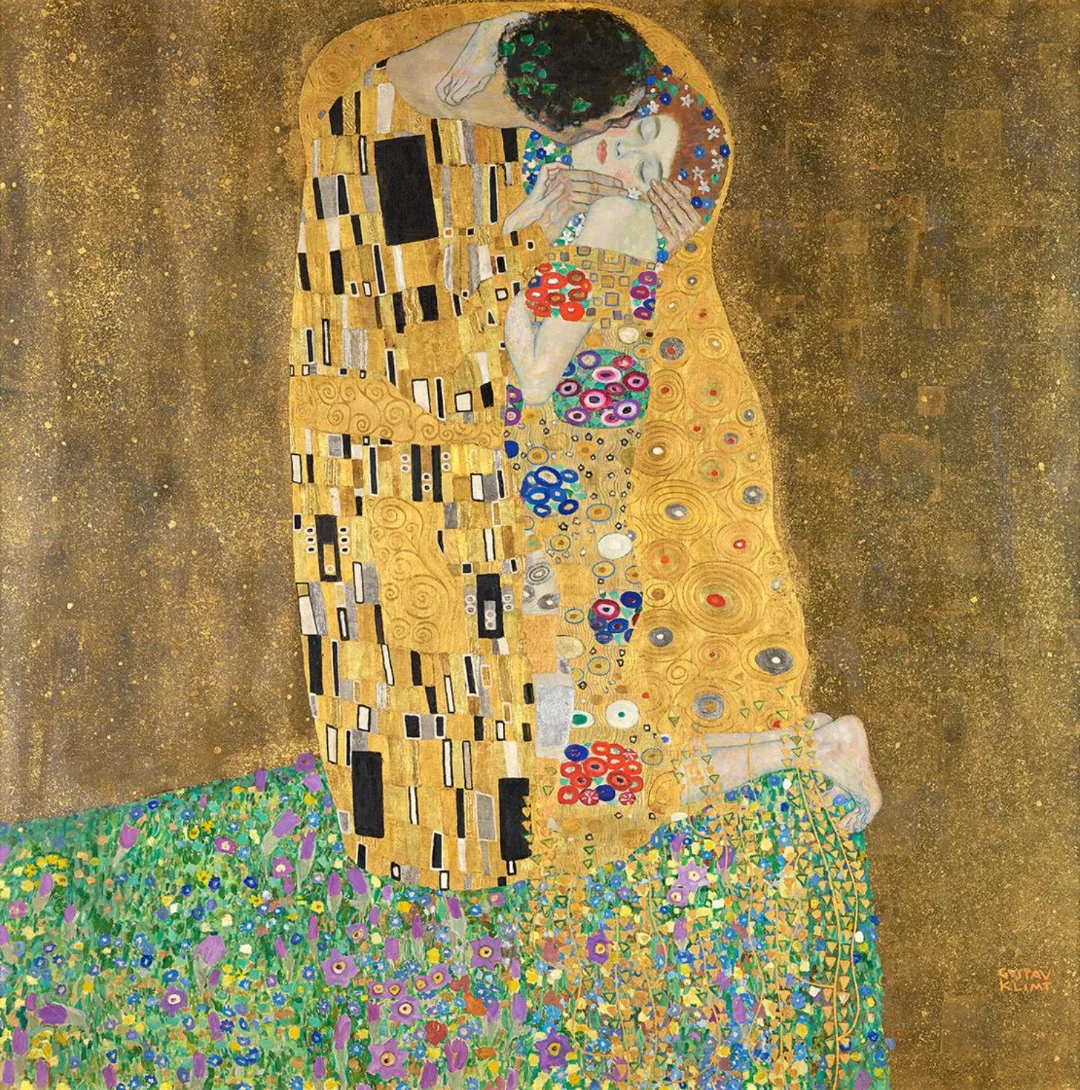
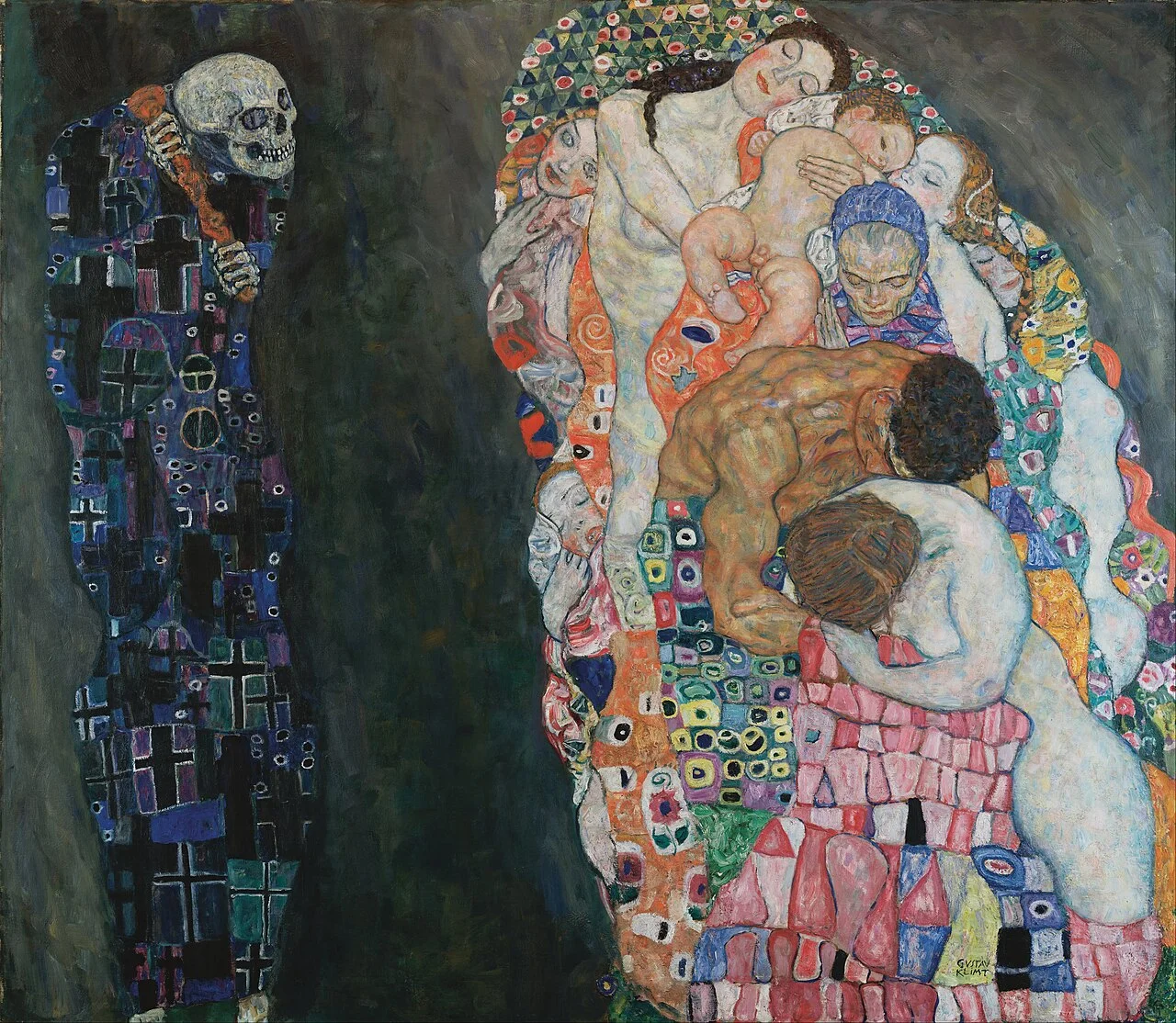
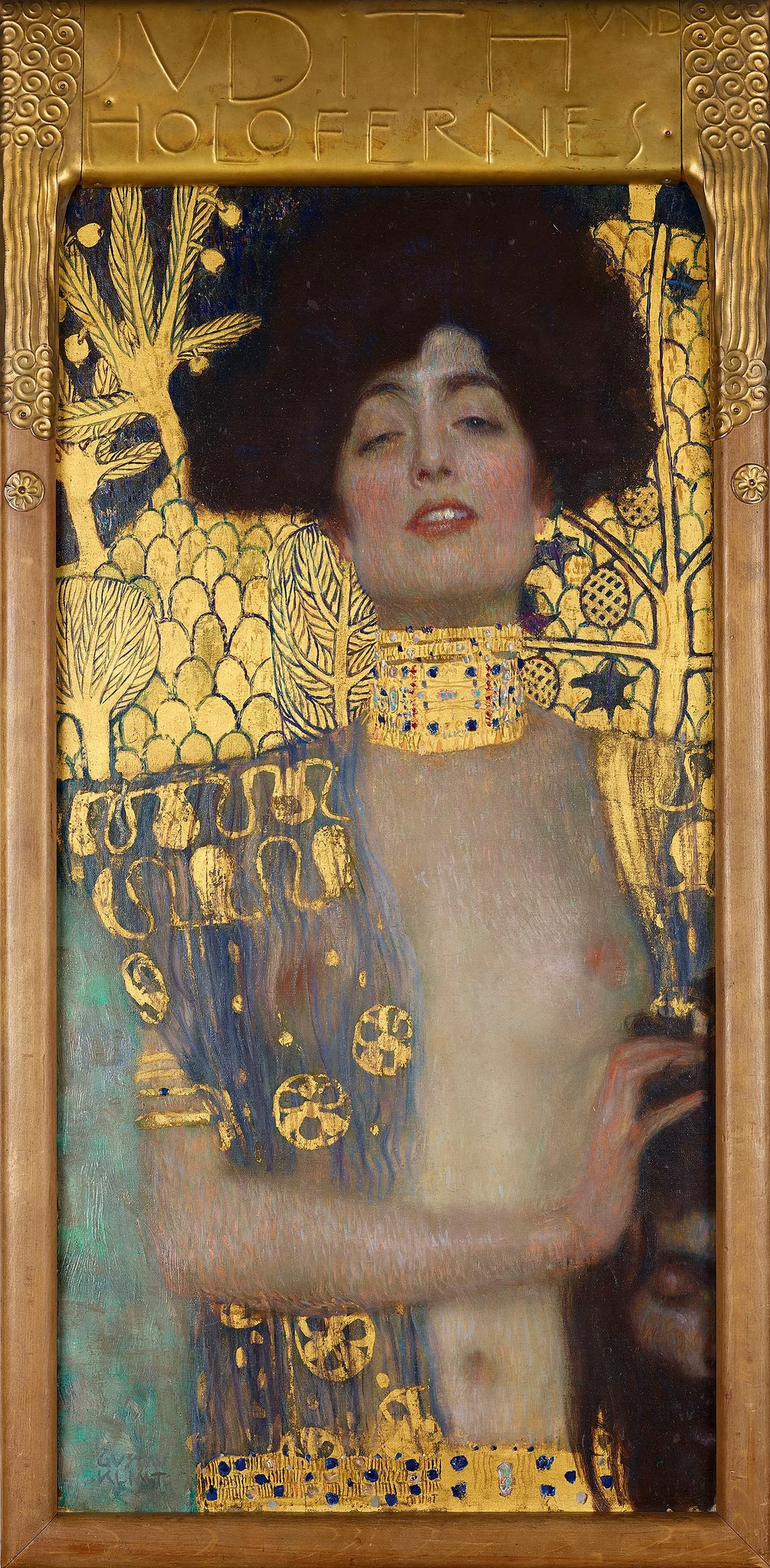
Then Vienna changes mood. At the Belvedere, Gustav Klimt becomes unavoidable — golden, decorative, erotic, symbolic and deeply modern. At the Leopold Museum, the city becomes sharper through Egon Schiele, whose bodies, lines and self-portraits make Vienna feel less like a postcard and more like a psychological revolution. The Leopold Museum highlights masterpieces by Schiele and Klimt as part of its core identity.
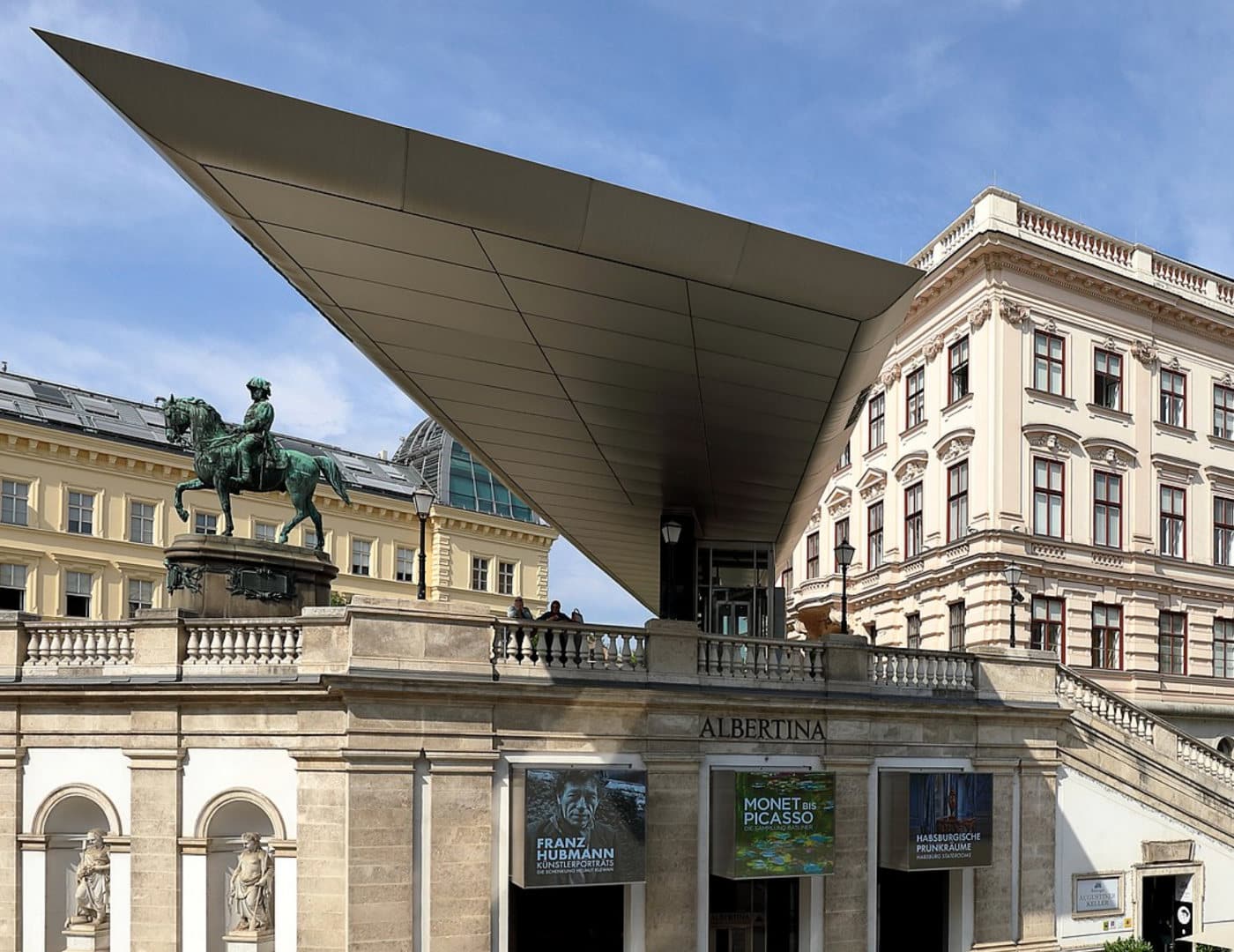
The Albertina adds another essential layer through drawings, prints, modern art and temporary exhibitions, while the Secession Building remains one of the city’s most powerful artistic statements. Klimt’s Beethoven Frieze, created for the 1902 exhibition, was part of a collaborative Secessionist vision directed around the idea of the Gesamtkunstwerk — a total work of art.
Vienna is also a city of design and applied arts. The MAK connects decorative arts, architecture and contemporary design, while MuseumsQuartier brings together major institutions, public courtyards, cafés and a more open cultural rhythm. The city’s contemporary layer includes mumok, Kunsthalle Wien, galleries, fairs and artist spaces that keep Vienna from becoming only a museum of its own past.
For art travelers, Vienna is elegant but never simple. It is beautiful, yes — but also restless, intellectual and strange. Its art is full of gold, music, ornament, bodies, dreams and unease. That is what makes it worth the trip.
When to travel to Vienna for art lovers
Best season: April – June · September – November
Spring and autumn are ideal for Vienna: museum days, palace gardens, café culture and long cultural walks all work beautifully. September is especially interesting for contemporary art, with fairs such as viennacontemporary and ART VIENNA usually strengthening the city’s art calendar.
ART VIENNA 2026 is scheduled for 18–20 September 2026.
Artlovers Tip:
Do not treat Vienna as just “beautiful.” It is more complex than that.
See Klimt and Schiele, then walk the Ringstrasse and feel how beauty, power, anxiety and modernity all live together here.
Keep exploring
Art Districts