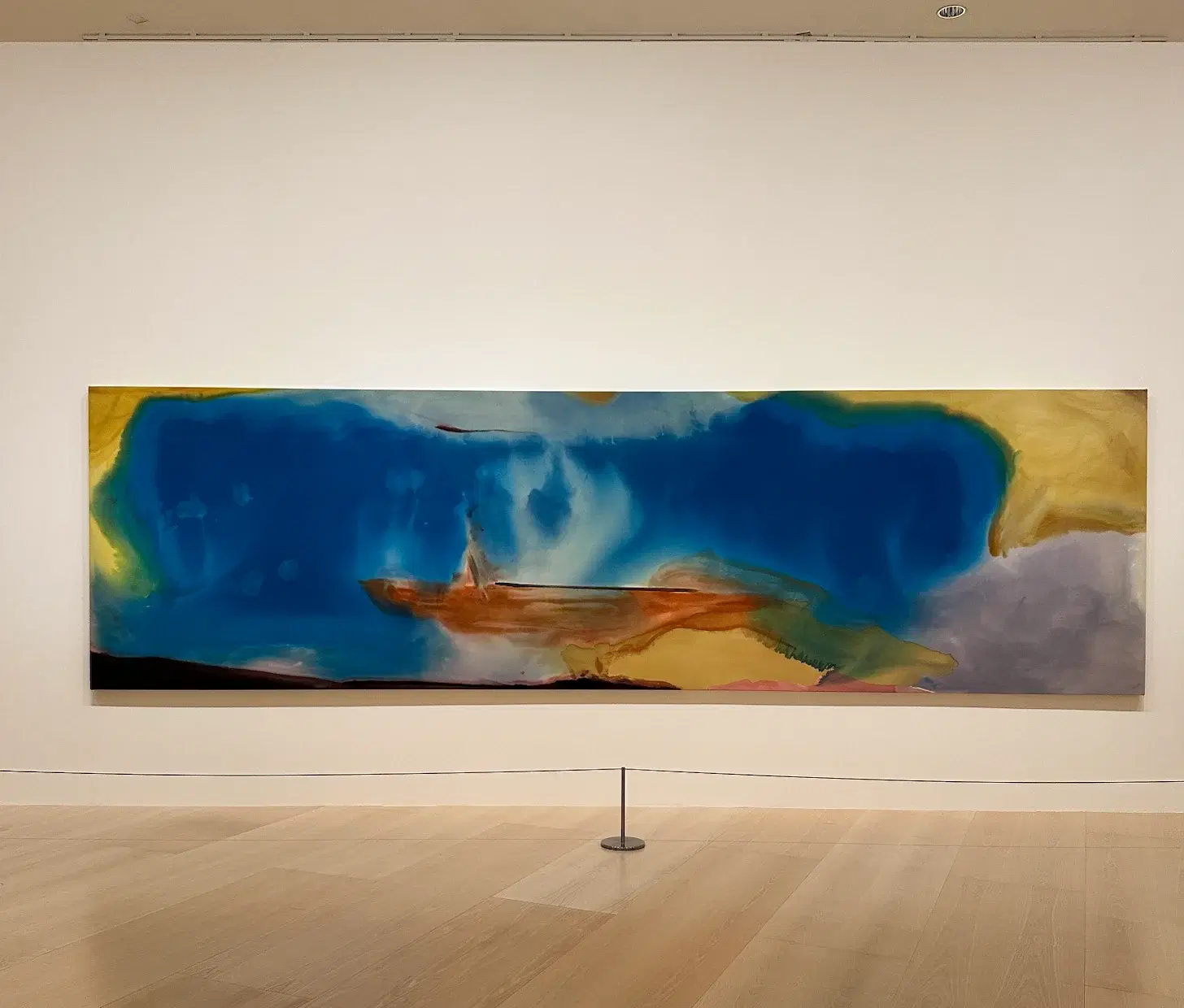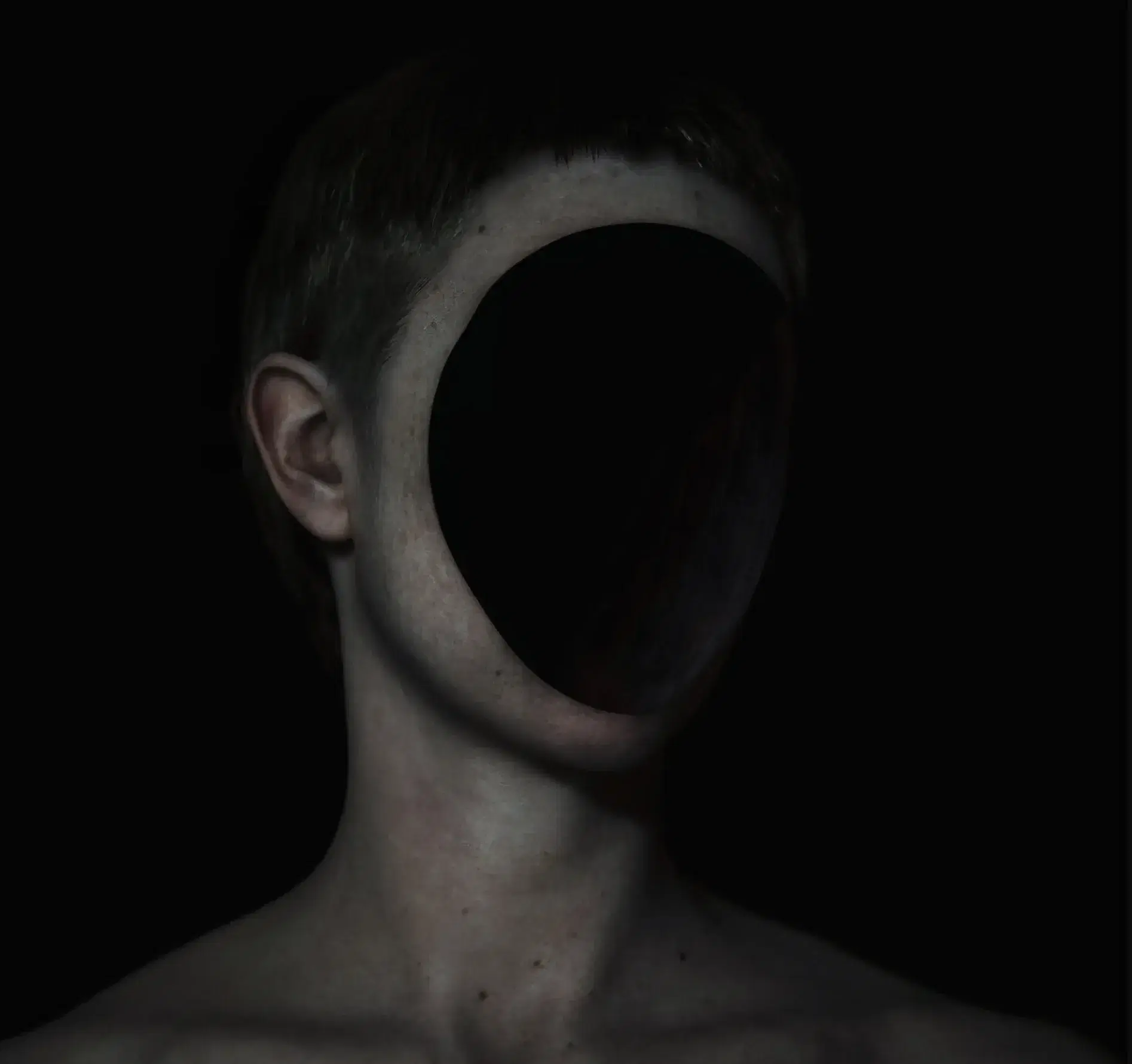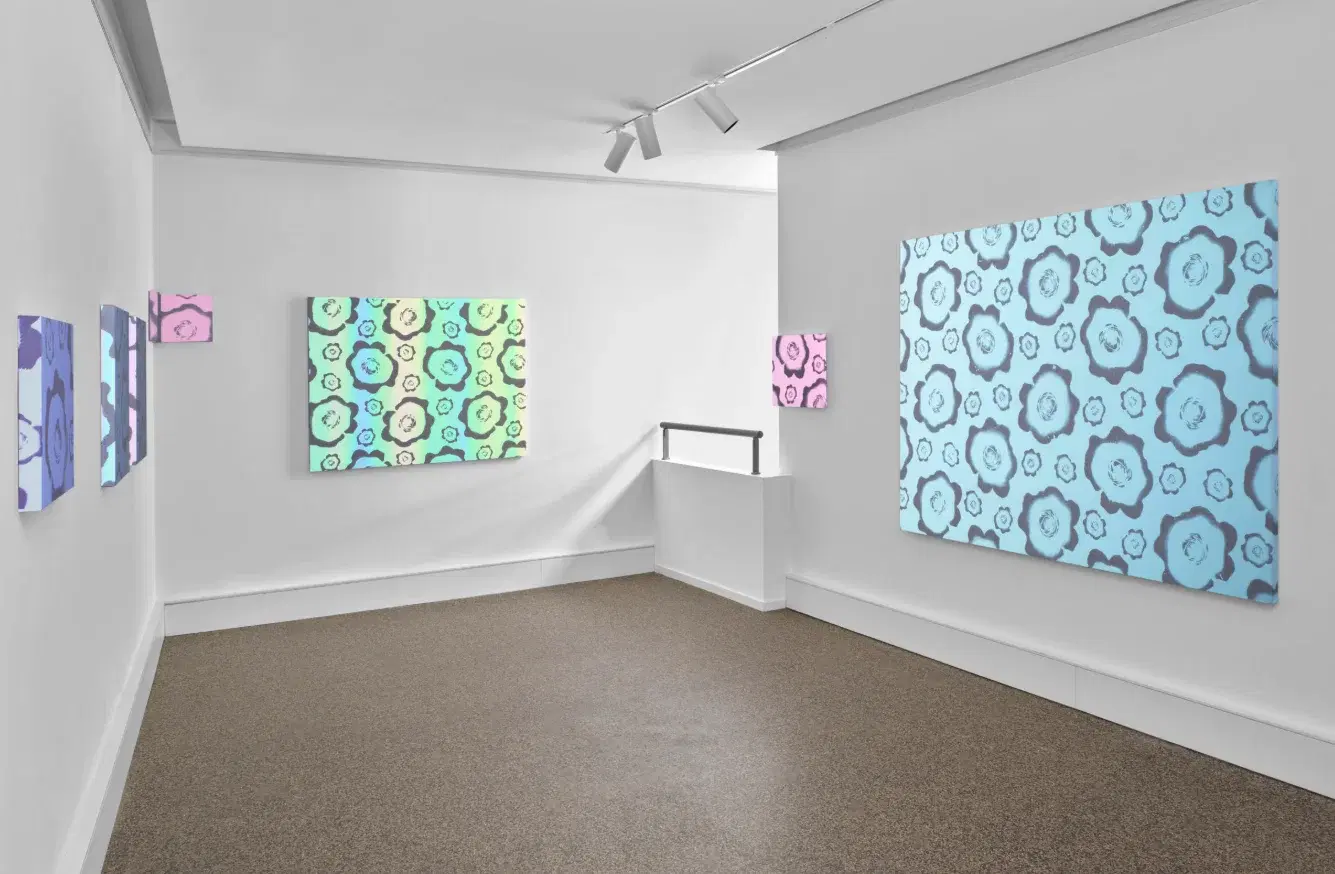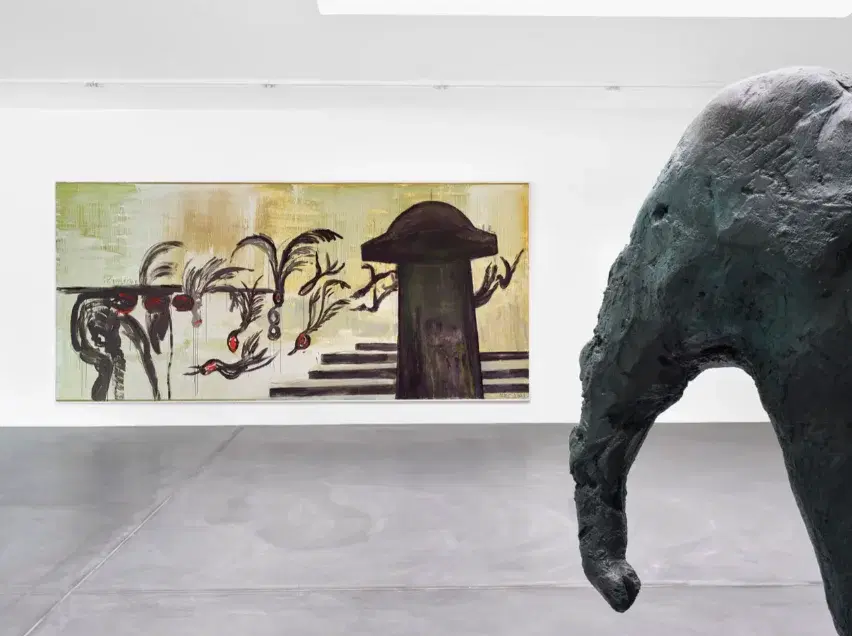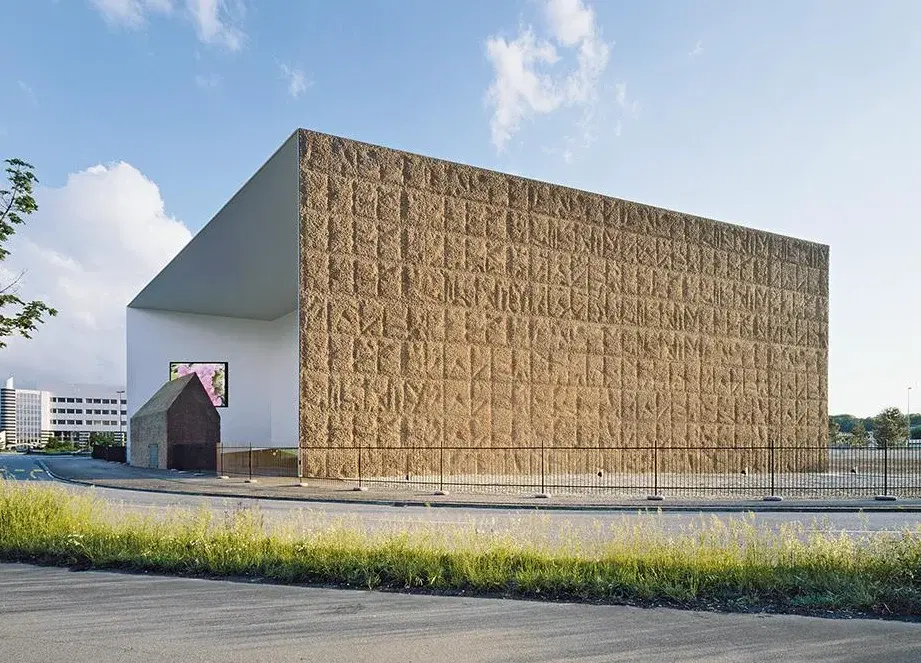
A museum that is not quite a museum. Schaulager is one of Basel’s most radical art spaces: part storage, part research centre, part exhibition venue — a place that changes how we think about seeing, preserving and studying contemporary art.
About
Located in Münchenstein, just outside Basel, Schaulager was founded in 2003 by the Laurenz Foundation with a very specific idea: to combine the storage, study and presentation of modern and contemporary art. Instead of hiding artworks away in invisible museum storage, Schaulager keeps them accessible for research, conservation and selected public exhibitions.
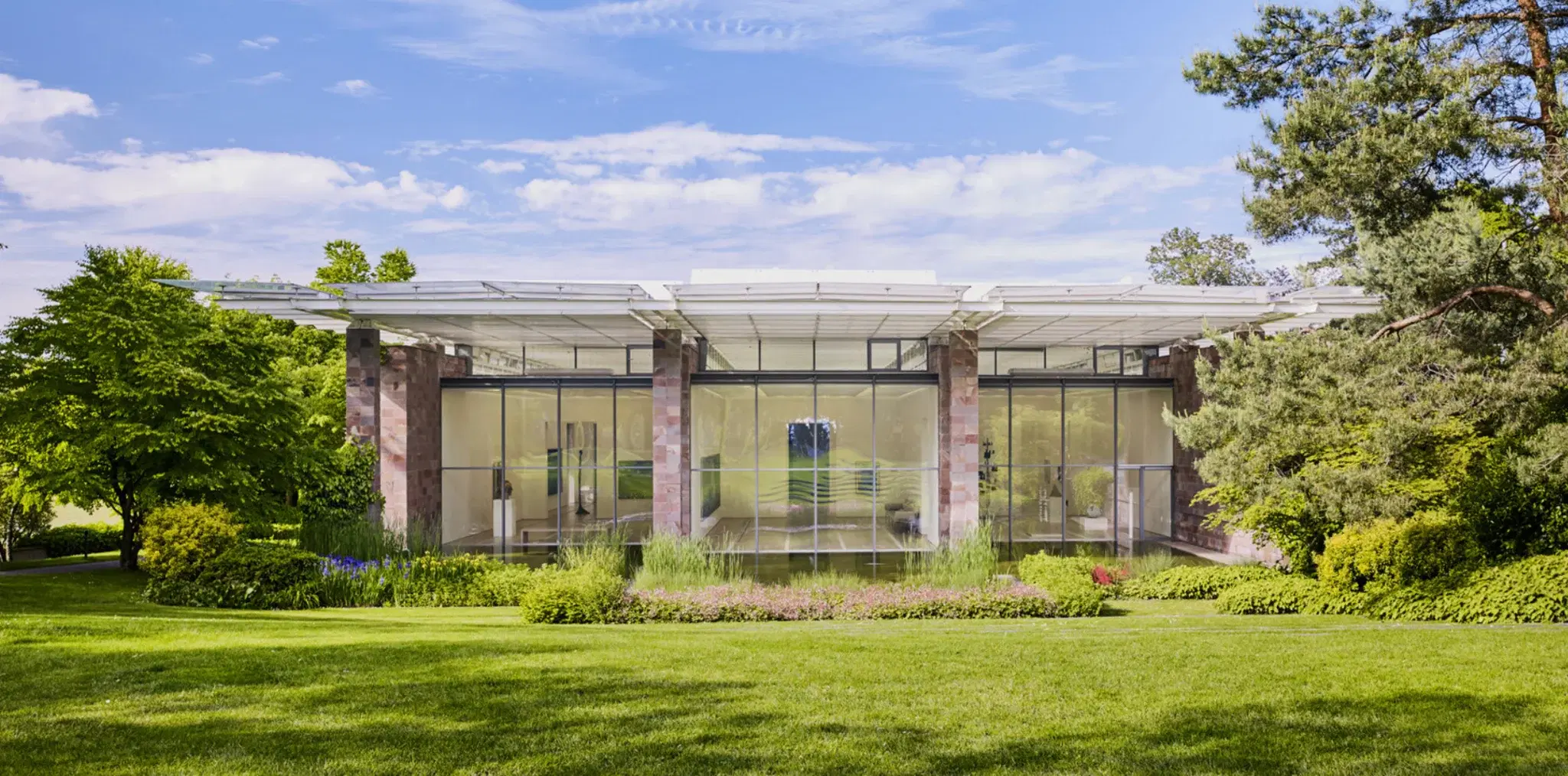
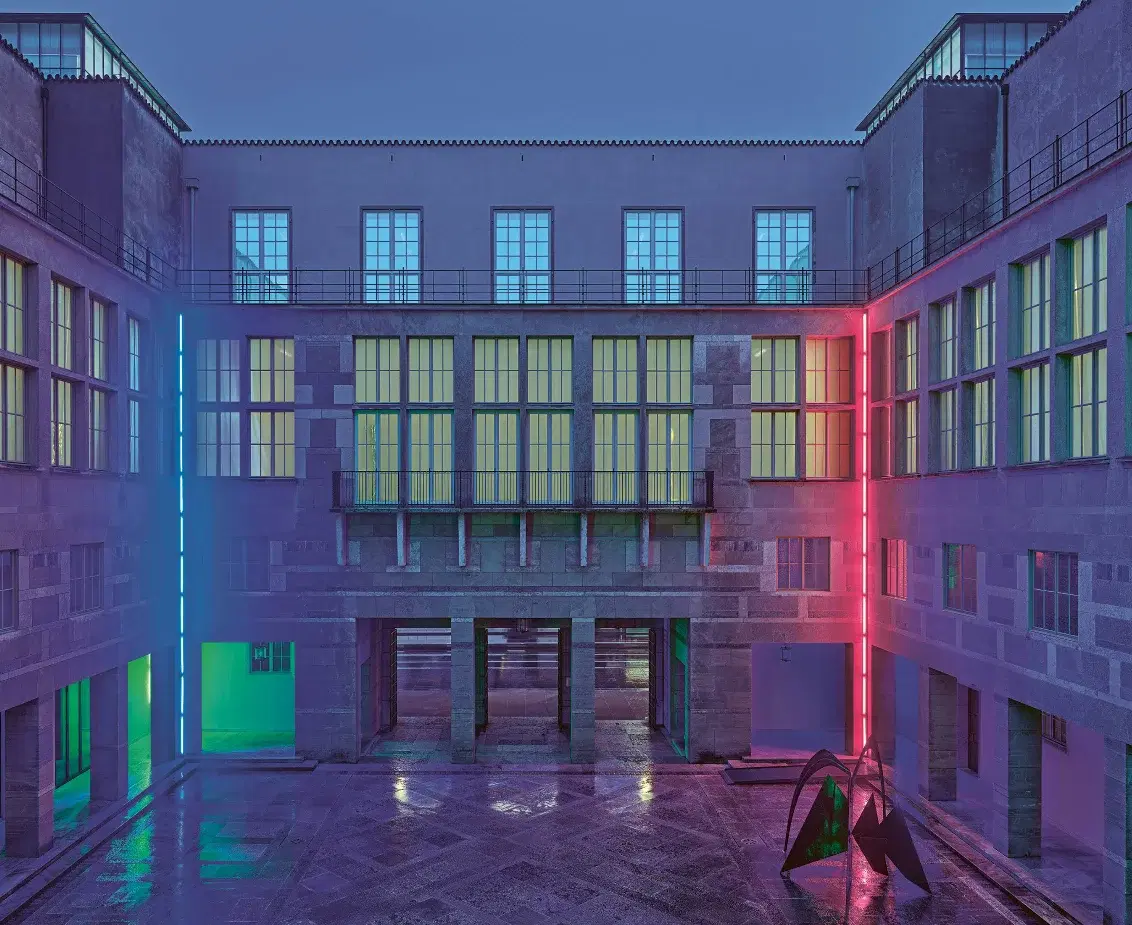
The building was designed by Herzog & de Meuron and feels intentionally different from a classical museum. It is monumental, closed, almost archaeological from the outside — but inside, it was conceived around the idea of art storage as an active, visible, intellectual space.
What you'll see here
Schaulager is not a place where you simply turn up expecting a permanent collection route. It primarily serves researchers, conservators, scholars and students, while opening to the general public during specific exhibitions and events. The works stored here belong to the Emanuel Hoffmann Foundation collection when they are not on view elsewhere, especially at Kunstmuseum Basel.
You may experience:
- Major contemporary art exhibitions
- Research-based presentations
- Works from the Emanuel Hoffmann Foundation collection
- Architecture by Herzog & de Meuron
- A rare look into how art is stored, studied and preserved
- A slower, more conceptual Basel art experience
Worth the trip
Yes — especially if you are interested in contemporary art beyond the usual museum experience.
The best way to enjoy Schaulager is to check access before going. It is open to the public mainly during exhibitions and events; specialist visits to the library and storage areas can be arranged on request.
What makes Schaulager special is its concept. It challenges the traditional separation between storage, research and display. Most museums show only a fraction of what they hold; Schaulager turns that hidden system into the core of the institution.
For Artlovers, it is worth including because it reveals another side of Basel’s art power. Basel is not only about fairs, beautiful museums and major collections — it is also about the infrastructure of art: conservation, scholarship, archives, storage, architecture and long-term cultural responsibility.
© Schaulager