Standing on a hill designed by Michelangelo, you enter the world’s oldest public gallery. It is a transition from the chaotic Roman street into a silent dialogue with the bronze and marble ghosts of the empire.
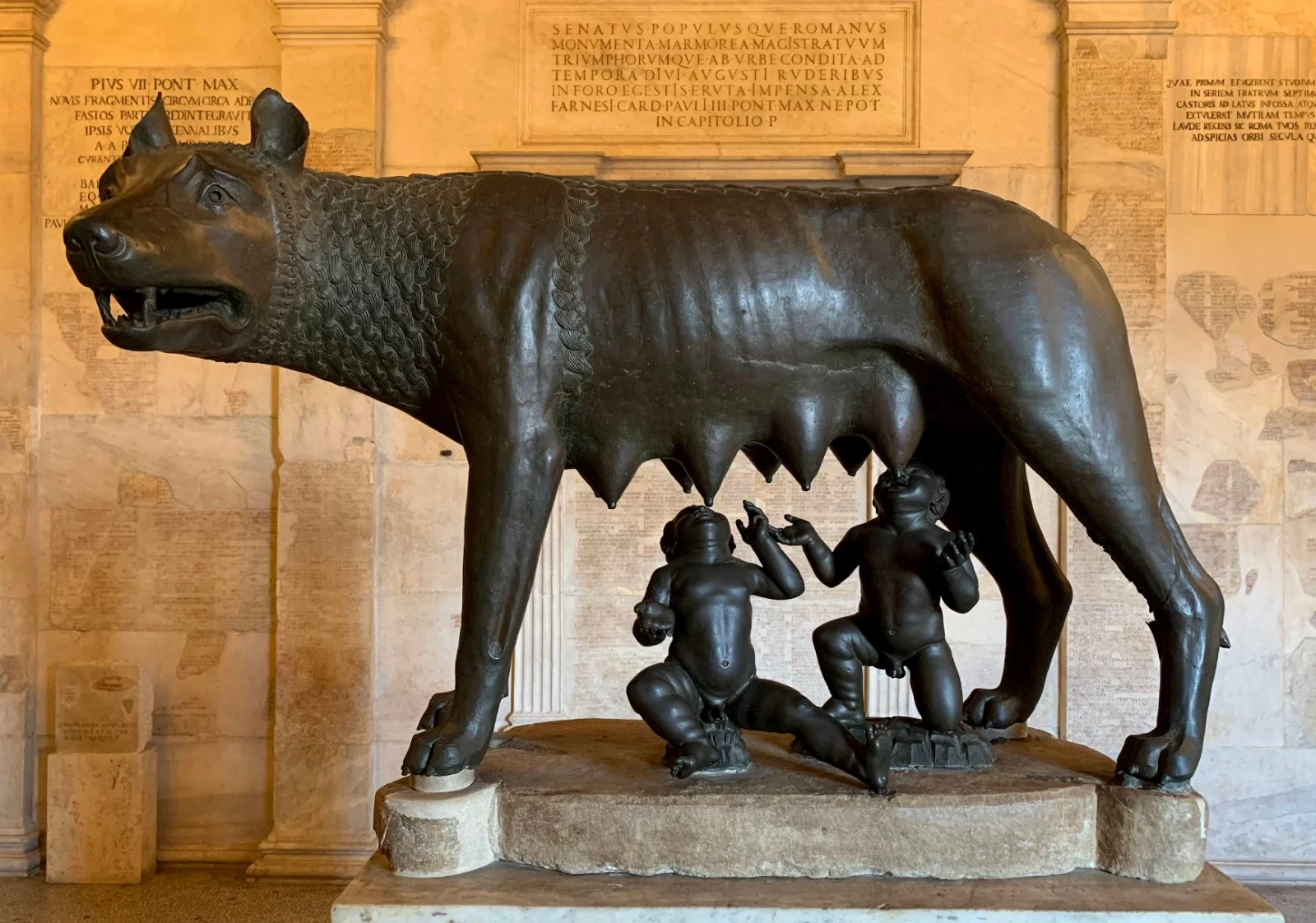
- The Capitoline Wolf: This 5th-century BC bronze of the she-wolf nursing Romulus and Remus remains the fierce, magnetic symbol of the city’s mythical origins.
- Equestrian Statue of Marcus Aurelius: Housed in a light-filled modern hall, this original gilded bronze survived the Middle Ages only because it was mistaken for a Christian emperor.
- The Dying Gaul: A Roman marble copy of a Greek bronze that captures a profound, quiet dignity in its depiction of a fallen warrior’s final moments.
- The Tabularium: An ancient corridor that serves as a gallery of stone inscriptions while offering the most intimate view of the Forum's remains.

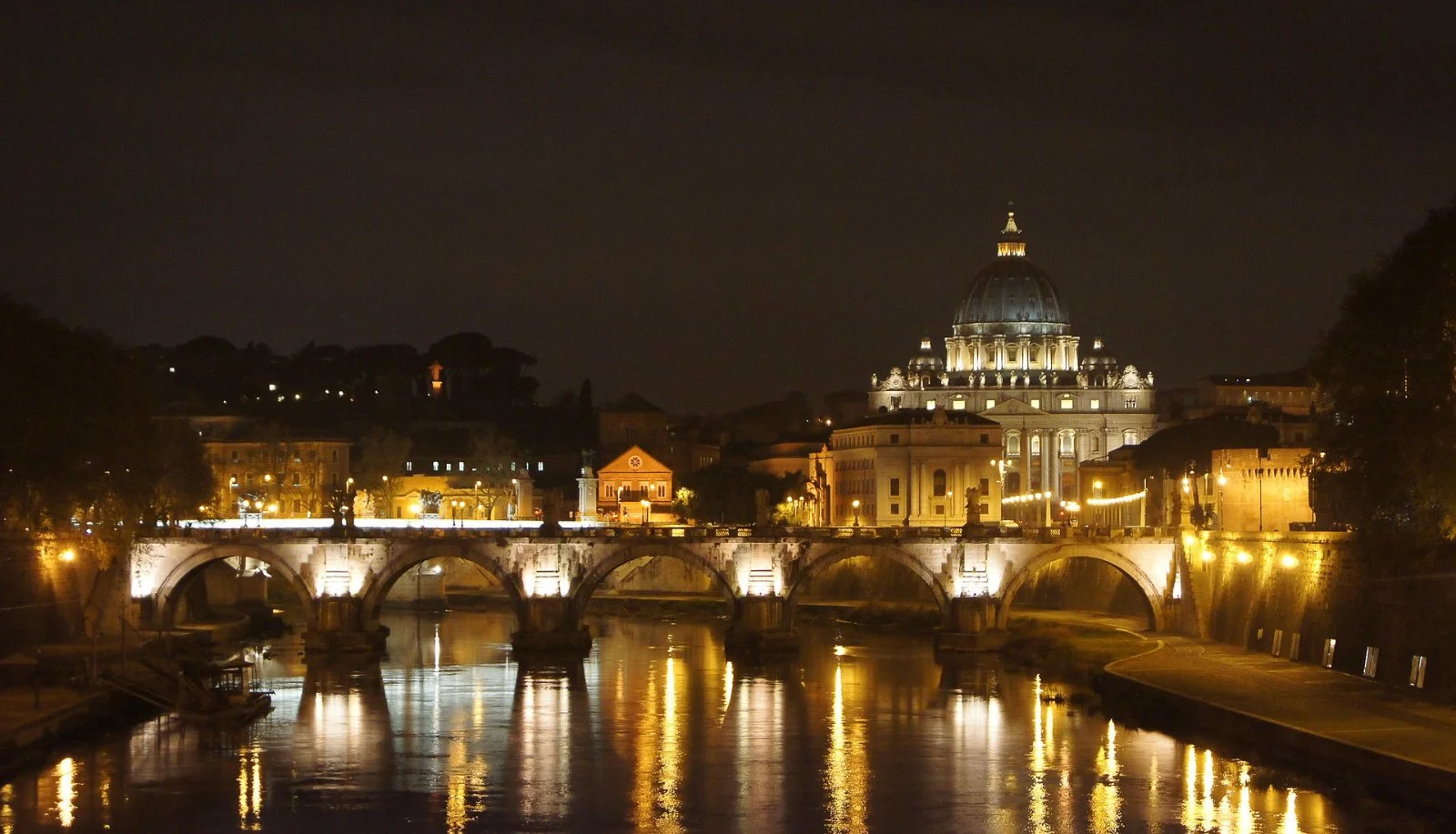
Head to the Terrazza Caffarelli on the top floor. It offers one of the most sweeping, unobstructed views of Rome’s terracotta rooftops and the dome of St. Peter’s, providing a moment of literal and metaphorical perspective.
About the venue
More info
Michelangelo’s trapezoidal piazza sets the stage for a collection that feels less like a gallery and more like the city's living memory. The museums occupy three distinct palazzi connected by an underground passage, where the heavy stones of the Tabularium form a foundation of sheer antiquity. Inside, the architecture is a dense layer cake of history, where Renaissance frescoes serve as an ornate backdrop for monumental Roman bronzes that still seem to pulse with life.
You're watching the afternoon light stream through the glass roof of the Marcus Aurelius Exedra, catching the green patina of the bronze emperor on horseback. Visitors move slowly here, hushed by the sheer scale of the Colossus of Constantine’s fragmented limbs, while the view over the Roman Forum from the stone gallery provides a silent, panoramic bridge between the museum and the ruins outside.
Worth the trip
- Historical Primacy: It is widely considered the first public museum in the world, opening its doors to the Roman people in 1734.
- The Tabularium View: The underground passage connecting the buildings offers a unique perspective of the Roman Forum, framed by the massive ancient arches of the state archives.
- Michelangelo’s Urban Canvas: The museum is inextricably linked to the Piazza del Campidoglio, one of the most harmonious examples of Renaissance urban planning ever realized.
© Musei Capitolini
Musei Capitolini
Piazza del Campidoglio
Hours & rating from Google
On show now