At a glance
A major chance to see Diego Rivera not only as a Mexican icon, but as a builder of modern visual identity — where art, politics, tradition and revolution meet.

Artlovers Tip
Art travelers interested in modernism, Mexican muralism, political art, Frida Kahlo’s context, and exhibitions that connect art history with national identity. A rare European encounter with Diego Rivera and the artists who turned Mexican modern art into a language of identity, memory and transformation.
Inside the exhibition
Meet the artist
Description
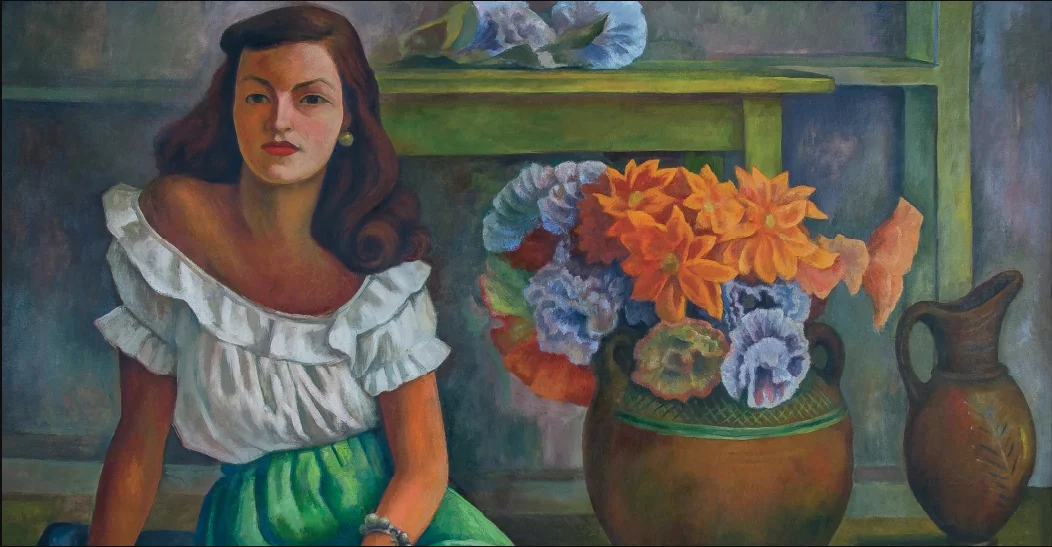
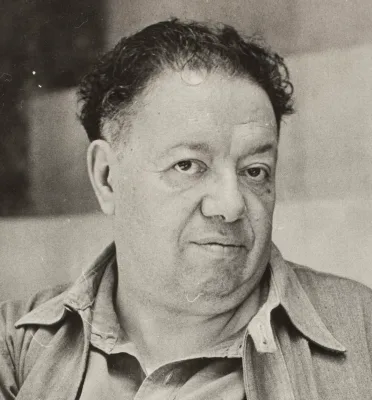
This exhibition is presented as the largest show on Mexican art in Europe in recent decades, and the first major exhibition in Italy dedicated to Diego Rivera. It brings together more than 140 works, including 30 by Rivera, alongside artists such as Frida Kahlo, José Clemente Orozco, David Alfaro Siqueiros, María Izquierdo, Rufino Tamayo, Dr. Atl and Tina Modotti.
The show moves through Rivera’s formation, his dialogue with European modernism, the Mexican cultural renaissance and the legacy of muralism beyond social realism. Expect painting, documentary material, videos and photographs, including images of Rivera by Tina Modotti. The presence of artists such as Kahlo, Orozco and Siqueiros helps place Rivera inside a larger, powerful network of Mexican modernity.
Key themes
- Art as identity-building. Mexico after 1821 needed images capable of representing a new, diverse and changing nation.
- Muralism as public art. Rivera, Orozco and Siqueiros helped redefine art as something made for communities, public spaces and political imagination.
- Tradition + avant-garde. The exhibition connects academic training, European experimentation, indigenous heritage, popular culture and social urgency.
Worth travelling for?
Rivera is not shown here as an isolated genius, but as part of a wider cultural project: the making of modern Mexican art after independence, revolution and social transformation. The exhibition follows how Mexican artists built a visual language rooted in pre-Columbian heritage, popular culture, European avant-gardes and post-revolutionary ideals.
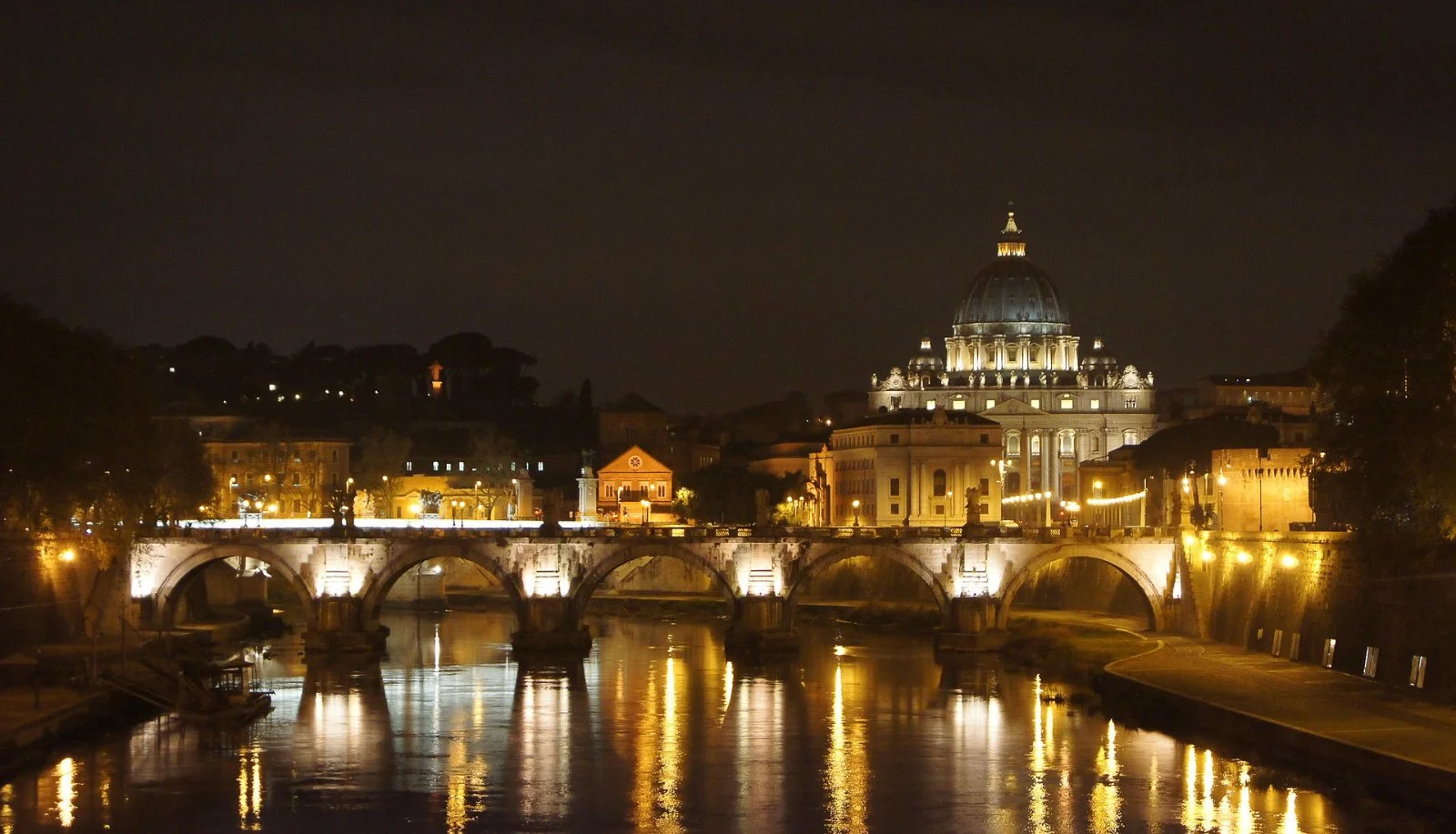
Seeing this exhibition in Rome, inside the historic setting of the Capitoline Museums, creates a powerful contrast: ancient Rome meets modern Mexico.
Experience as an Artlover
Go with time. This is not a quick “one masterpiece” exhibition: with more than 140 works and a strong historical narrative, it is likely to feel dense and rewarding. Plan around 75–90 minutes if you want to follow the story properly; around 45–60 minutes if you focus mainly on Rivera and the key artists.
Art travelers interested in modernism, Mexican muralism, political art, Frida Kahlo’s context, and exhibitions that connect art history with national identity.