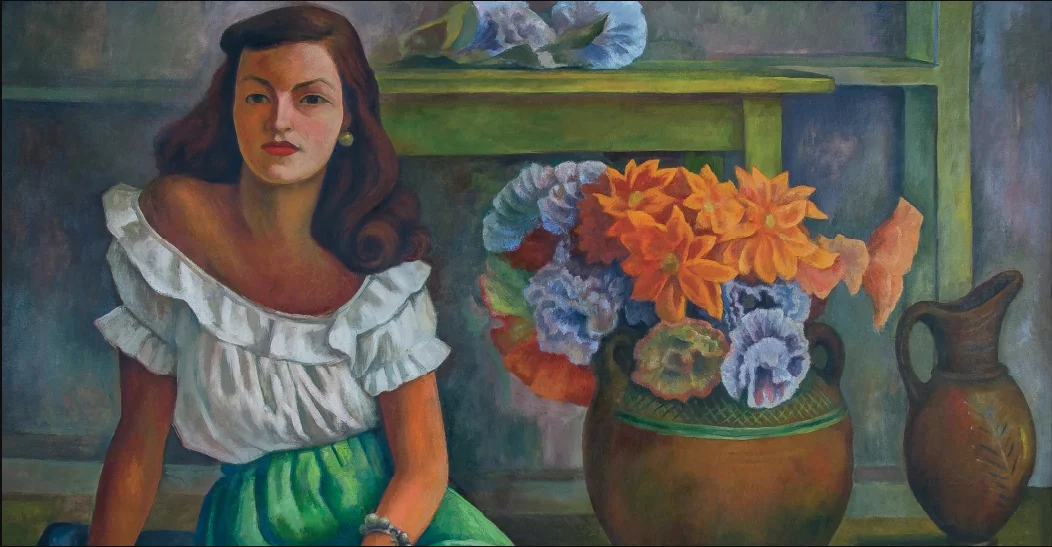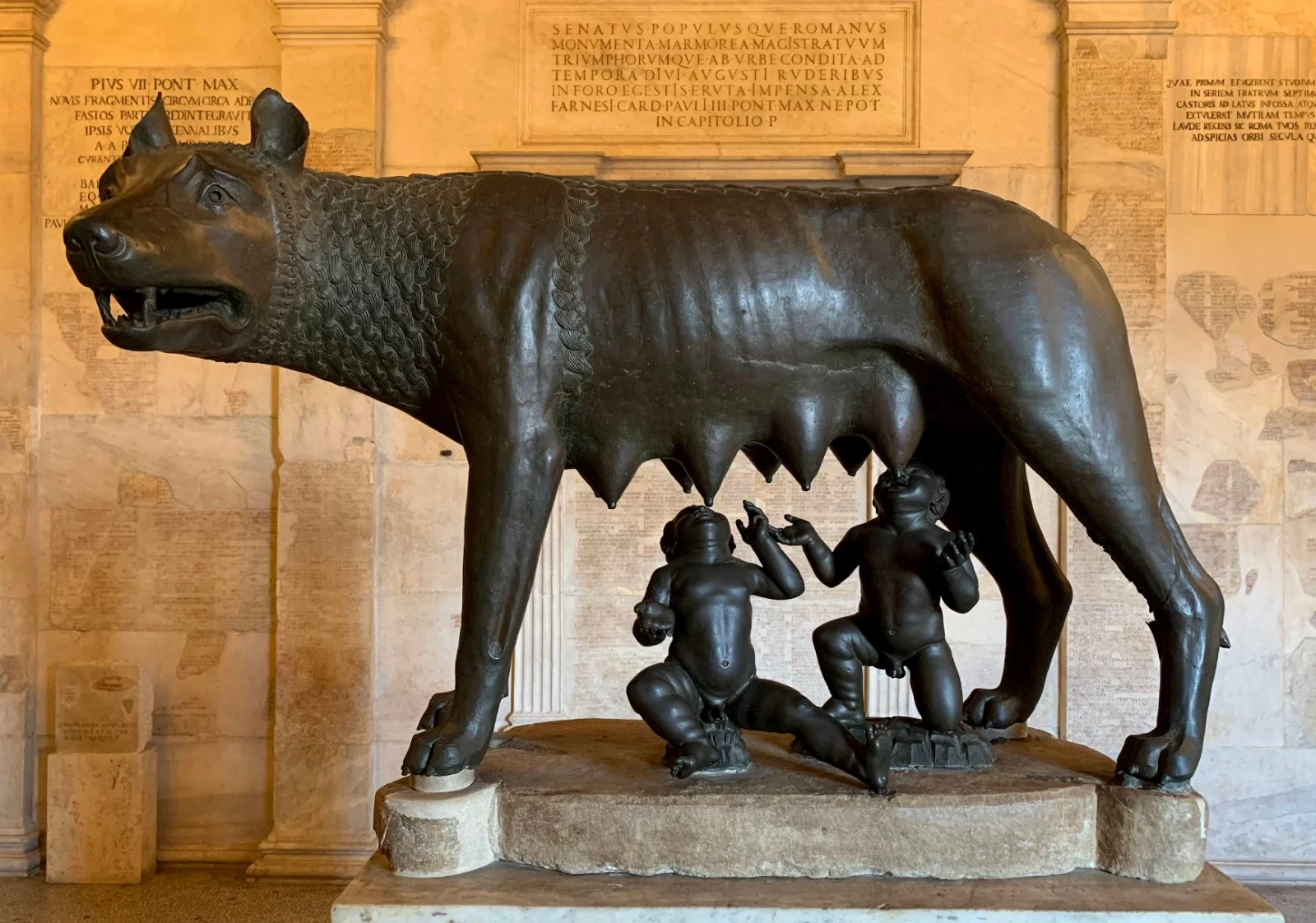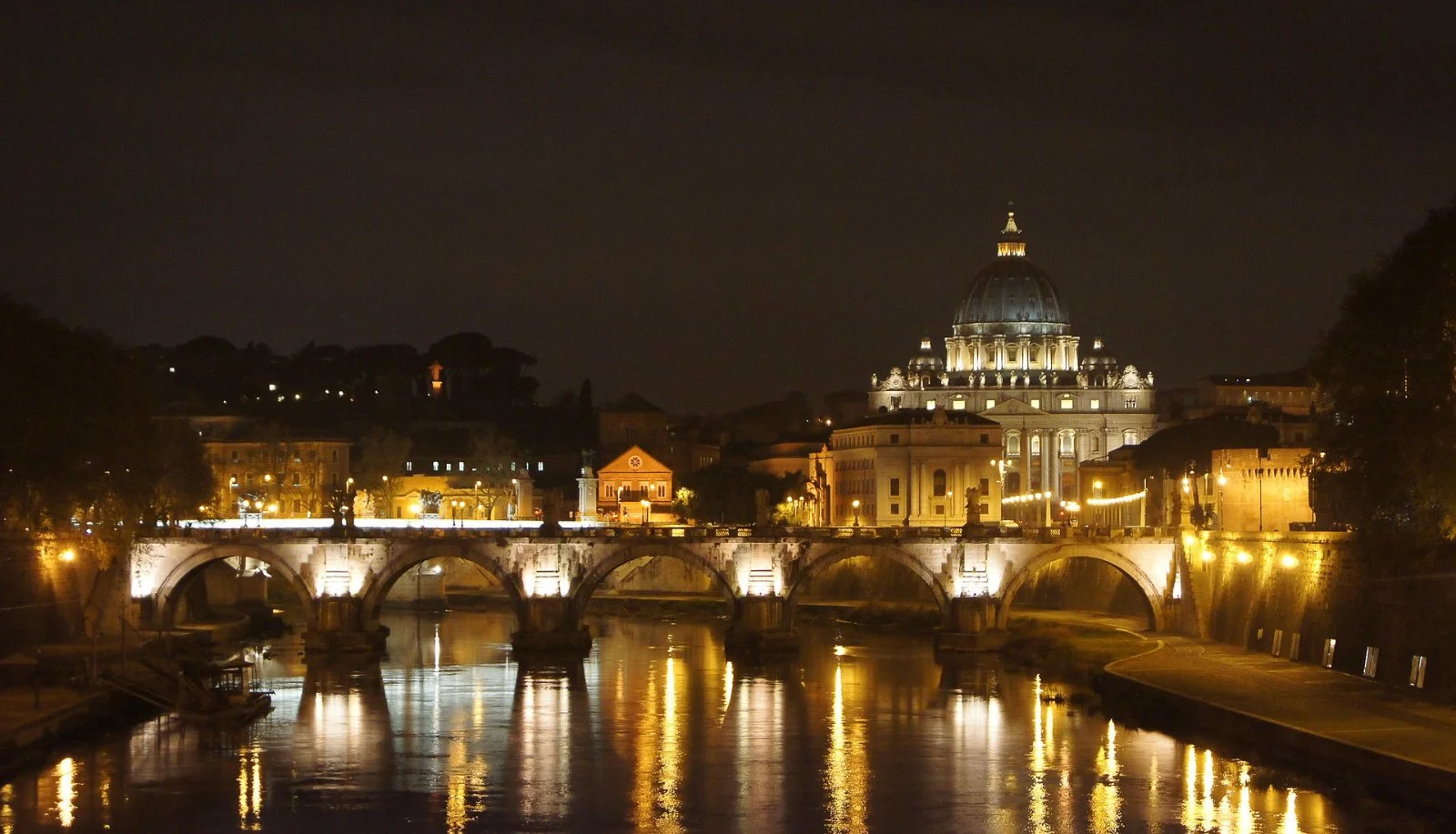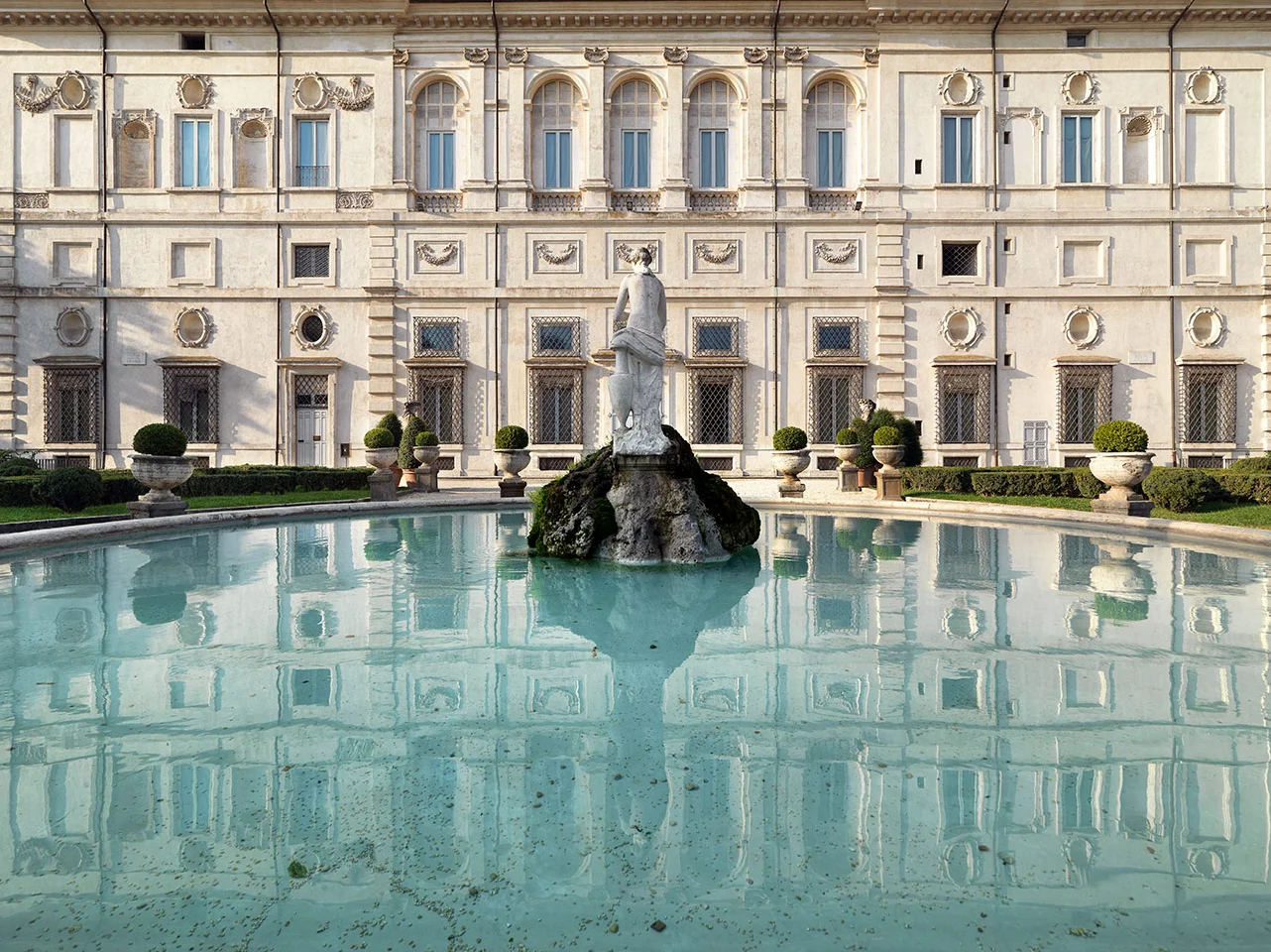
A villa where marble moves, desire becomes sculpture, and Baroque Rome feels dangerously alive. Galleria Borghese is one of the most intense art experiences in Rome — small enough to feel intimate, powerful enough to stay with you for years.
This is where you go to see Bernini at full emotional power. Apollo and Daphne, The Rape of Proserpina, and David are not just sculptures — they feel like frozen cinema, bodies caught at the exact second of transformation, violence, tension, or escape.
You’ll also encounter:
- Caravaggio’s dark psychological drama
- Canova’s Pauline Bonaparte as Venus Victrix
- Renaissance and Baroque painting
- Mythological, religious, and sensual imagery
- A villa where architecture, decoration, and artworks work as one experience

About the venue
About
Set inside Villa Borghese Pinciana, the former 17th-century villa of Cardinal Scipione Borghese, Galleria Borghese holds one of Rome’s most extraordinary collections of painting and sculpture. It is especially famous for masterpieces by Bernini, Caravaggio, Canova, Raphael, Titian, Rubens, and other giants of Italian and European art.
Unlike the Vatican Museums or the Louvre, this is not an endless museum. It is concentrated, theatrical, and almost overwhelming in the best way. Every room feels staged: frescoed ceilings, ancient mosaics, mythological bodies, religious drama, and sculptures that seem to breathe.
Worth the trip
Galleria Borghese is one of the strongest reasons to travel to Rome for art.
What makes it special is intensity. In just two hours, you can experience the full emotional range of Baroque art: ecstasy, violence, beauty, sensuality, faith, power, and theatrical illusion.
For Artlovers, this is not just a museum visit. It is a lesson in how art can make stone feel alive — and how Rome turns beauty into drama.
© Galleria Borghese