Cuban revolutionary imagery becomes visual archaeology: drawings, reliefs and video examine how political symbols age, survive and lose their certainty.

Look at the works as remnants of belief systems, not only as images. Castillo is less interested in nostalgia than in how heroic visual languages become unstable over time.
A strong Menorca gallery stop for visitors interested in Latin American contemporary art: intelligent, political and visually precise without losing its handmade intensity.
Inside the exhibition
Marco A. Castillo. Héroes Arcaicos is on view at Albarrán Bourdais Menorca in Maó, Menorca, Spain, until 3 October 2026. The exhibition presents the Cuban artist’s recent work around revolutionary imagery, political symbols and the visual culture that helped shape modern Cuban identity.
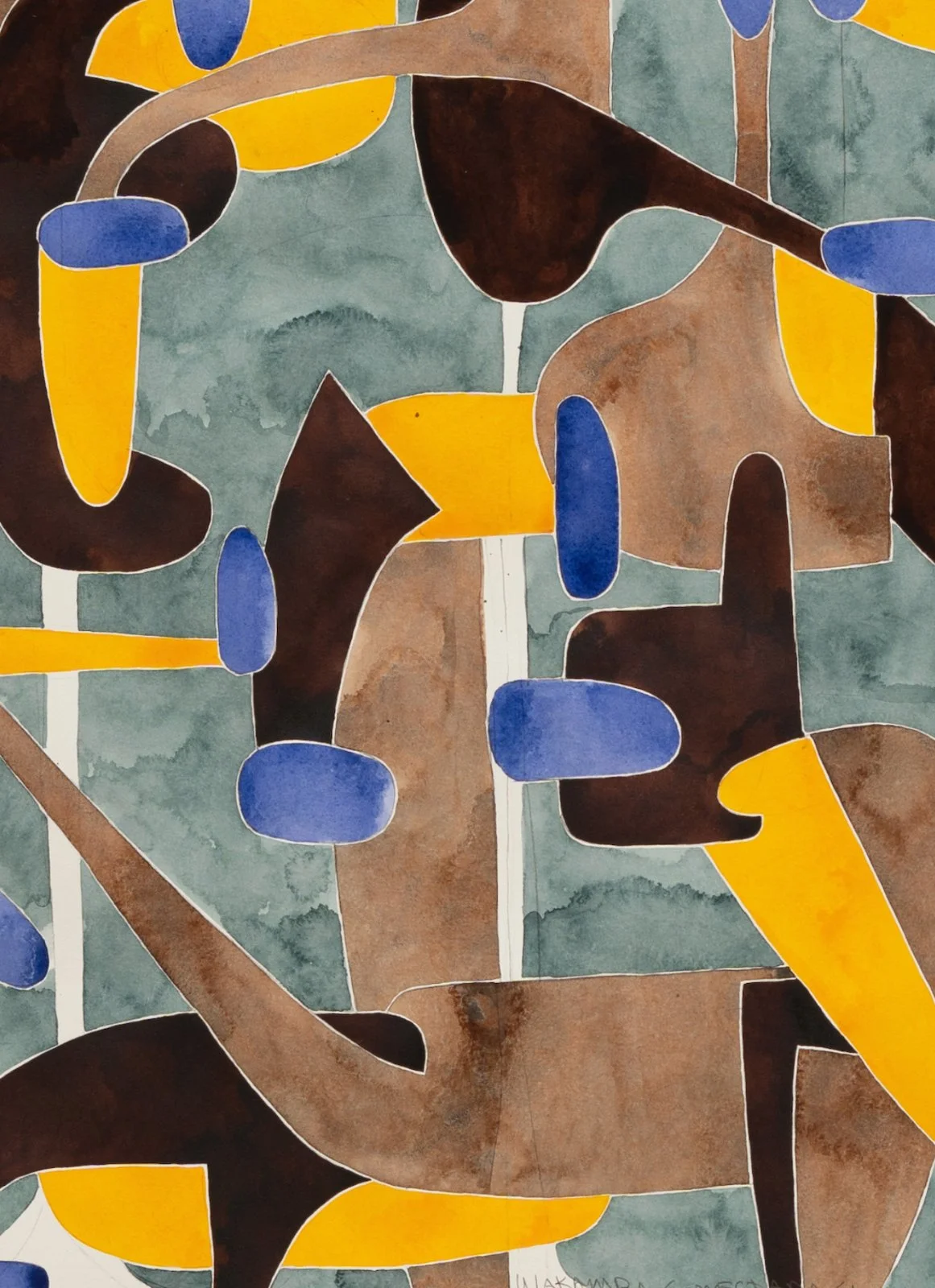
The show gives special weight to drawing, a medium that has become increasingly central to Castillo’s practice. It includes the series A los Héroes, where the artist reworks the tradition of revolutionary heroic portraiture through references to Cuban pop artist Raúl Martínez. Alongside these works, the exhibition presents drawings and bas-reliefs from Petaloides and Wakamba, which connect pre-Columbian, Indigenous, Paleolithic and Afro-Cuban references with the construction of Latin American national identities.
What makes Héroes Arcaicos distinctive is its shift from propaganda to archaeology. Castillo removes the certainty of political messages and leaves behind forms, echoes and materials. At Albarrán Bourdais Menorca, the exhibition feels like a sharp summer counterpoint: not decorative island art, but a dense reflection on utopia, failure and the afterlife of symbols.