At a glance
Two generations of Japanese photography bridge postwar scars and immigrant dreams in a quiet, light-filled London sanctuary.
Key Movements
Medium

Artlovers Tip
Look closely at the details in Iwane's A New River series; the figures hidden among the blossoms are characters from Japanese folk traditions, appearing like ghosts in the Tohoku night.
Inside the exhibition
Meet the artist
Description
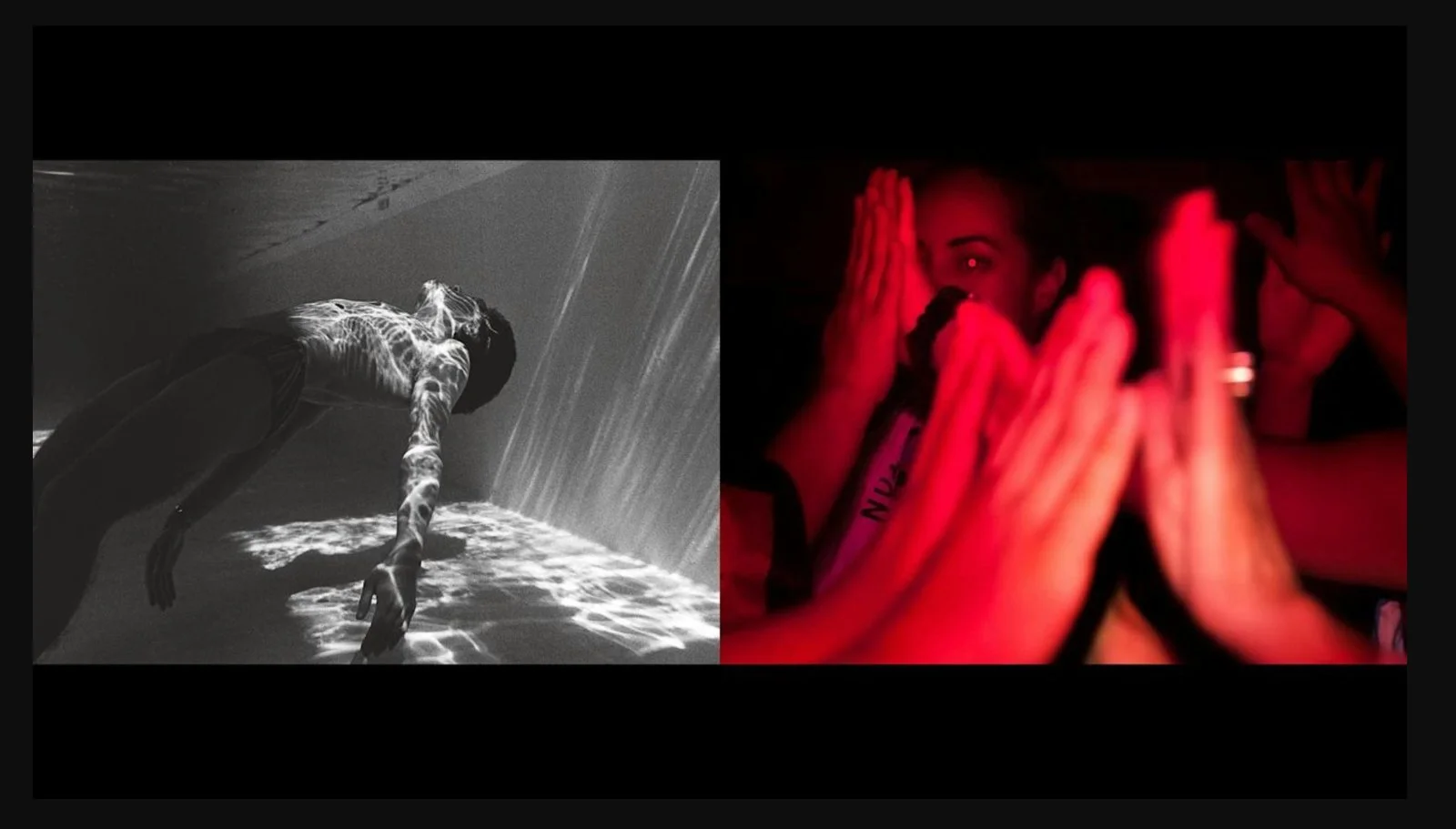
This dialogue between nonagenarian Kawada Kikuji and the contemporary lens of Iwane Ai marks a significant moment for Japanese photography in the UK. Kawada’s career spans eight decades, moving from the heavy, symbolic shadows of his 1965 masterpiece Chizu (The Map) to the digital immediacy of his recent work. Opposite him, Iwane Ai documents the cultural survival of Japanese immigrants in Hawaii and the spectral beauty of cherry blossoms in the Tohoku region, captured during the stillness of the global pandemic.
You're watching monochrome prints of architectural stains and celestial movements give way to the vibrant, eerie glow of nocturnal landscapes. The space balances the weight of history—represented by the physical scars of postwar Japan—with the ephemeral light of folk traditions and the haunting silence of deserted towns. It is an exercise in seeing how time and memory can be etched onto both the land and the photographic plate.
Worth travelling for?
- Generational Synergy: Witness the rare pairing of a legendary postwar innovator with one of Japan's most vital contemporary voices.
- Historic Debut: This marks the first dedicated photography exhibition at Japan House London, curated in partnership with the prestigious Kyotographie festival.
- The Map's Legacy: See physical excerpts from Kawada’s Chizu, a work that redefined the photobook and remains a haunting meditation on national trauma.
Experience as an Artlover
Move slowly between Kawada’s celestial series and Iwane’s night-lit blossoms to appreciate the differing ways both artists handle light in the dark. After leaving the sleek, minimalist atmosphere of Japan House, walk a few blocks north to Kensington Gardens. The open sky and shifting London light provide a perfect palate cleanser to the intense, focused imagery of the gallery.
Kyotographie: Kawada Kikuji x Iwane Ai
Artlovers relevance
Plan your visit
Japan House London
London, United Kingdom