At a glance
A comparative look at French and German Impressionism that explores how light and brushwork evolved differently on either side of the Rhine.
Why go
You'll see
Pace of visit
Don't miss

Artlovers Tip
Use the museum’s app to access short video clips that pair specific German and French works, offering deeper insight into their technical similarities.
Look at the pairs, not just the masterpieces. Stand between a French and German painting of a similar subject and compare light, brushwork, colour and atmosphere.
Artlovers relevance
Inside the exhibition
Meet the artist
Key Movements
Medium
Description
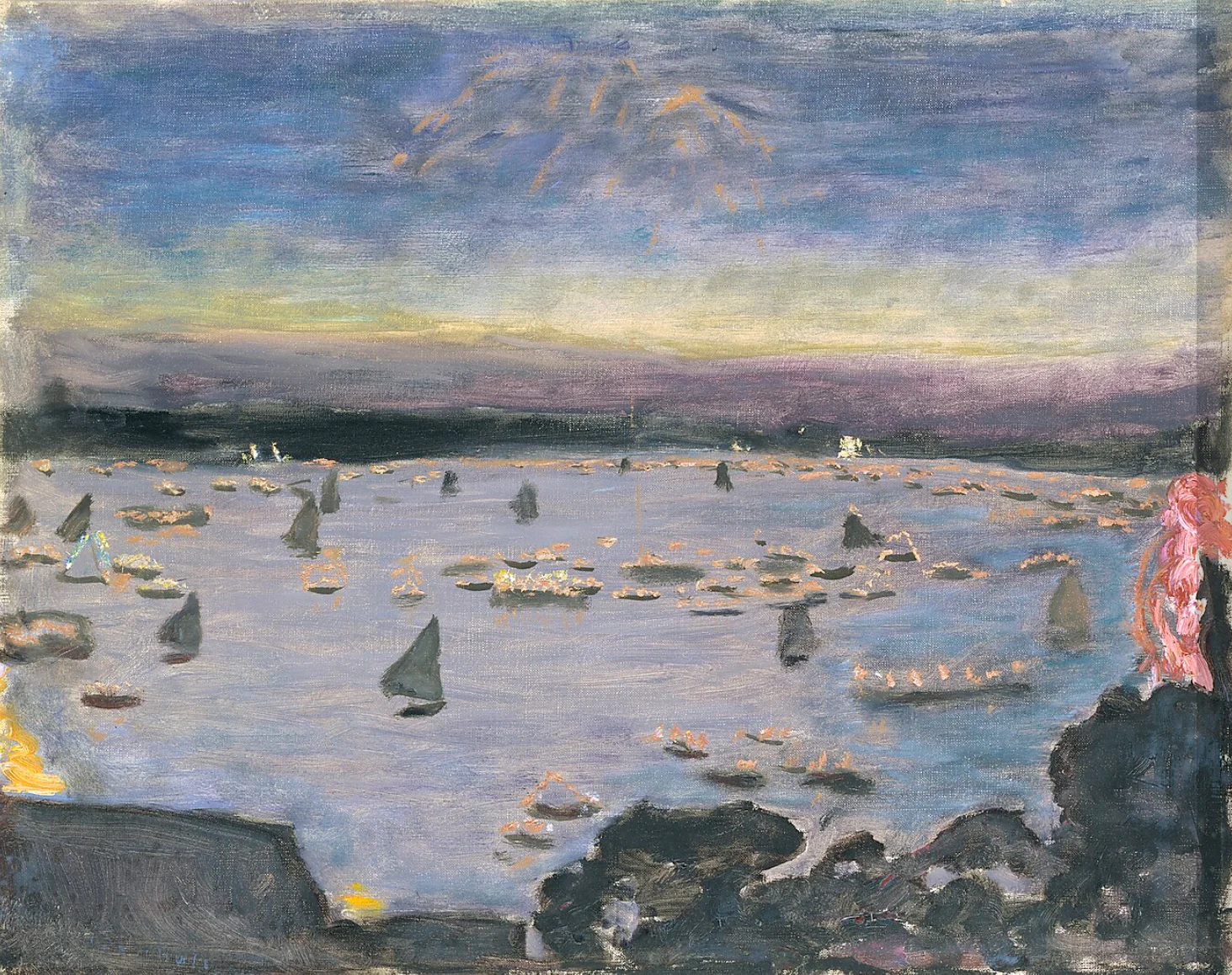
Franco-German Encounters starts from a simple but useful question: does it still make sense to describe Impressionism mainly as a French movement? Rather than organising the works by nationality, the Hamburger Kunsthalle places French and German artists together around themes such as portrait, landscape, staged figure, city and leisure, still life and pastel. The result makes influence visible through actual visual comparison instead of treating art history as a sequence of separate national schools.
The French artists established many of the movement’s defining ideas: modern urban life, changing light, outdoor painting and freer handling of colour. German painters absorbed those innovations but adapted them to different landscapes, social settings and artistic traditions. The exhibition also broadens the familiar canon through artists such as Alma del Banco, Paul Baum, Ivo Hauptmann, Maximilien Luce and Henri Martin.
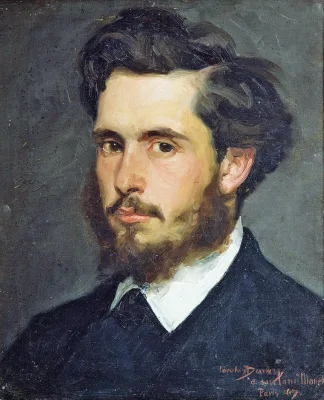
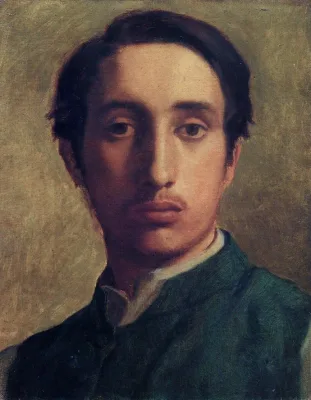
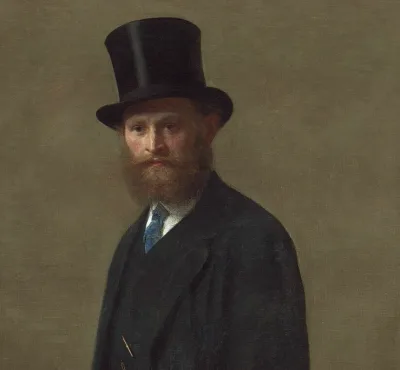
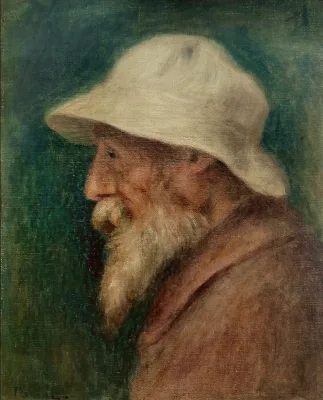
Claude Monet, Édouard Manet and Auguste Renoir helped establish Impressionism in France, while Max Liebermann, Lovis Corinth and Max Slevogt became the figures often described as the “triumvirate of German Impressionism.” Their encounter here shows that modern art developed through exchange and adaptation far more than tidy national labels suggest.
Worth travelling for?
A thoughtfully curated look at the nuances of European Impressionism, perfect for those who want to see familiar French masterpieces in a fresh, comparative light.
Experience as an Artlover
Start in the Lichtwark Gallery on the upper floor; the thematic arrangement allows for easy back-and-forth comparison between French and German approaches to the same subjects.
Impressionism - Franco-German Encounters
Hours & rating from Google