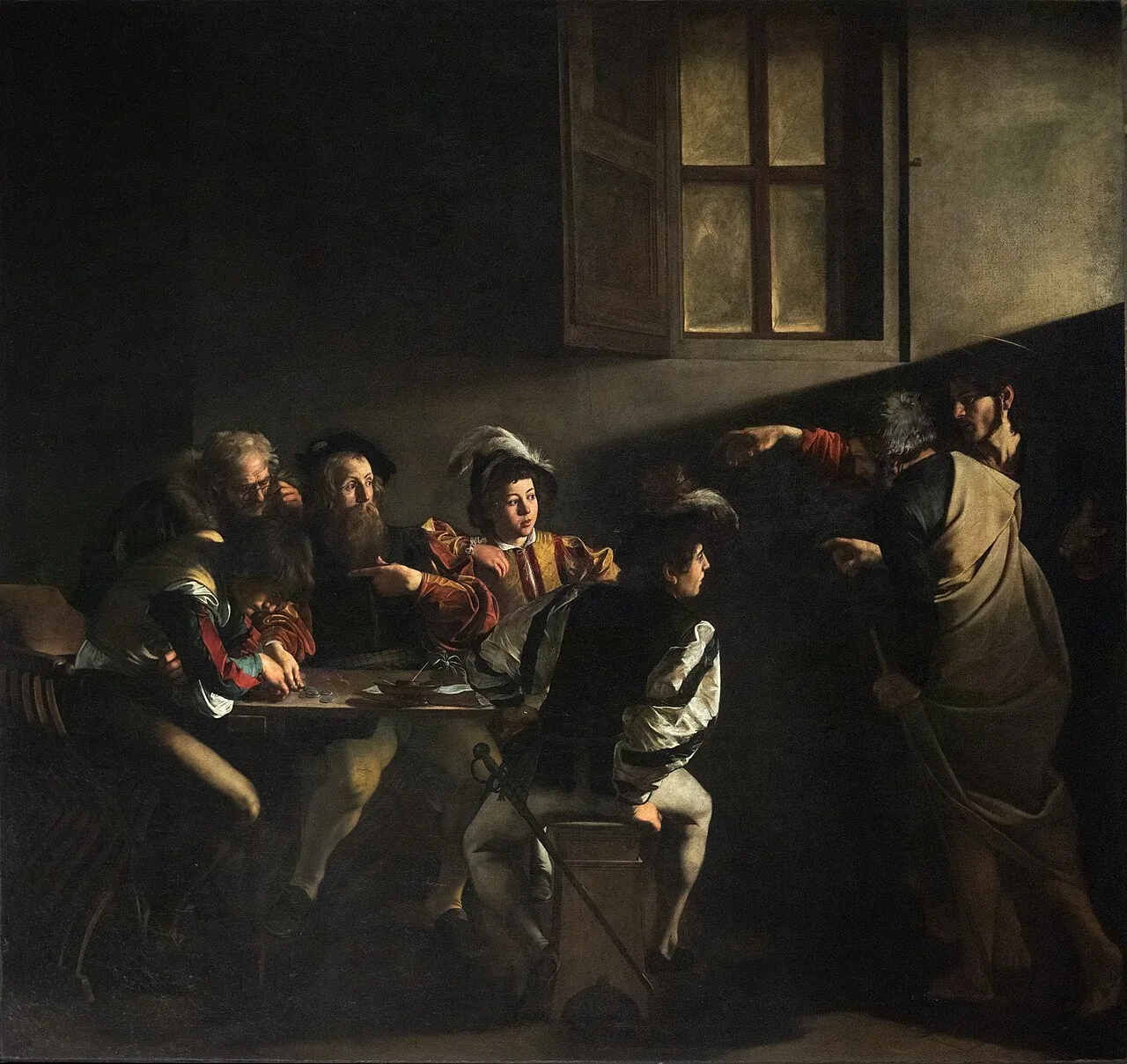
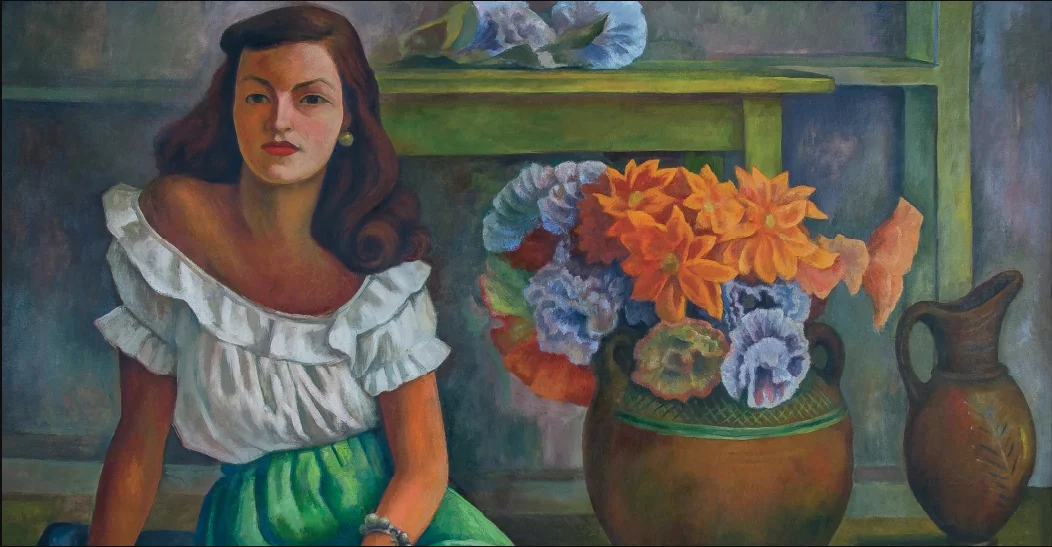
Diego Rivera and the Construction of Modern Art in Mexico in the 20th Century
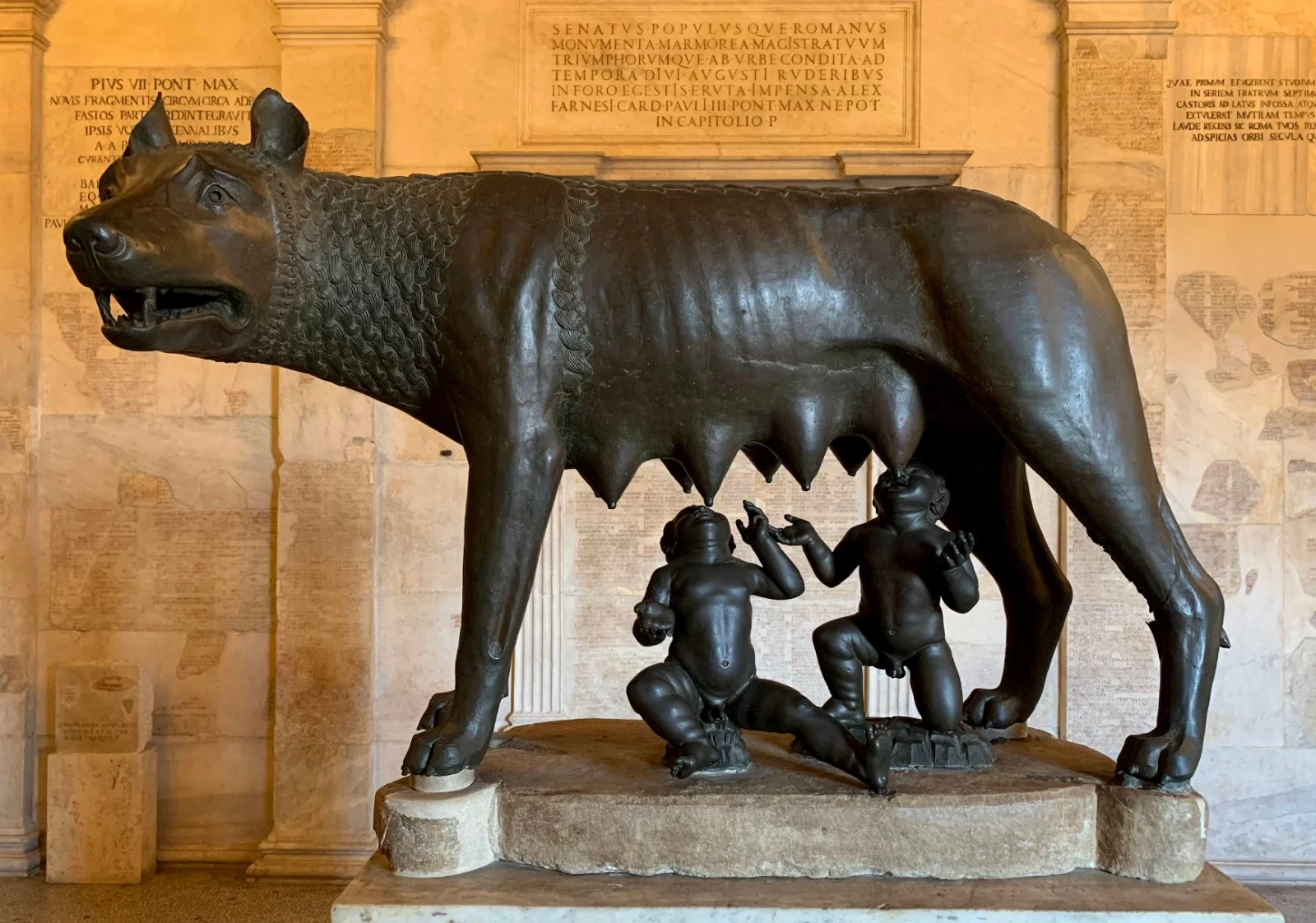
Musei Capitolini
Mexican Muralism
Rome is an art destination in Italy with 9+ museums and galleries — including Musei Capitolini, Galleria Borghese and PM23 Fondazione Valentino Garavani e Giancarlo Giammetti — and 1 exhibitions currently on view.
Rome is a city where art is not something you visit — it is the ground, the walls, the churches, the ruins, the fountains and the light around you.
Do not try to “complete” Rome. Choose one big anchor per day — Vatican, Borghese, Ancient Rome, Baroque churches, MAXXI — and let the rest of the city happen around it.
What makes it a destination for art lovers
Rome is worth the trip because it is one of the most complete art cities in the world: ancient sculpture, Renaissance frescoes, Baroque drama, papal collections, archaeological ruins, churches filled with masterpieces, and a contemporary scene that is stronger than many travelers expect.
You come for the Vatican Museums, the Sistine Chapel, Galleria Borghese, Caravaggio, Bernini, Raphael, Michelangelo, the Colosseum, the Roman Forum and the churches where art still lives in its original spiritual setting. The Vatican Museums conserve the immense art collection assembled by the popes from the 17th century onwards.
But Rome is not only the past. MAXXI — Museo nazionale delle arti del XXI secolo is the city’s major contemporary art and architecture museum, while the Quadriennale di Roma remains one of Italy’s key platforms for contemporary Italian art.
Worth the trip if you love:
Ancient art · Renaissance frescoes · Baroque sculpture · Caravaggio · Bernini · Michelangelo · Raphael · churches · architecture · contemporary art · the Grand Tour feeling.
Art in Rome
Rome is one of the places where Western art history becomes physical. You do not only see the past here; you walk through it. Ancient columns, imperial ruins, Renaissance chapels, Baroque fountains, papal palaces and contemporary museums all exist inside the same urban body.
For many art travelers, the first great encounter is the Vatican Museums and the Sistine Chapel, where art, power, religion and ambition become almost overwhelming. The Vatican Museums are built around the papal collections and remain one of the world’s essential museum experiences. From there, Rome opens into churches and chapels where masterpieces are still embedded in their original context: Caravaggio in San Luigi dei Francesi, Bernini in Santa Maria della Vittoria, Raphael and Michelangelo in the Vatican, Borromini and Bernini shaping the city itself.
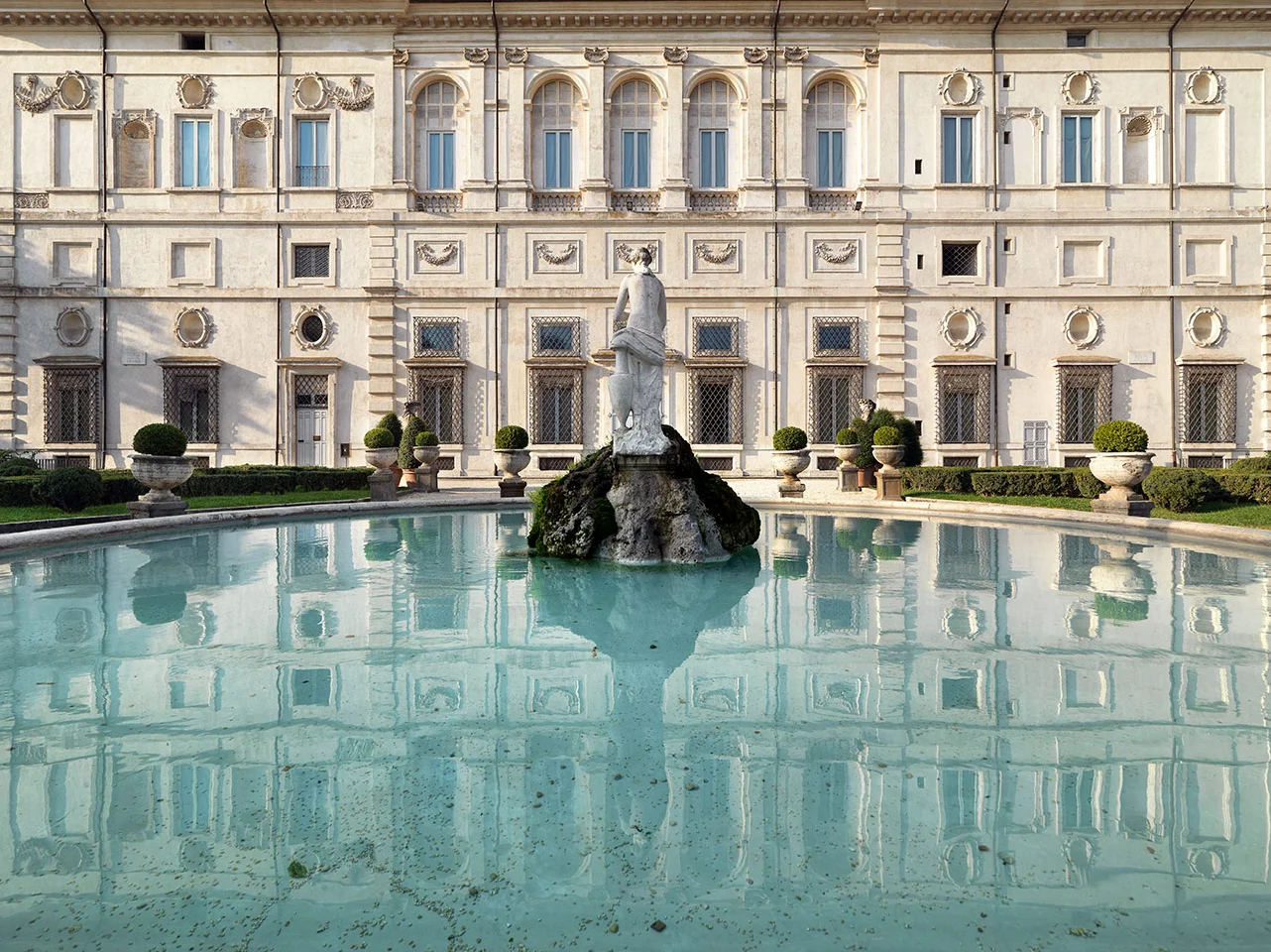
The Galleria Borghese offers a more intimate but unforgettable experience. Its official site highlights major exhibition programming around Ovid and the arts, but its permanent importance lies in the extraordinary encounter between sculpture, painting, architecture and aristocratic collecting. This is where Bernini’s marble seems to move, where Caravaggio’s realism feels dangerously alive, and where Rome’s Baroque imagination becomes personal.
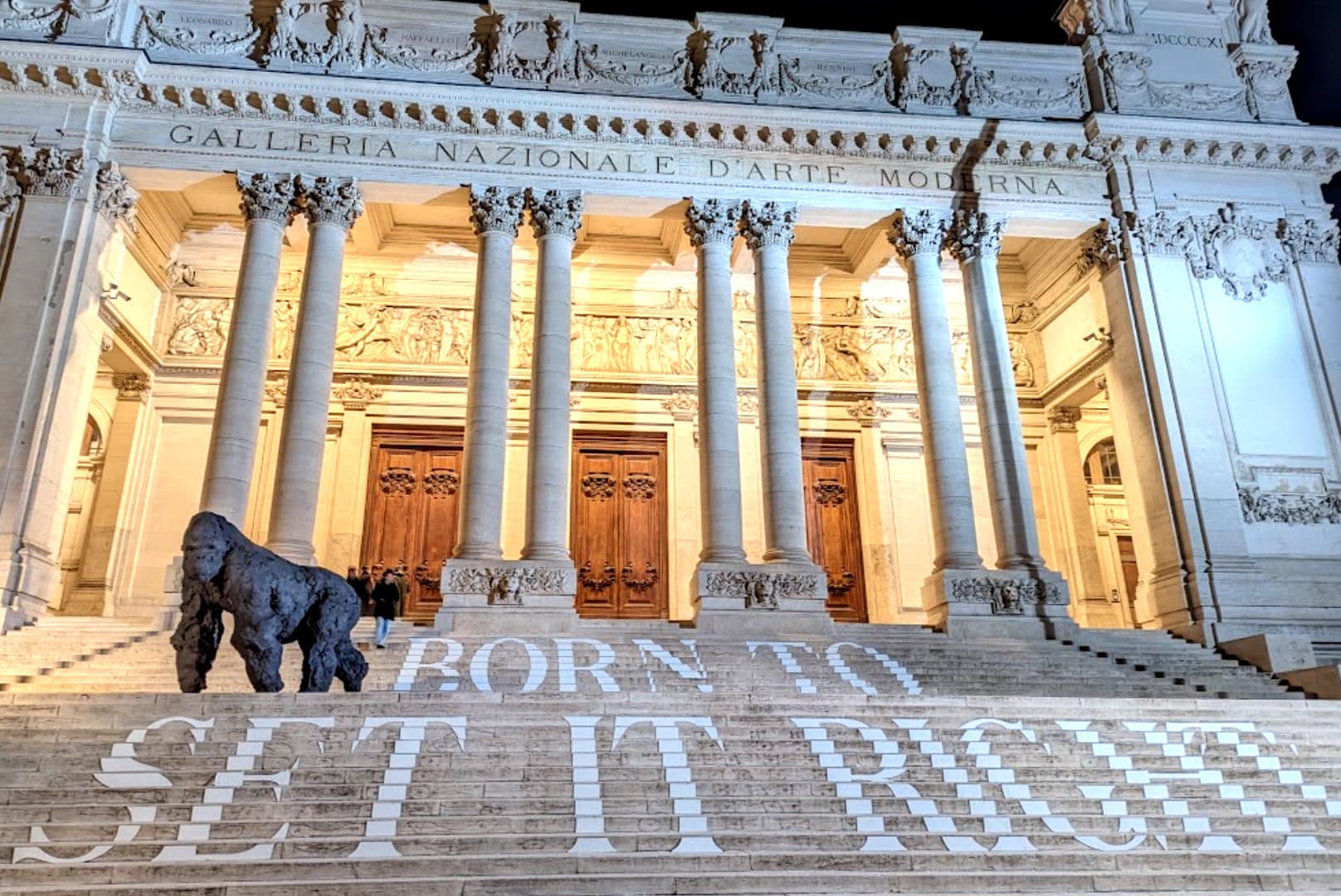
Rome’s historical depth continues through the Capitoline Museums, the National Roman Museum, the Palazzo Barberini, Galleria Corsini and countless churches. But the city also has a contemporary layer that deserves attention. MAXXI, designed by Zaha Hadid, defines itself through its art and architecture collections and gives Rome a 21st-century cultural anchor. The city also has MACRO, the Galleria Nazionale d’Arte Moderna e Contemporanea, artist spaces, contemporary galleries and a more experimental scene around San Lorenzo, Trastevere and other neighborhoods.
Rome is not an easy city. It is dense, excessive, beautiful, chaotic and sometimes exhausting. But for art travelers, that excess is part of the meaning. Rome does not separate art from life. Art appears in a chapel, a piazza, a fountain, a museum, a ruin, a palace, a filmic street, a fragment of marble reused in a wall.
This is not a city for checking boxes. Rome is a city for surrendering to layers.
Keep exploring
Art Districts