Paintings so immersive they feel less like landscapes and more like entering a state of mind.
Dates
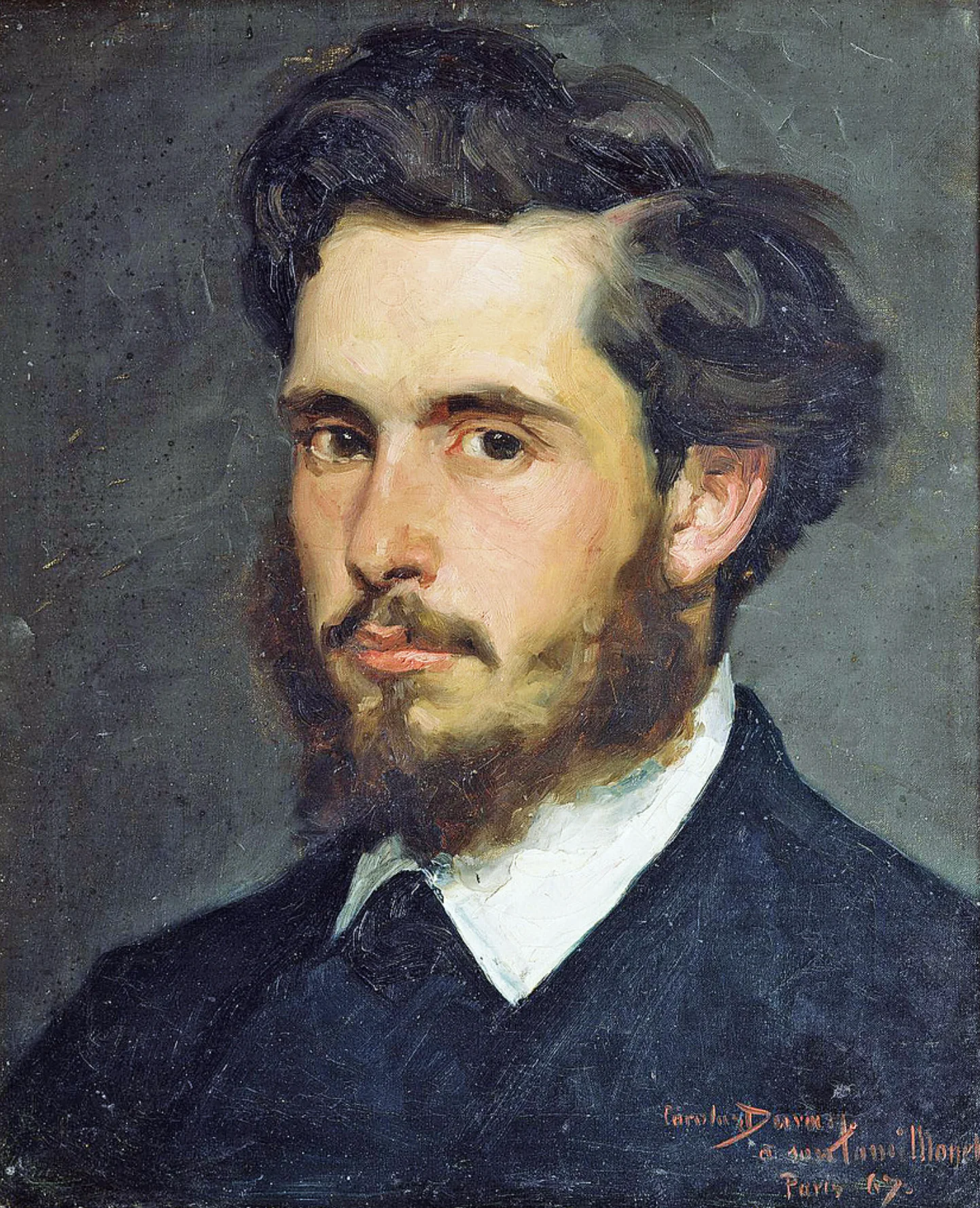
Meet the artist
More details
- Original title
- Nymphéas
- Movement
- Impressionism
- Medium
- Oil Painting
- Genre
- Landscape
- Dimensions
- ? × 91 meters
The story behind it
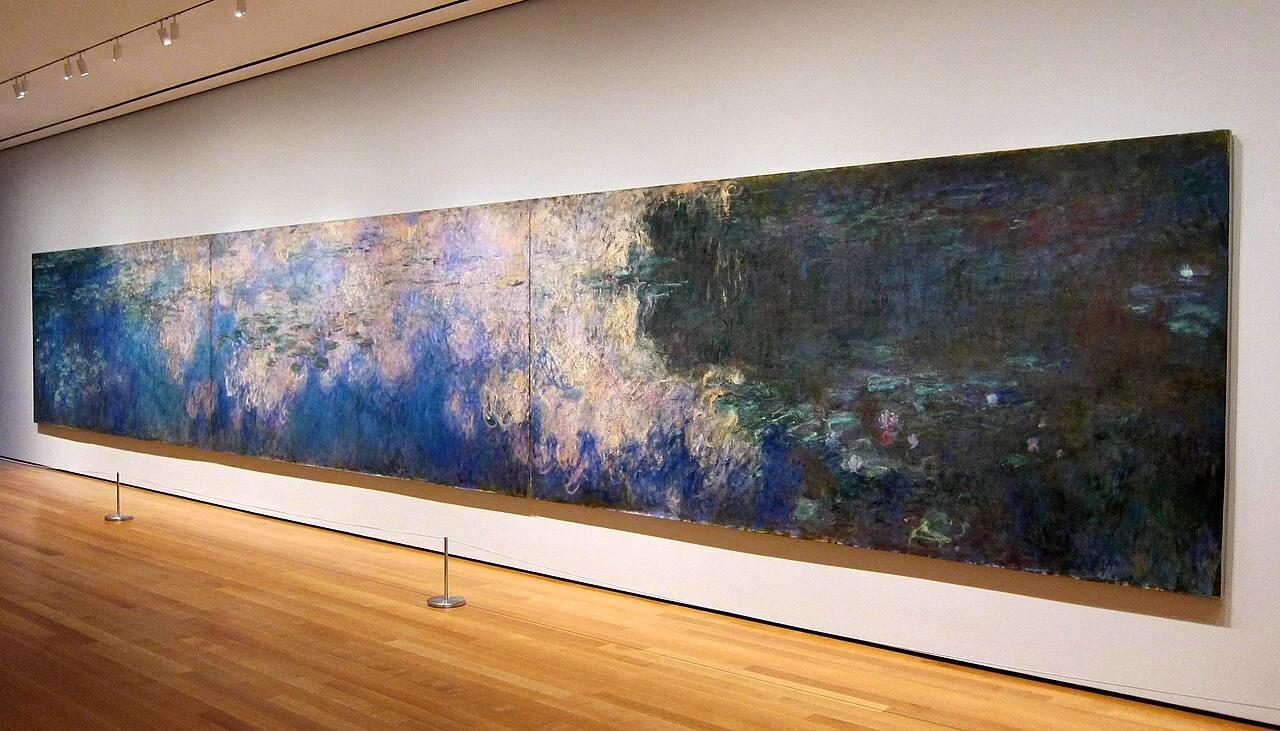
Dive into the serene world of Claude Monet's "Water Lilies," a captivating series of approximately 250 oil paintings that formed the core of his artistic output for the last 31 years of his life. These aren't just pictures of pretty flowers; they're intimate explorations of Monet's own garden at Giverny, a sanctuary he meticulously cultivated. Think of them as visual diaries, reflecting the changing light, seasons, and the artist's own evolving perception, particularly poignant considering he painted many of these while battling cataracts. They represent the culmination of Monet's lifelong fascination with capturing fleeting moments and atmospheric effects.
The "Water Lilies" hold immense historical significance, not just within Monet's oeuvre, but in the broader context of Impressionism and Modern art. Monet's dedication to depicting the same subject under different conditions, a practice that started with earlier series like "Haystacks," reached its zenith here. The paintings moved beyond mere representation, becoming abstract meditations on color, light, and form. The eventual installation of eight large murals at the Musée de l'Orangerie in Paris cemented the series as a national treasure, demonstrating the state's recognition of Monet's contribution to French culture.
Monet's artistic techniques in the "Water Lilies" are a masterclass in Impressionism. He employed loose, gestural brushstrokes to capture the play of light on the water's surface and the delicate textures of the floating lilies.
Look closer
Monet designed the large Water Lilies panels (approximately 91 meters (300 ft) across two oval rooms.) as a complete environment rather than individual paintings. Installed after World War I, he described them as a “haven of peaceful meditation.”
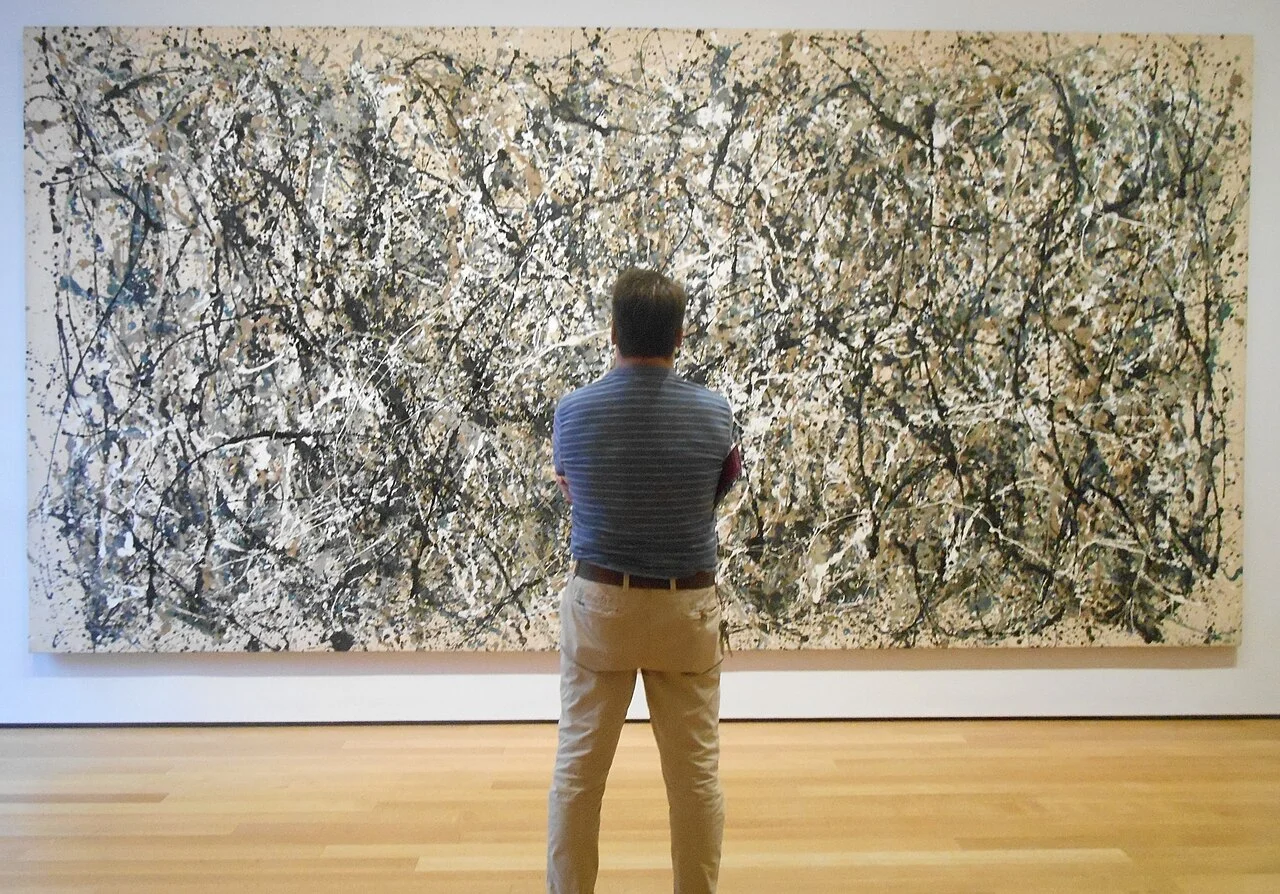
The works also anticipate Abstract Expressionism decades before artists like Rothko or Pollock transformed painting into immersive experience.
Worth the journey?
Yes — absolutely worth the trip.
This is one of the rare museum experiences that feels almost spiritual. The scale surrounds you, and the paintings change with time and attention. Reproductions flatten them completely — in person, the surfaces vibrate with color, movement, and silence.
See it like an Artlover
Don’t rush through the oval rooms. Sit down and let your eyes slowly adjust to the scale and softness of the paintings. The experience becomes more powerful after a few quiet minutes, when details begin to dissolve and the atmosphere takes over.
Artlovers Tip:
Visit early in the morning if possible, when the rooms feel calmer and more meditative. Instead of searching for focal points, allow yourself to drift visually across the surface — Monet wanted you to experience the paintings almost like floating on water itself.
Water Lilies
Hours & rating from Google