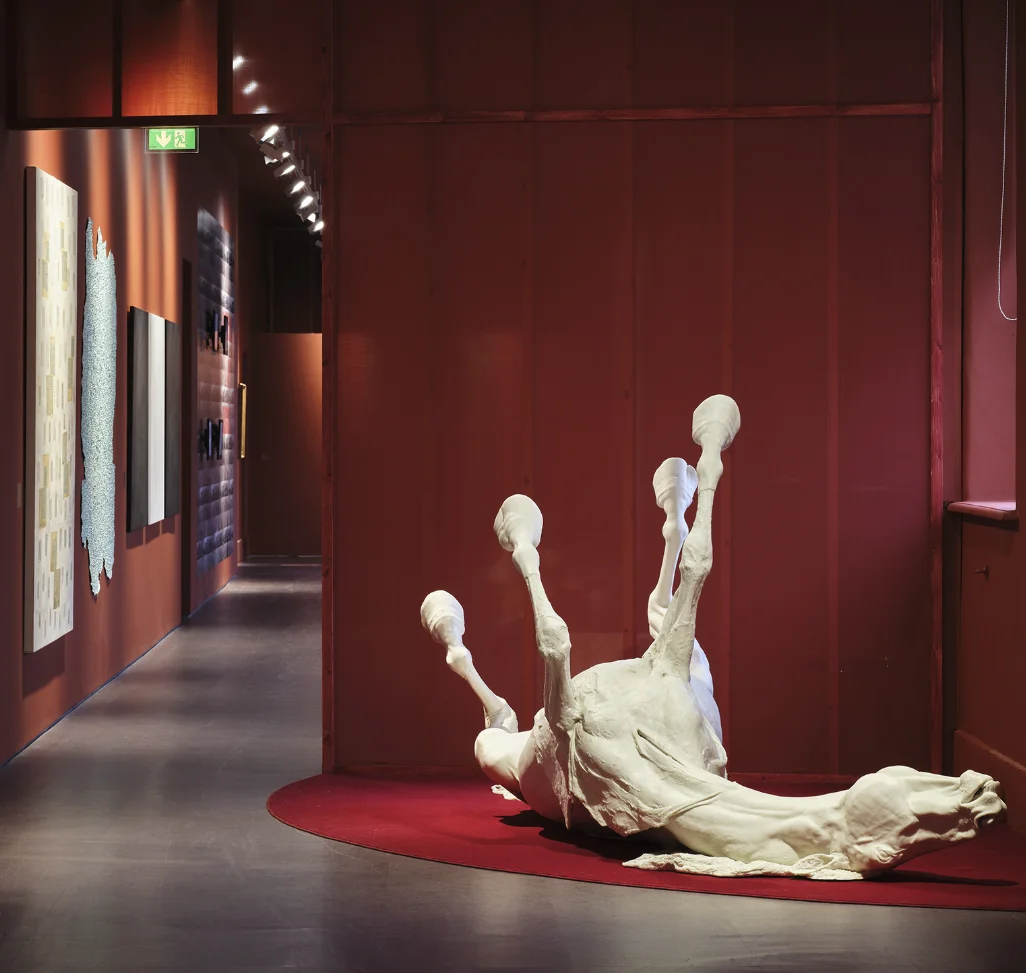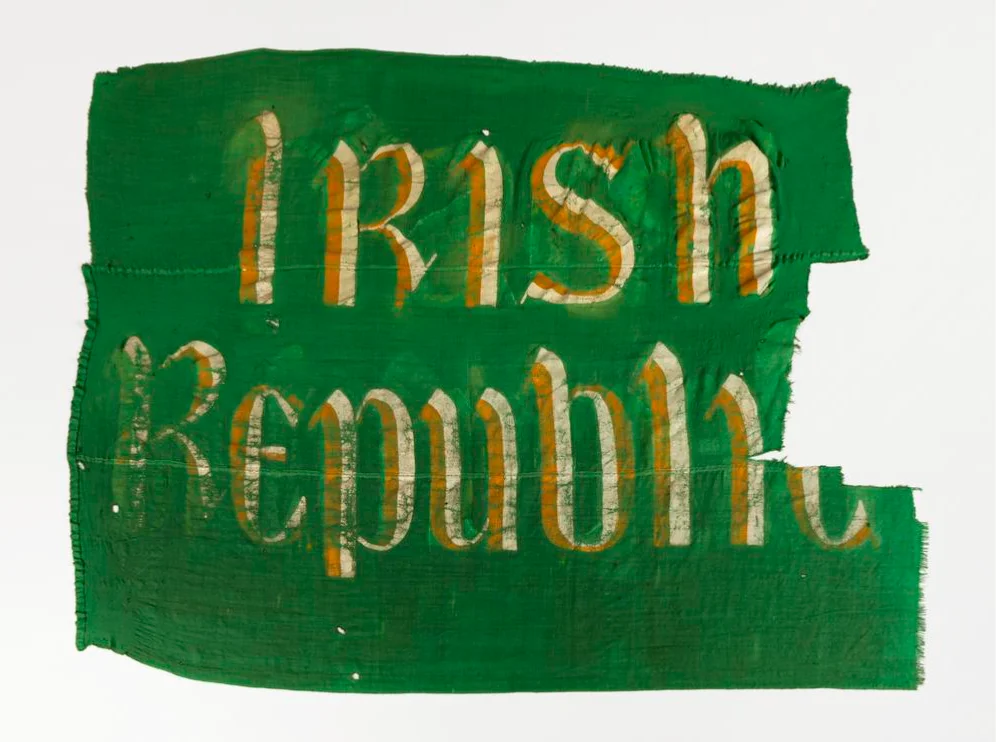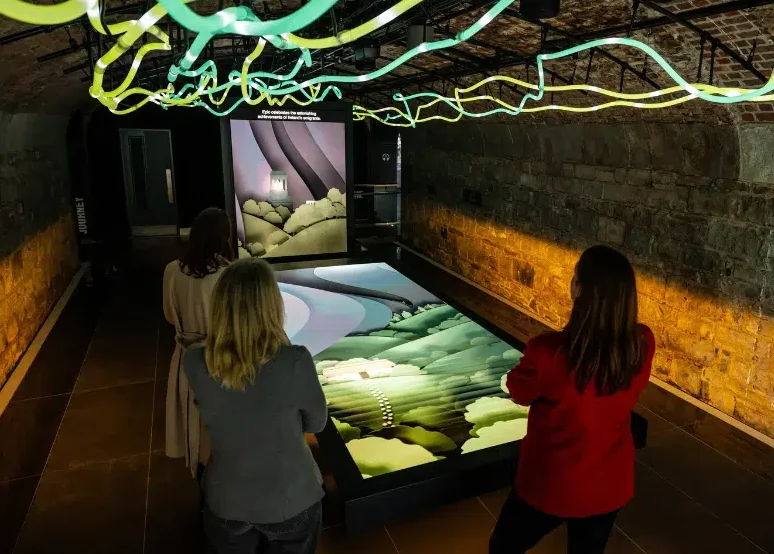
A threshold on St Stephen’s Green where the weight of Irish history gives way to the lightness of the spoken word. MoLI is a sensory map of Dublin’s literary soul, housed in a building that breathes as much as the books inside.
- Copy No. 1 of Ulysses: The holy grail of 20th-century literature, James Joyce's personal copy is displayed with a reverence that makes the ink feel fresh.
- Riverrun of Language: An immersive sound installation that captures the distinct music and cadence of Irish speech and writing.
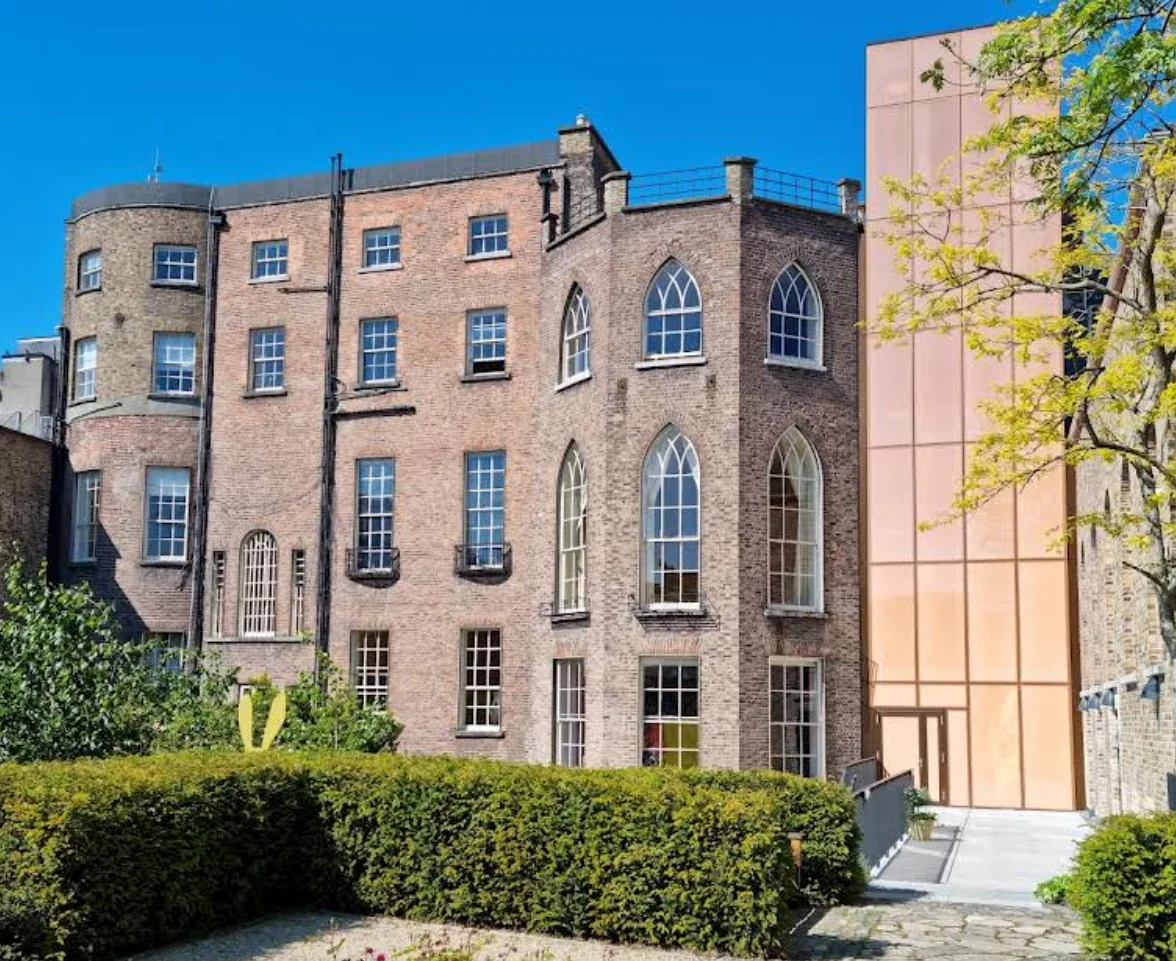
- The Historic Rooms: Walk through the restored 18th-century interiors of Newman House, where the architecture itself tells a story of Dublin's intellectual evolution.
- The Secret Garden: A tranquil escape that connects the museum directly to the Iveagh Gardens, perfect for reading under the shade of ancient trees.

Find the Commons Café in the basement; it serves excellent food, but the real secret is taking your coffee out to the benches in the courtyard that borders the Iveagh Gardens—the most peaceful reading nook in Dublin.
About the venue
More info
Housed within the ornate plasterwork of Newman House, MoLI bridges the gap between the 18th-century salon and the contemporary digital installation. The creak of original floorboards provides a rhythmic counterpoint to the recordings of poets’ voices that drift through the tall windows. It is a space that respects the silence of the page while celebrating the noise of the street, making the dense legacy of Irish letters feel immediate and accessible.
You're watching the sunlight track across the vaulted ceilings of the historic rooms, illuminating the very spot where James Joyce once sat as a student. There is a gentle tide of visitors moving from the hushed intensity of the archives to the wilder, green relief of the gardens behind the house, where birdsong replaces the city hum.
Worth the trip
- A Joycean Pilgrimage: It houses the definitive physical artifacts of James Joyce in the city that immortalized him.
- Architectural Synthesis: The seamless blend of a grand Georgian townhouse with high-tech, sensory storytelling is a masterclass in museum design.
- A Living Archive: Unlike static libraries, this is a place where literature is treated as a breathing, vocal medium rather than a closed book.
© Museum of Literature Ireland