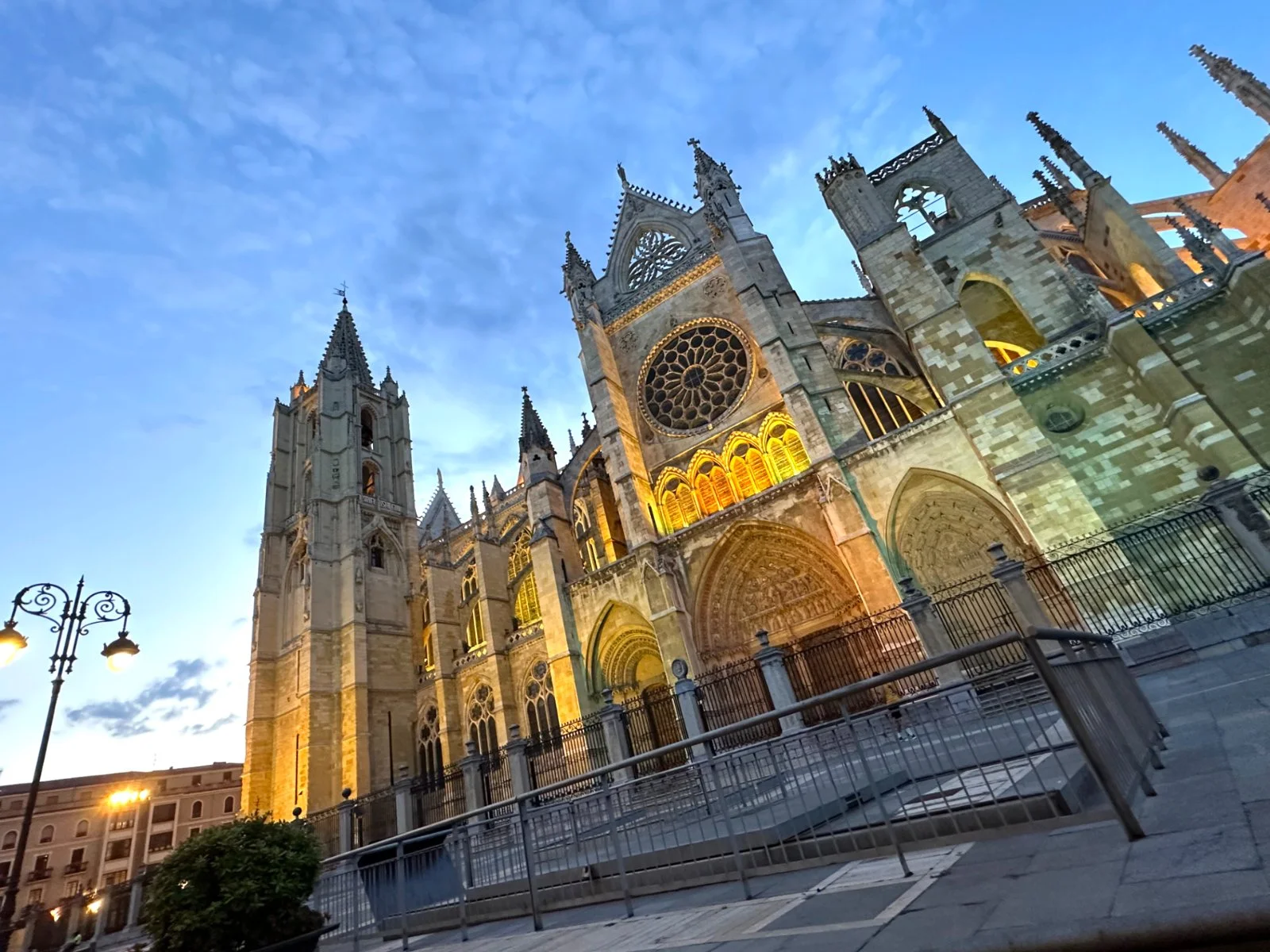
Thick stone walls hold the weight of kings. In León, this Romanesque fortress-basilica is a time capsule where gold and frescoed ceilings tell a thousand-year-old story of faith and power.
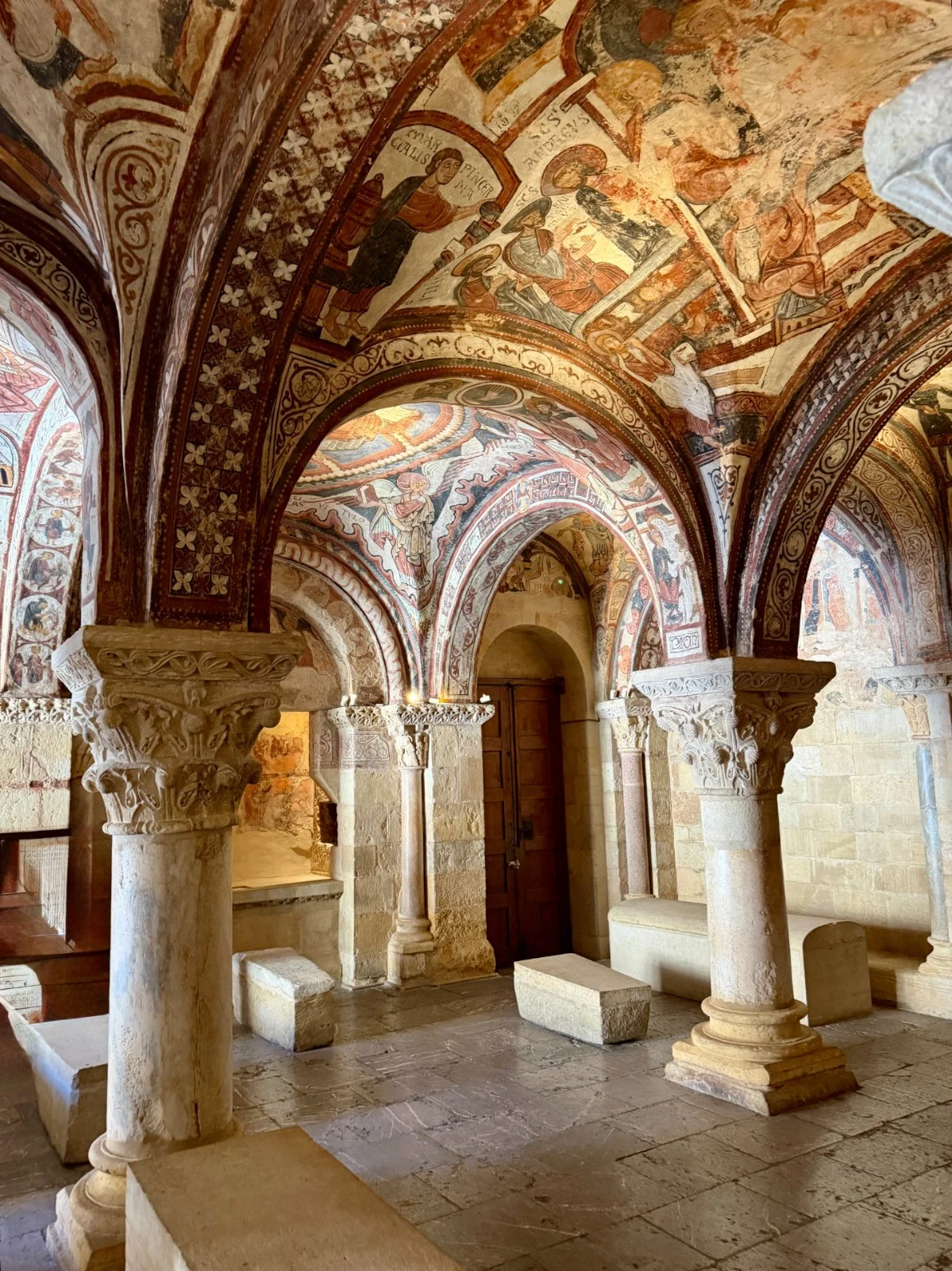
- The Royal Pantheon: Known as the Sistine Chapel of the Romanesque, these vaults feature 12th-century frescoes depicting biblical scenes and a famous agricultural calendar with startling clarity.
- The Chalice of Doña Urraca: A stunning 11th-century vessel made of onyx, gold, and precious stones, which some researchers identify as the legendary Holy Grail.
- The Library: A sanctuary of knowledge housing precious codices and incunabula, reflecting the collegiate church's history as a prominent intellectual hub.
- The Cloister: Walk through one of the oldest cloisters in Spain, where the play of light through the arches creates a contemplative atmosphere.

Visit during the last hour before the afternoon closing to experience the Royal Pantheon with fewer crowds; the way the low sun hits the exterior stone just as you exit creates a perfect golden moment.
About the venue
More info
The transition from the bright Castilian sun into the cool, limestone silence of the Real Colegiata de San Isidoro is a physical reset. Built over the ruins of a Roman temple, the architecture is a dense layering of history where sturdy Romanesque arches meet later Gothic and Renaissance flourishes. The air feels heavy with the scent of old stone and wax, grounding you in a space that has served as a royal pantheon and a center of learning for nearly a thousand years.
You're watching the soft glow of floor-level lights catch the uneven surfaces of the medieval masonry. Visitors move with a rhythmic quiet, their heads tilted back to trace the vibrant mineral pigments of the frescoes that have survived since the 12th century. There is a profound stillness here, where the echoes of footsteps in the cloister bridge the gap between the modern city of León outside and the sacred history within.
Worth the trip
- Romanesque Mastery: It houses the world's most significant and best-preserved cycle of Romanesque wall paintings.
- Royal Legacy: The site serves as the final resting place for dozens of Leonese monarchs, making it a cornerstone of Spanish history.
- Architectural Evolution: From Roman foundations to Baroque finishes, the building is a living textbook of European architectural styles.