At a glance
A legendary filmmaker’s lifelong dialogue with the still image, tracing Spain’s shadows and his own intimate visual diary.

Artlovers Tip
Look closely at the Saura Documental section for snapshots that capture the biting cold of rural Spain—the artist used to say he could still feel the temperature of those days through the lens.
Inside the exhibition
Meet the artist
Description
Carlos Saura is best known for the rhythmic movement of his films, yet his first and final devotion remained the still camera. This retrospective at El Palacín brings together 116 photographs that act as a parallel biography to his cinematic career. From the stark, frozen landscapes of autarkic Spain to the warm, hand-painted images of his later years, the exhibition reveals a creator who trusted the lens to hold his family's gaze and his country's history with equal tenderness. Admission is free for all visitors.
You're watching a transition from social document to private poetry. In the cool, spacious halls of the old sugar refinery, Saura's First Laboratory gives way to the Filmmaker Photographer section, where the scale of the prints makes you feel the cinematic weight of his compositions. You see the grain of poverty in the 1950s and the vibrant colors he added by hand in his final days, creating a rhythm that feels less like a gallery and more like a quiet conversation between the artist and his memory.
Worth travelling for?
- Cinematic blueprints: Discover the storyboard-like photographs and aesthetic analyses that shaped Saura's most iconic films.
- A private archive: View rare personal materials and a video documentary that provide a deep look into the artist's domestic world and family life.
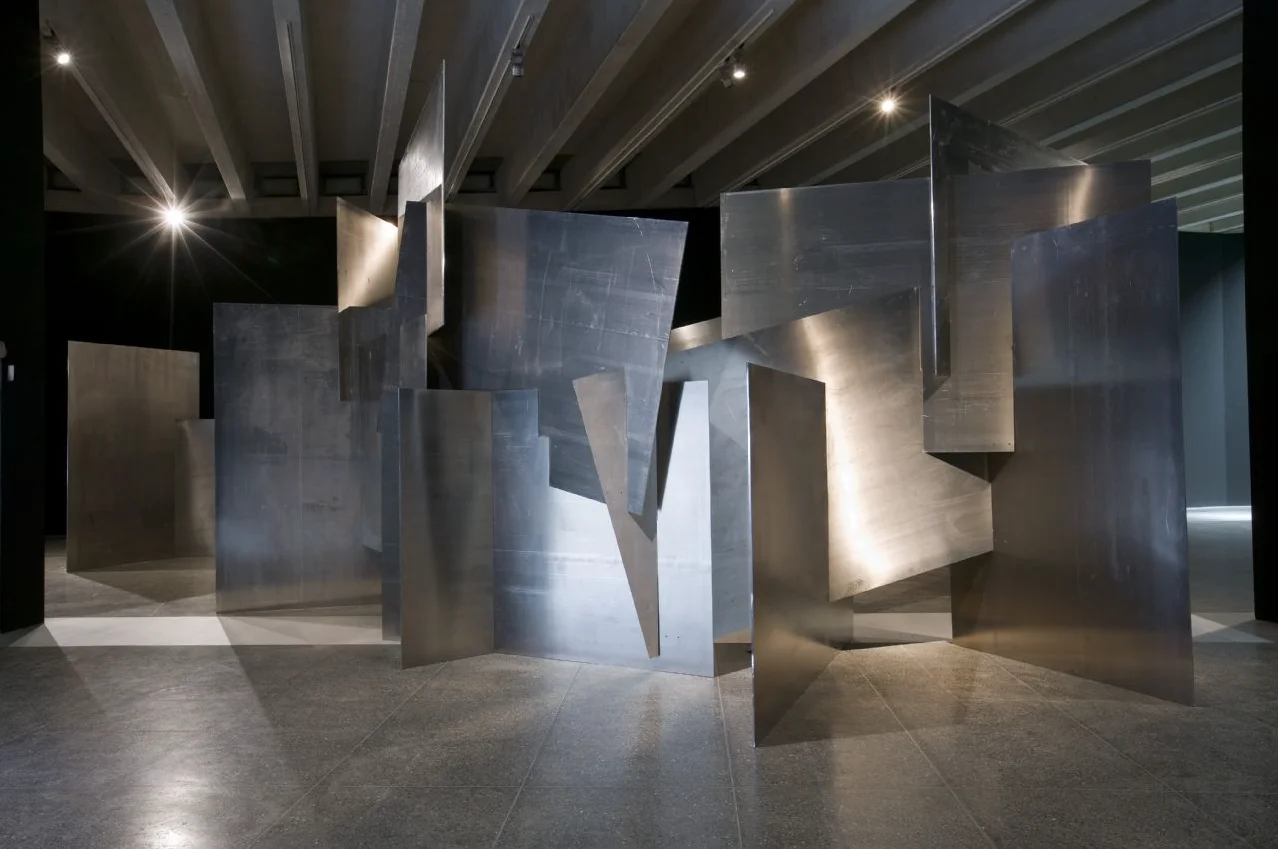
- Architectural dialogue: Experience how the industrial, minimalist space of El Palacín provides a stark, modern backdrop for 20th-century history.
Experience as an Artlover
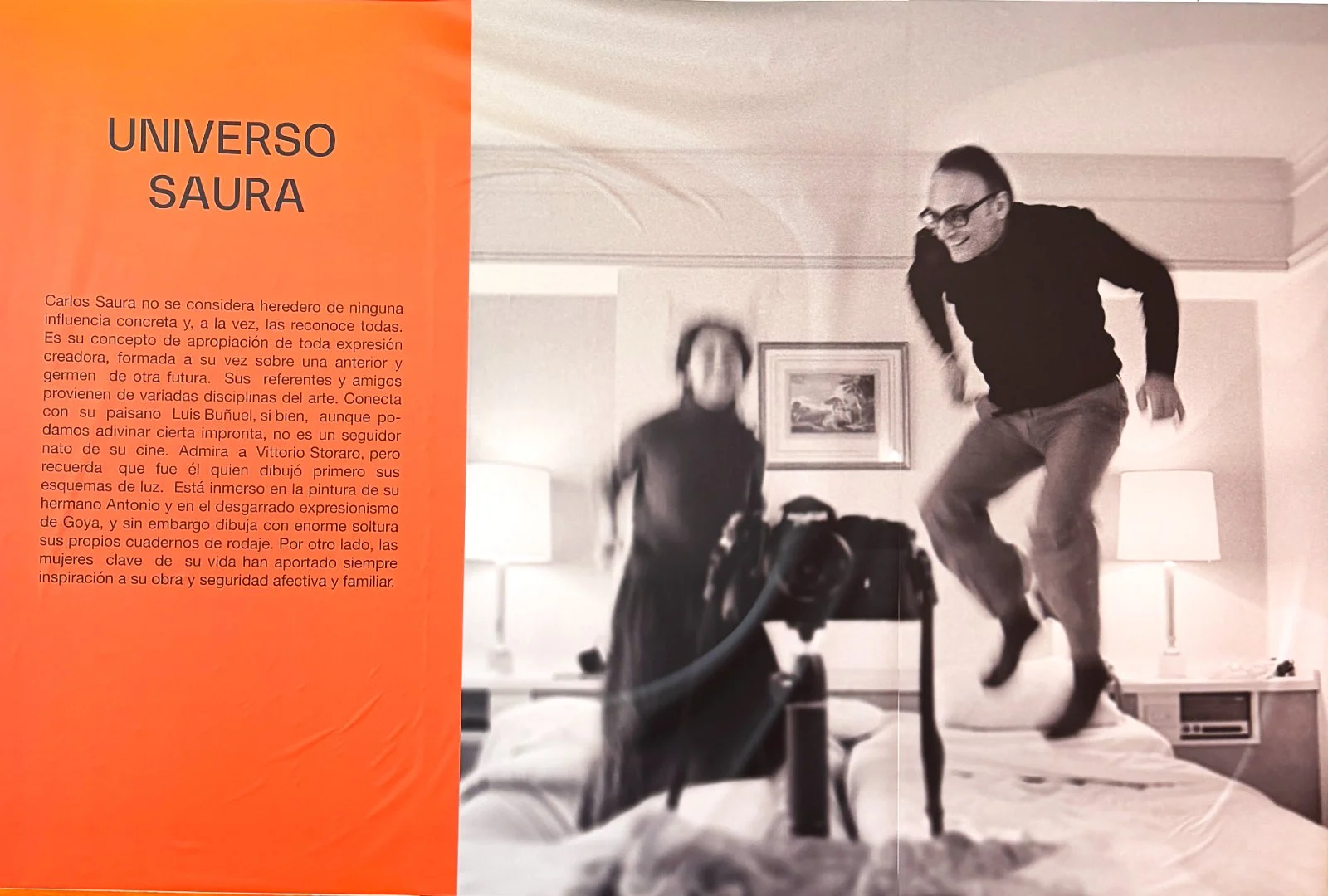
Move slowly through the four thematic areas, beginning with the raw social documentary of the 1950s before reaching the more experimental Universe Saura. The light in the gallery emphasizes the texture of his hand-colored works, so take a moment to look at the physical interventions on the paper. After leaving the industrial Palacín, walk toward the nearby Bernesga river to reflect on the contrast between Saura’s historical Spain and the airy, modern paths of contemporary León.
Carlos Saura. Photographer
Artlovers relevance
Plan your visit
El Palacín
León, Spain