The elegant rebel who turned painting into atmosphere, provocation and self-invention — and helped push 19th-century art towards modernism.
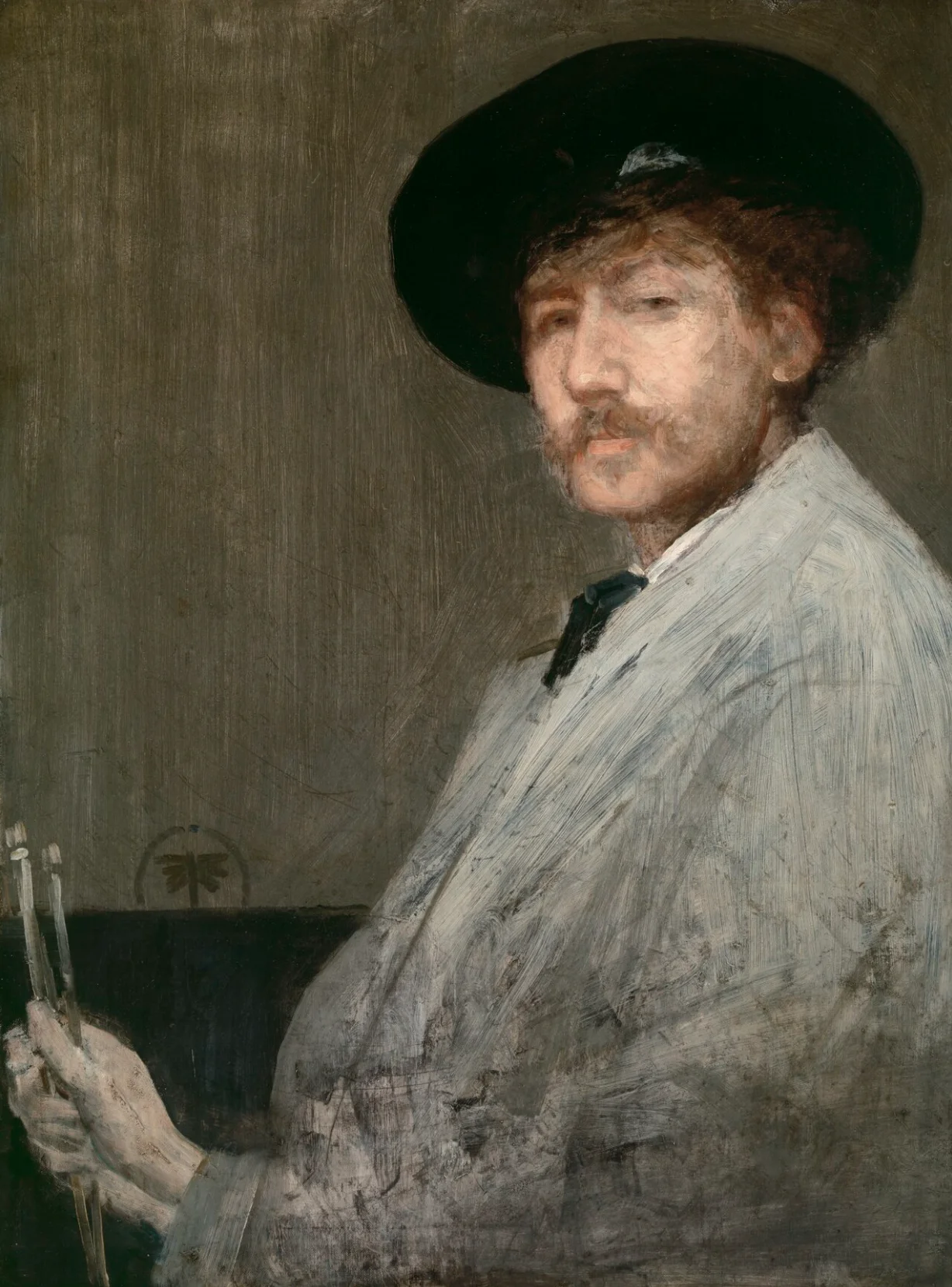

Pay attention to Whistler the character as much as Whistler the painter. His dandified appearance, provocative statements and notorious disputes were part of his strategy for redefining what an artist could be.
Inside the exhibition
Whistler: Dandy and Disruptor is presented at the Van Gogh Museum in Amsterdam from 16 October 2026 to 10 January 2027. It forms part of the largest European retrospective of Whistler's work in more than 30 years and the first Whistler retrospective ever held in the Netherlands. The project was developed in collaboration with Tate Britain and The Mesdag Collection.
Born in the United States, Whistler moved to Paris at 21 and spent much of his career between Paris and London, moving in the circles of artists and writers including Rossetti, Courbet, Manet and Oscar Wilde. He cultivated an unmistakable image as an elegant, provocative dandy, while fiercely defending the idea that art should exist for its own aesthetic qualities rather than serve a moral or political purpose.
The exhibition explores this tension between beauty and rebellion. His paintings can be remarkably restrained and atmospheric, while his personality was famously combative. His dispute with critic John Ruskin, whom he sued for libel after Ruskin attacked one of his paintings, became one of the great episodes of Victorian art history. Whistler later published an account of his many artistic battles under the provocative title The Gentle Art of Making Enemies.
The Amsterdam presentation includes approximately 100 works, among them the famous portrait of Whistler's mother, the dreamlike nocturnes of the Thames, works from the White Girls series and large-scale society portraits.
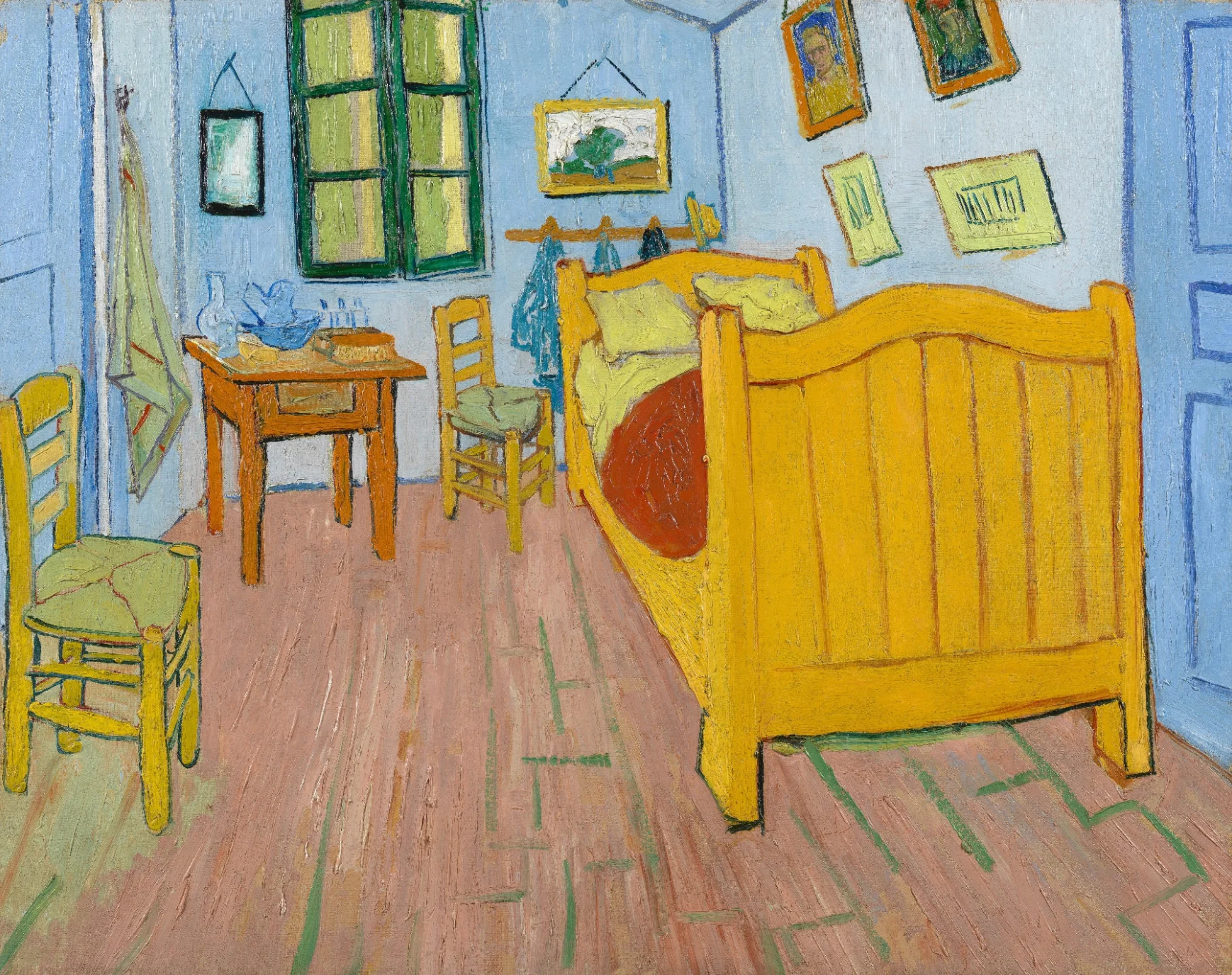
There is also a particularly interesting connection to the museum hosting the exhibition: Vincent van Gogh admired Whistler and mentioned his etchings in his letters. Both artists were fascinated by Japanese aesthetics and challenged conventional ideas about what painting could be. Van Gogh even referred to Whistler's portrait of his mother in a letter to his sister.
The Amsterdam project is complemented by a second exhibition at The Mesdag Collection in The Hague, Whistler: Loving the Netherlands, which focuses specifically on Whistler's relationship with the Netherlands and his Amsterdam etchings. Together, the two exhibitions tell a much fuller story of the artist.
Worth travelling for?
A must-see for anyone interested in the transition from 19th-century academic art to modernism. Whistler's real achievement was bigger than his beautiful paintings: he helped invent the idea of the artist as an independent, provocative figure, while turning atmosphere, colour and composition into subjects in their own right.
Whistler: Dandy and Disruptor
Hours & rating from Google