At a glance
Thai artist Som Supaparinya uses video to reveal how dams, bridges, and military roads in Southeast Asia act as lasting monuments to political power and forgotten history.
Why go
You'll see
Pace of visit
Don't miss

Artlovers Tip
Look closely at the archival documents and photographs presented alongside the videos; they provide the historical context needed to understand the specific locations shown on screen.
Artlovers relevance
Inside the exhibition
Meet the artist
Key Movements
Medium
Description
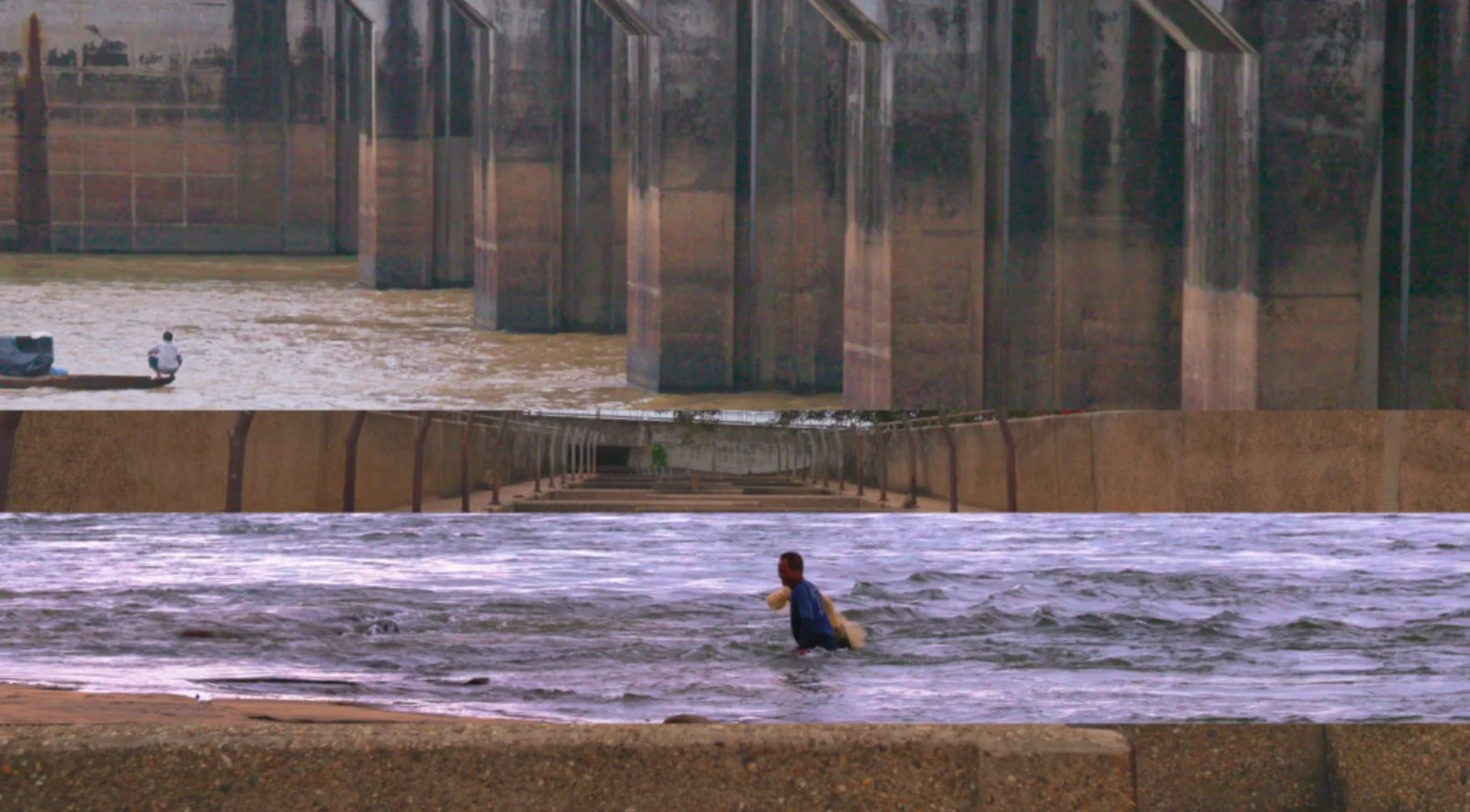
Thai artist Som Supaparinya brings her first solo exhibition in Scandinavia to Kunsthal Charlottenborg in Copenhagen, Denmark. Titled Reroute:, the show examines how physical infrastructure—from dams to military roads—shapes the social and ecological memory of Southeast Asia. Supaparinya uses a documentary approach to investigate how these structures serve as symbolic tools for political propaganda and geopolitical control.
The presentation features two major video installations shown together for the first time. The work Melted Stars (2026) investigates the repressed history of Thailand's military cooperation with Japan during the Second World War. A second piece, Mo num en ts (2025), focuses on the Cold War era, tracing the long-term environmental and social consequences of the strategic alliance between Thailand and the United States.
By combining meticulous field studies with archival research and filming, Supaparinya highlights the friction between official national myths and the reality of environmental exploitation. The exhibition offers a critical perspective on how past global conflicts continue to define the Thai landscape and the narratives of collective identity in the region today.
Worth travelling for?
A focused and intellectually stimulating show for viewers interested in the intersection of documentary filmmaking, modern Asian history, and the politics of landscape.
Experience as an Artlover
Allow enough time to sit through both video installations in their entirety; the artist's documentary style relies on a slow accumulation of visual evidence and archival detail.