At a glance
This ambitious solo show brings together sculptural installations and immersive sound to explore the intricate connections between biological life, material science, and artificial intelligence.
Why go
You'll see
Pace of visit
Don't miss

Artlovers Tip
Since Smith is an established author, looking into her recent books like Terracotta or Sang om planeten before visiting will provide a deeper understanding of the narratives behind the sculptures.
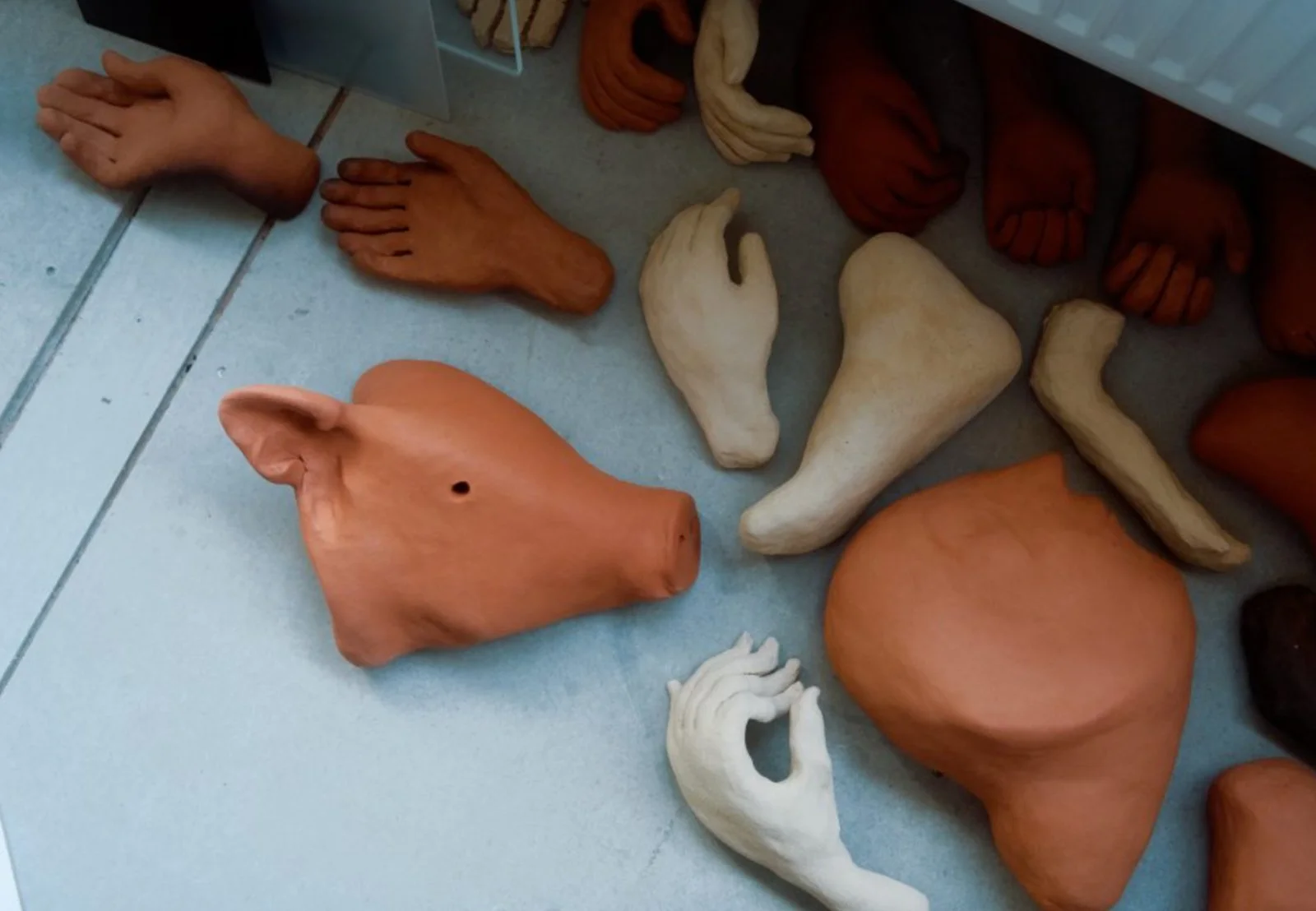
Don't miss The large vitrines of hybrid objects.
Artlovers relevance
Inside the exhibition
Meet the artist
Key Movements
Medium
Description
Levende — “Living” — unfolds as a sequence of sculptural environments that move between biology, material culture and imagination. Smith zooms between the immense story of life on Earth and tiny material processes: patterns, residues and traces through which living beings alter their surroundings. The exhibition deliberately places natural matter beside manufactured objects, asking where we draw the line between nature, technology and human intervention.
The vitrines give the project an almost scientific appearance, but this is not a natural-history exhibition. Literature, research and visual art continuously overlap, while the immersive sound work adds another layer to the idea of life as something sensed rather than simply observed. Smith is especially interested in connections across past, present and possible futures, including forms of artificial life.
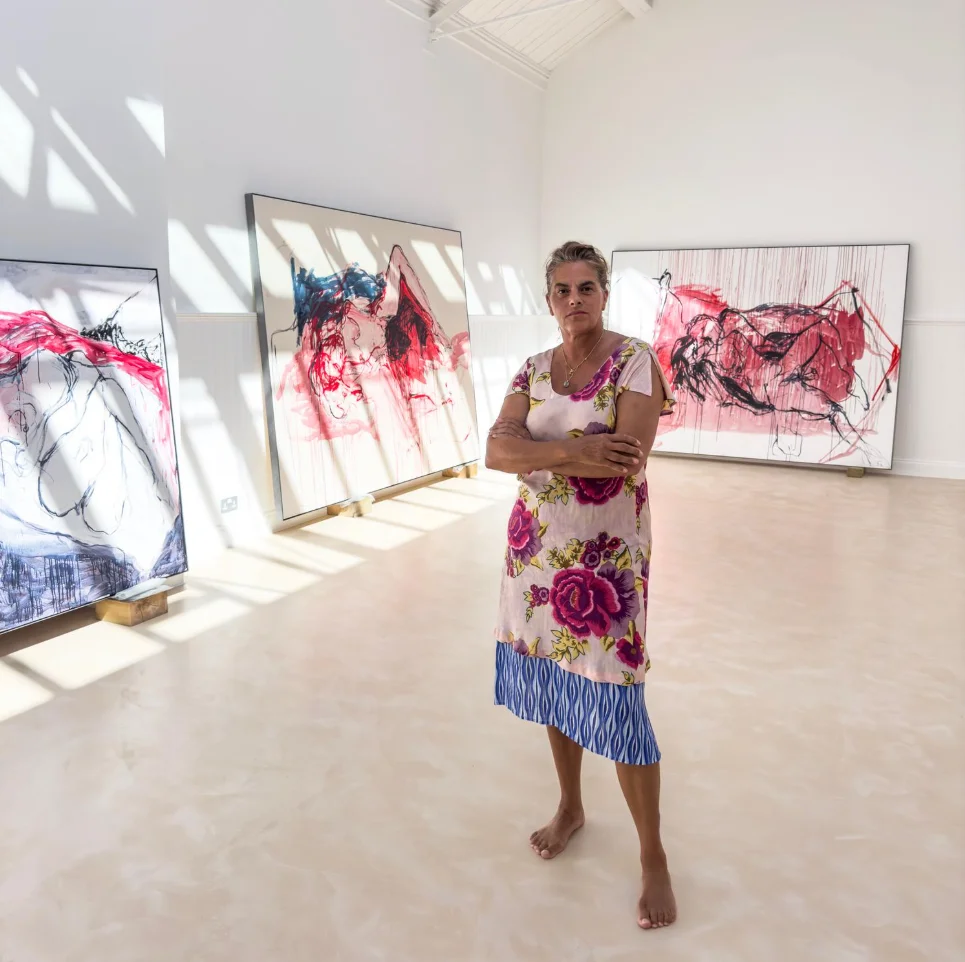
Amalie Smith (b. 1985) is a Danish visual artist and author whose multidisciplinary practice moves between writing, research, sculpture and installation. She graduated from the Danish Academy of Creative Writing in 2009 and the Royal Danish Academy of Fine Arts in 2015, and has published nine books alongside projects including Looming, Sang om planeten and Levende jord.
Worth travelling for?
A rewarding visit for those interested in the intersection of science and art, offering a thoughtful, multidisciplinary look at how life is represented through physical matter.
Experience as an Artlover
Allow time to listen to the sound work in full while moving between the vitrines, as the audio layer provides essential context for the tactile materials on display.