At a glance
A quiet, data-driven reckoning with two centuries of Irish struggle, labor, and survival within the fabric of English society.

Artlovers Tip
Pay close attention to the 1971 Daily Express cartoon; it serves as a sharp reminder of the media's role in shaping public perception and the specific prejudices the community navigated during the 20th century.
Inside the exhibition
Meet the artist
Description
This exhibition at EPIC transforms cold economic data into a poignant narrative of the millions who crossed the Irish Sea. Drawing on extensive research from the London School of Economics, it traces the lives of workers and nurses whose labor built England's infrastructure and healthcare, often while enduring systemic poverty and social isolation. It is a necessary look at the grit required to belong when the signs at the door said you were not wanted.
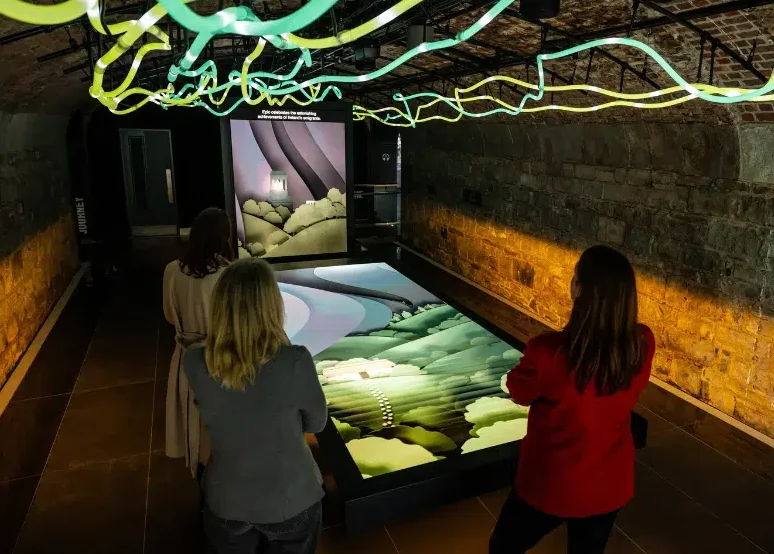
You're watching the flicker of Philip Donnellan's 1965 film The Irishmen, where the voices of migrant laborers rise above the noise of construction sites. Animated data visualisations map out generations of inheritance and health, turning abstract statistics into a visible pulse of human movement across the North of England. The scale of the big data feels intimate here, grounded by archival photographs of workers on the Southbank and the evocative melodies of Séamus Ennis.
Worth travelling for?
- Unseen footage: View Philip Donnellan’s controversial 1965 documentary, once deemed too provocative for British television, which captures the raw reality of exile.
- Invisible histories: Understand the specific economic hardships faced by Irish women and men through pioneering research that finally quantifies two centuries of social mobility.
- A modern lens: See how high-tech data visualisation brings historical documents to life, making the complex story of migration accessible and visually striking.
Experience as an Artlover
Allow the rhythmic songs of Ewan MacColl to guide you through the Celebrations Gallery, letting the music bridge the gap between the hard data and the emotional weight of the immigrant experience. After absorbing the weight of the archives, walk five minutes along the Liffey to the famine statues at Custom House Quay. The contrast between those bronze figures of the past and the digital records inside EPIC provides a profound perspective on how far the Irish diaspora has traveled.
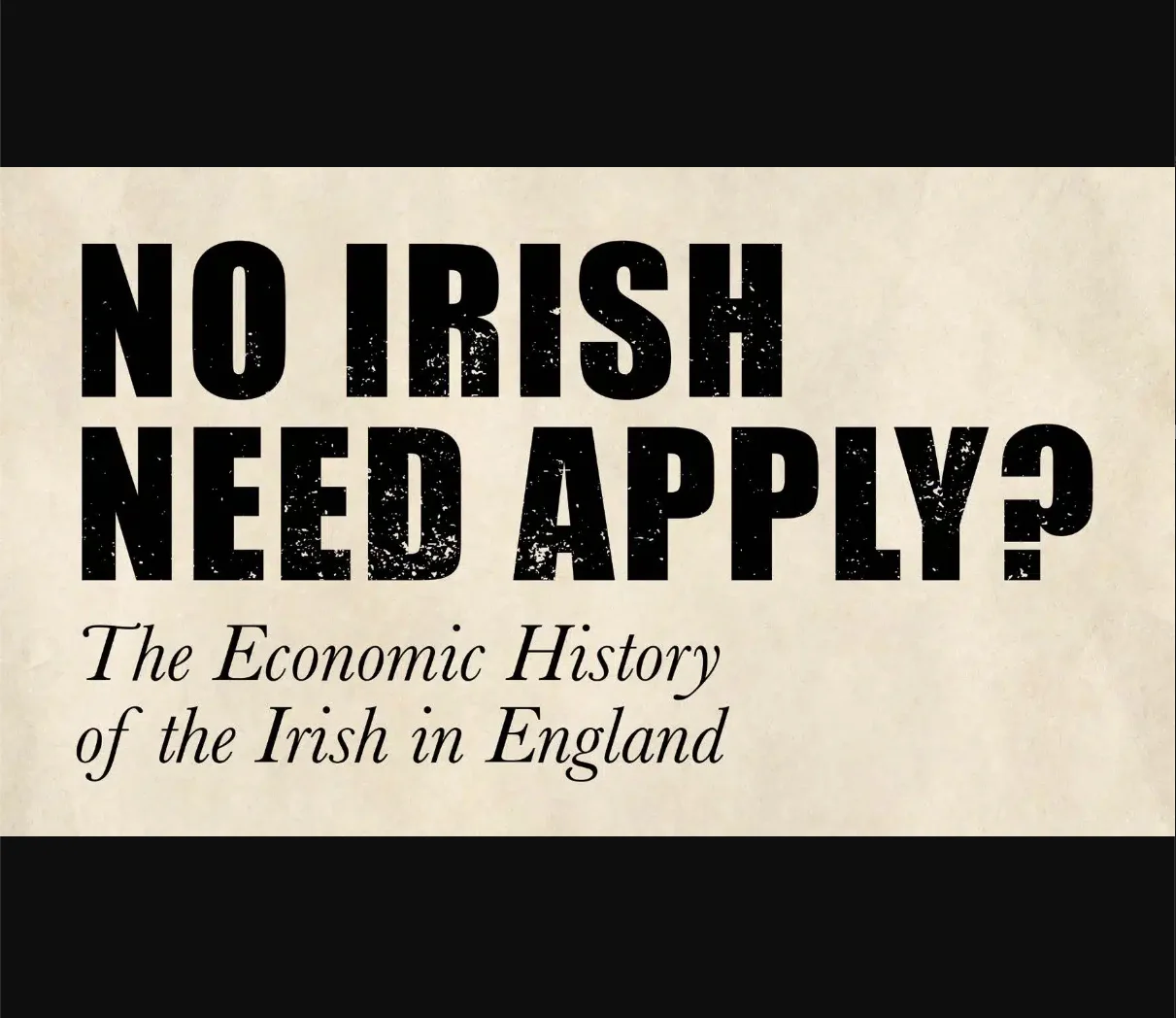
No Irish Need Apply? The Economic History of the Irish in England
Artlovers relevance
Plan your visit
Hours & rating from Google