At a glance
A profound archaeological excavation of human memory, transforming the silent walls of psychiatric wards and prisons into poetic archives.

Artlovers Tip
Look closely at the De lo abyecto mural series; the subtle variations in color aren't just paint, but the accumulated residue of decades of human confinement.
Inside the exhibition
Meet the artist
Description
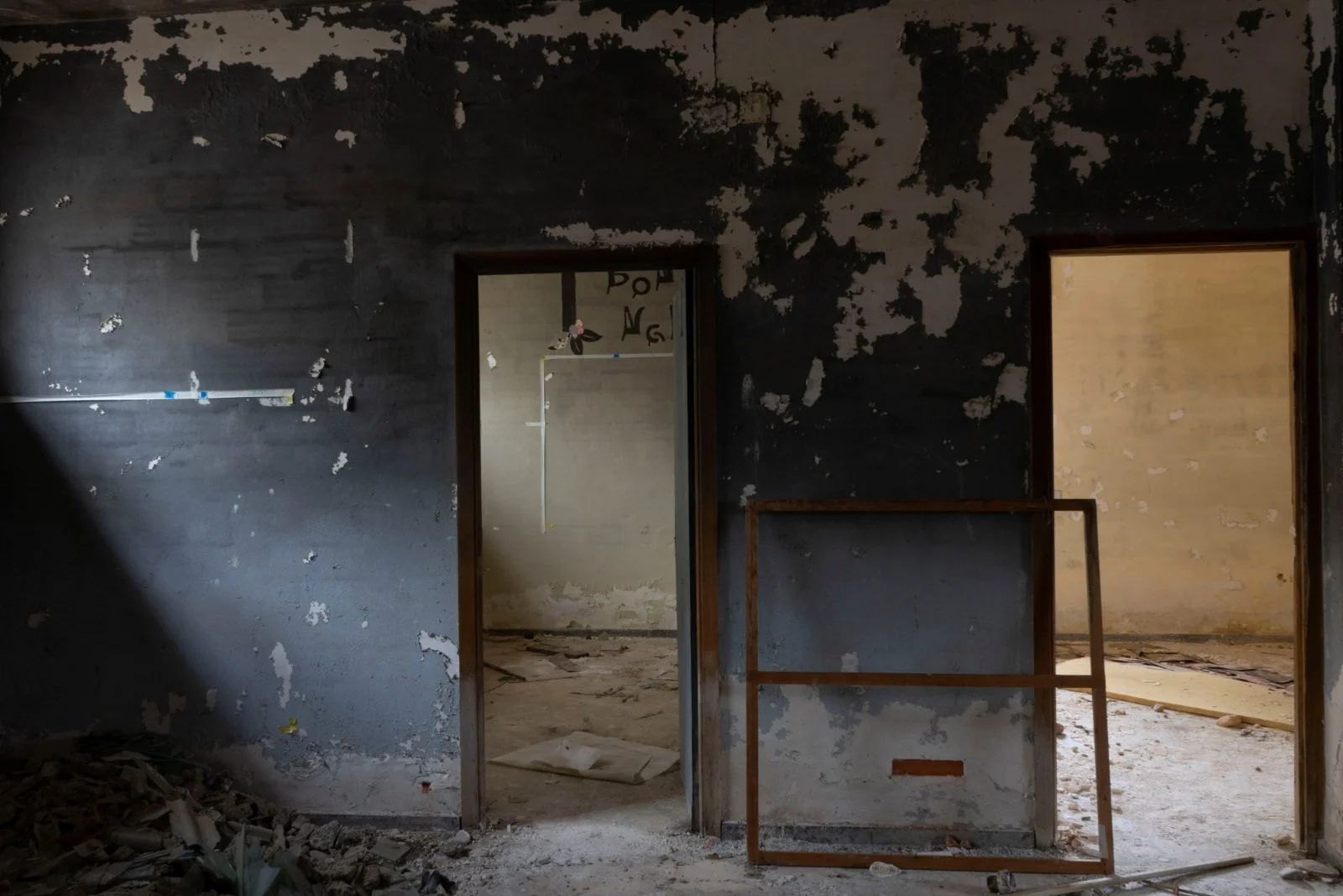
Patricia Gómez and María Jesús González treat the peeling walls of forgotten institutions as the skin of history. Their practice focuses on the strappo technique—delicately lifting the physical surface of walls from sites like the Padre Jofré Psychiatric Hospital and the old prison of Cáceres. By preserving these textures, they salvage the invisible traces of those once excluded from society, turning cold architecture into a tender, collective record of human presence.
You're watching large-scale mural extractions that hang like ghosts in the clean, modern light of the Helga de Alvear. The grit and color of the hospital walls are suspended in the air, creating a labyrinth of textures that feel both heavy with history and ethereally fragile. Beside them, film and photography document the stillness of abandoned corridors, inviting a quiet contemplation of the lives that once paced these same rooms.
Worth travelling for?
- Archaeological Memory: Witness the first major survey of a decade-long project that gives a physical voice to the silent inhabitants of psychiatric wards and prisons.
- Site-Specific Resonance: Experience a new series of works created specifically for this show, where the artists have peeled the memory of Cáceres' own historic local prison.
- Technical Mastery: See the rare application of the strappo technique used not for restoration, but as a conceptual tool to archive the passage of time on canvas.
Experience as an Artlover
Allow the textures of the mural extractions to guide your pace, moving close enough to see the layers of paint and dust that mark the years. After leaving the museum’s white, angular architecture, walk toward the Old Town of Cáceres. The contrast between the preserved medieval stones of the city and the rescued walls inside the gallery highlights the fragility of what we choose to remember and what we allow to crumble.
Espejo del mundo
Artlovers relevance
Plan your visit
Hours & rating from Google