At a glance
An exhibition like a mind in motion: fragments, relics, memory, migration and intimacy arranged as a quiet choreography of power. The Greek word πνεῦμα can be read as “spirit,” “breath,” or “life.” The title is also linked to Elissa, adding a layer of dedication, mythology and personal memory.

Artlovers Tip
Inside the exhibition
Meet the artist
Description
This is a major solo exhibition by Danh Vo, the Vietnamese-born, Denmark-raised conceptual artist known for turning personal biography, found objects, historical fragments and institutional space into deeply charged installations.
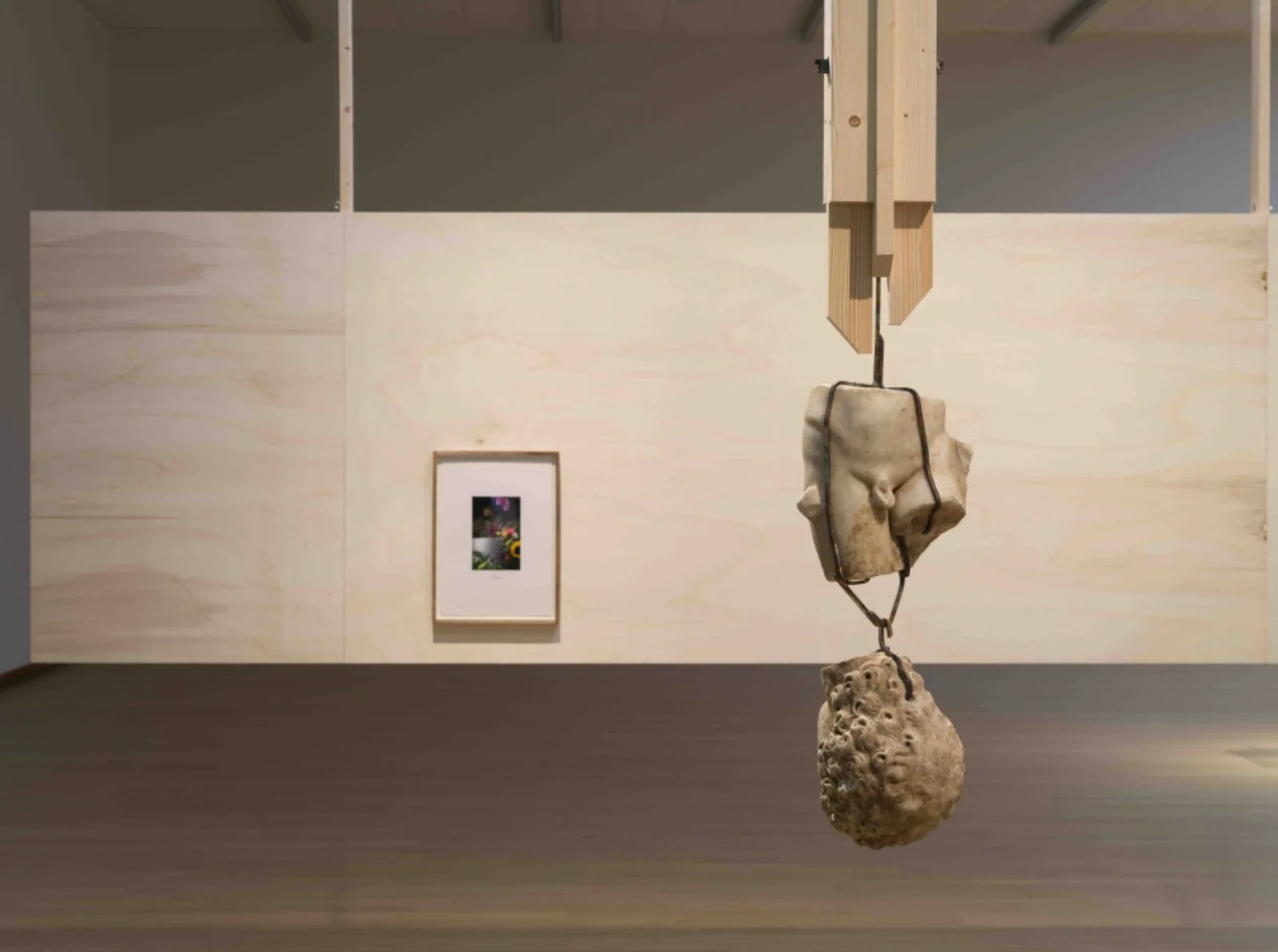
Vo’s work often feels like an archive that refuses to explain itself too easily. In πνεῦμα (Ἔλισσα), sculptures, antiques, religious relics, fragments of monuments, photographs and carefully staged objects come together to explore human intimacy, displacement, memory, power and the conditions that shape how we move through the world.
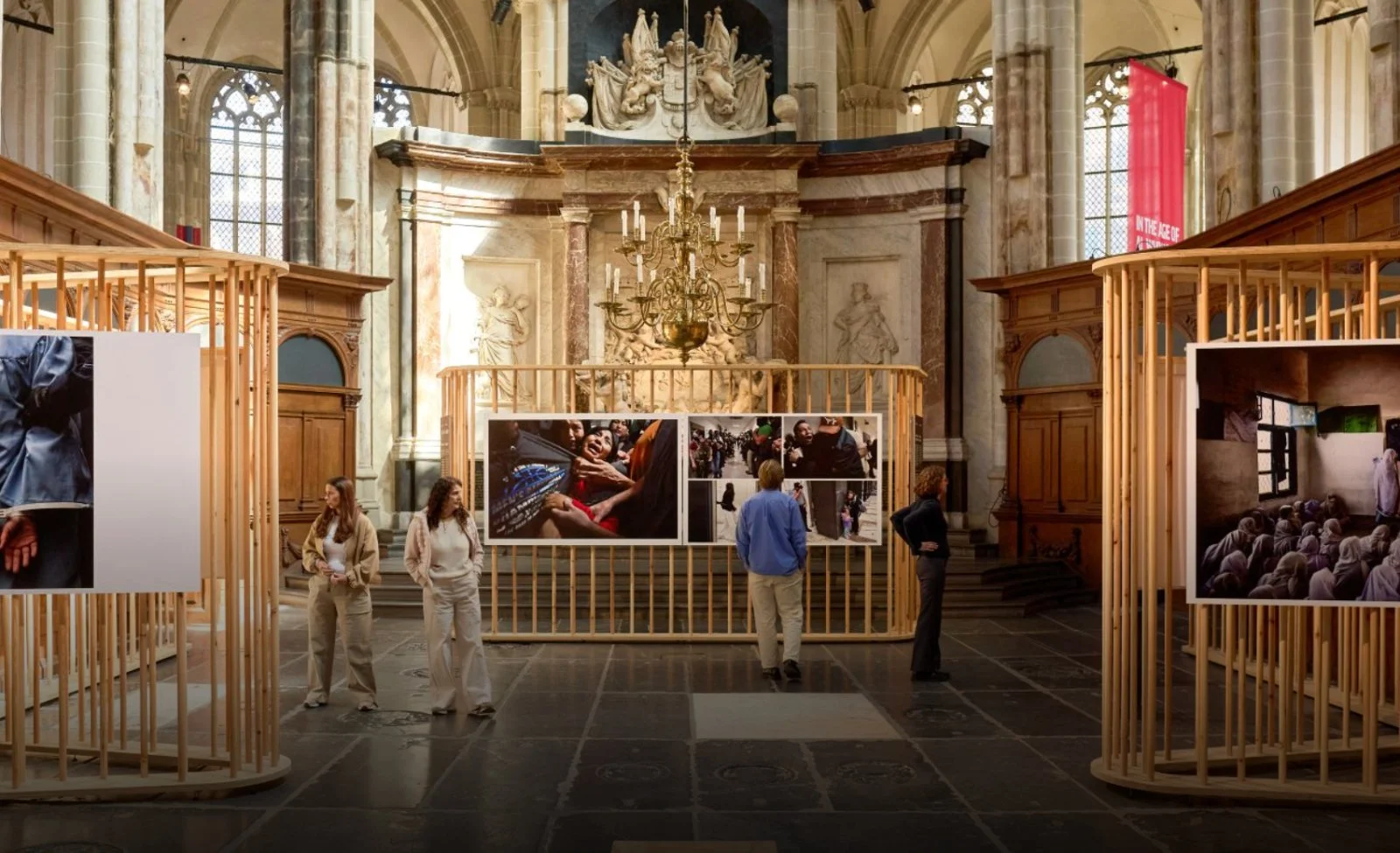
The exhibition is also about display itself. Reviews describe the show as a choreography of objects and space, with open wooden structures, suspended room-like elements and carefully placed fragments that allow visitors to wander through Vo’s mental and material landscape.
Worth travelling for?
Because Danh Vo makes history feel intimate.
His work does not speak about migration, colonialism, religion, sexuality, violence or identity in a direct documentary way. Instead, he lets objects carry pressure. A relic, a photograph, a piece of furniture, a classical fragment or a personal reference becomes a witness — not only to the artist’s biography, but to larger systems of power and belonging.
For Artlovers, this is worth seeing because it asks you to look differently: not for a single message, but for relationships. Between object and memory. Between beauty and violence. Between personal life and world history.
Experience as an Artlover
Don’t try to decode everything immediately.
Walk first. Let the arrangement of objects guide you. Then choose a few fragments and ask: why are they together? What kind of intimacy do they create? What history is visible, and what history is missing?
This is not an exhibition that gives itself away quickly. Its power is in the gaps.
Danh Vo — πνεῦμα (Ἔλισσα)
Artlovers relevance
Plan your visit
Hours & rating from Google