At a glance
A journey from the Andes to Ireland — where poetry, earth, exile and ancestral memory become one fragile, urgent thread.

Artlovers Tip
Inside the exhibition
Meet the artist
Description
Contemporary art / poetry / sound / installation / ecological and Indigenous memory
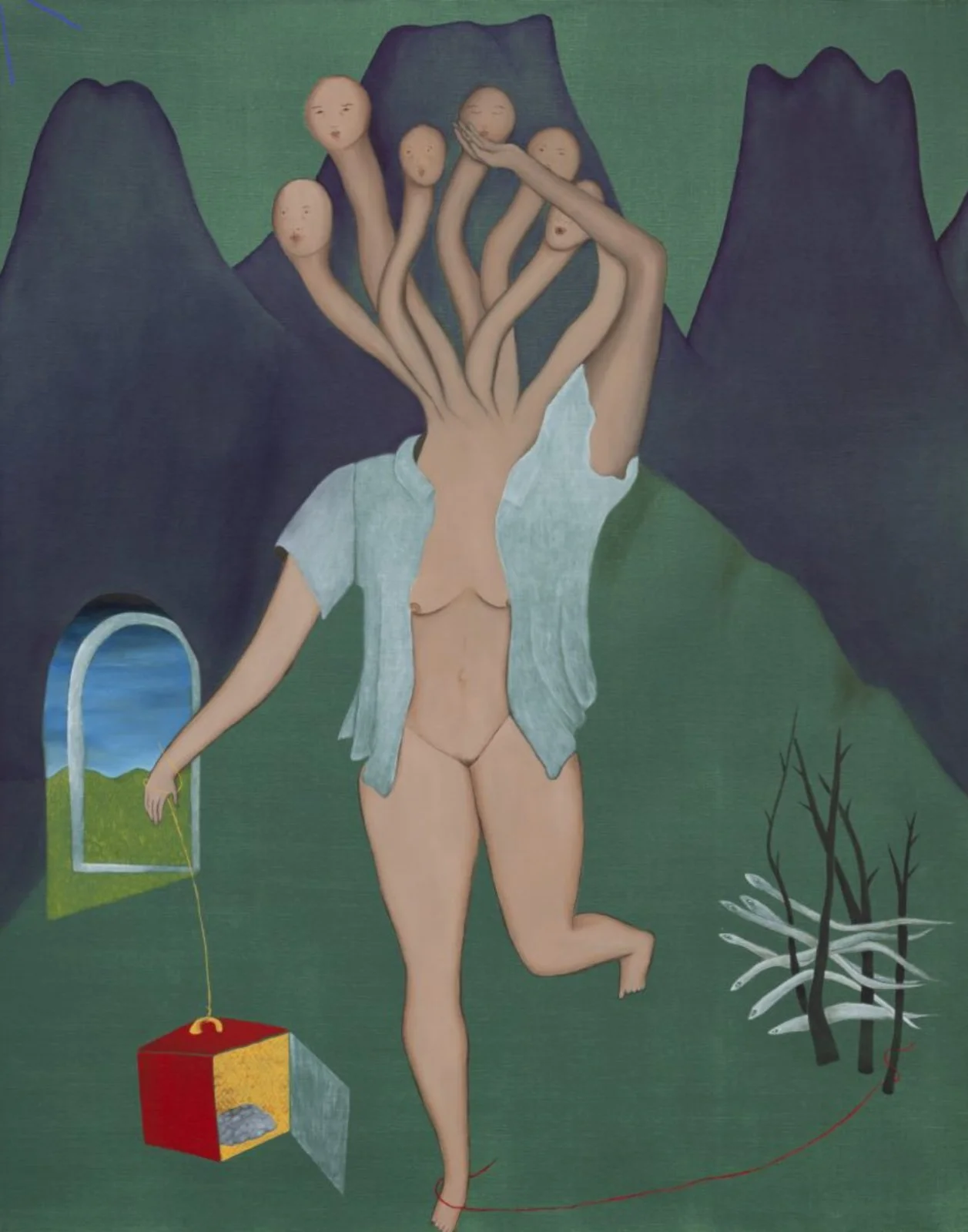
This is the first solo exhibition in Ireland by Chilean artist, poet and activist Cecilia Vicuña. The show is built around ancestry, ecological urgency, poetry, exile, Indigenous traditions and the artist’s discovery of ancient ties to Ireland.
At the centre is Vicuña’s language of the quipu — the ancient Andean system of knotted cords — transformed into a contemporary form of memory, mourning and resistance. At IMMA, her quipu installation becomes a monumental meditation on survival and transformation, linking personal history with global ecological and political crises.
The exhibition also includes sound and poetry. Vicuña created a new sound work, Mourning Dialog, combining the call of the curlew with her own a cappella voice, bringing together natural sound, oral tradition and ritual listening.
Worth travelling for?
Because Vicuña makes art feel like a living system: thread, voice, earth, body, language, memory.
Reverse Migration is inspired by Vicuña’s 2006 visit to Ireland with poet James O’Hern, when they honoured archaeological sites through rituals of gratitude. That return journey becomes the emotional structure of the exhibition: from Chile to Ireland, from Indigenous memory to Celtic heritage, from exile to reconnection.
For Artlovers, this is worth the trip because it is not just an exhibition to see — it is an exhibition to listen to. Vicuña asks us to slow down, honour silenced voices, and rethink our relationship with the earth at a time when that question feels urgent.
Experience as an Artlover
Medium-to-dense exhibition. Give it at least 60–75 minutes. If you want to experience the sound, poetry and quipu works slowly, allow 90 minutes.
Don’t visit this show like a normal contemporary art exhibition.
Start with the threads. Then listen. Then read the words. Vicuña’s work is delicate, but it carries enormous force. The most powerful part is the connection between what seems fragile — wool, voice, knot, poem — and what is actually immense: ancestry, survival, ecological grief, and collective memory.
This is a show for slow attention.
Cecilia Vicuña: Reverse Migration, a Poetic Journey
Artlovers relevance
Plan your visit
Hours & rating from Google