Espejo del mundo
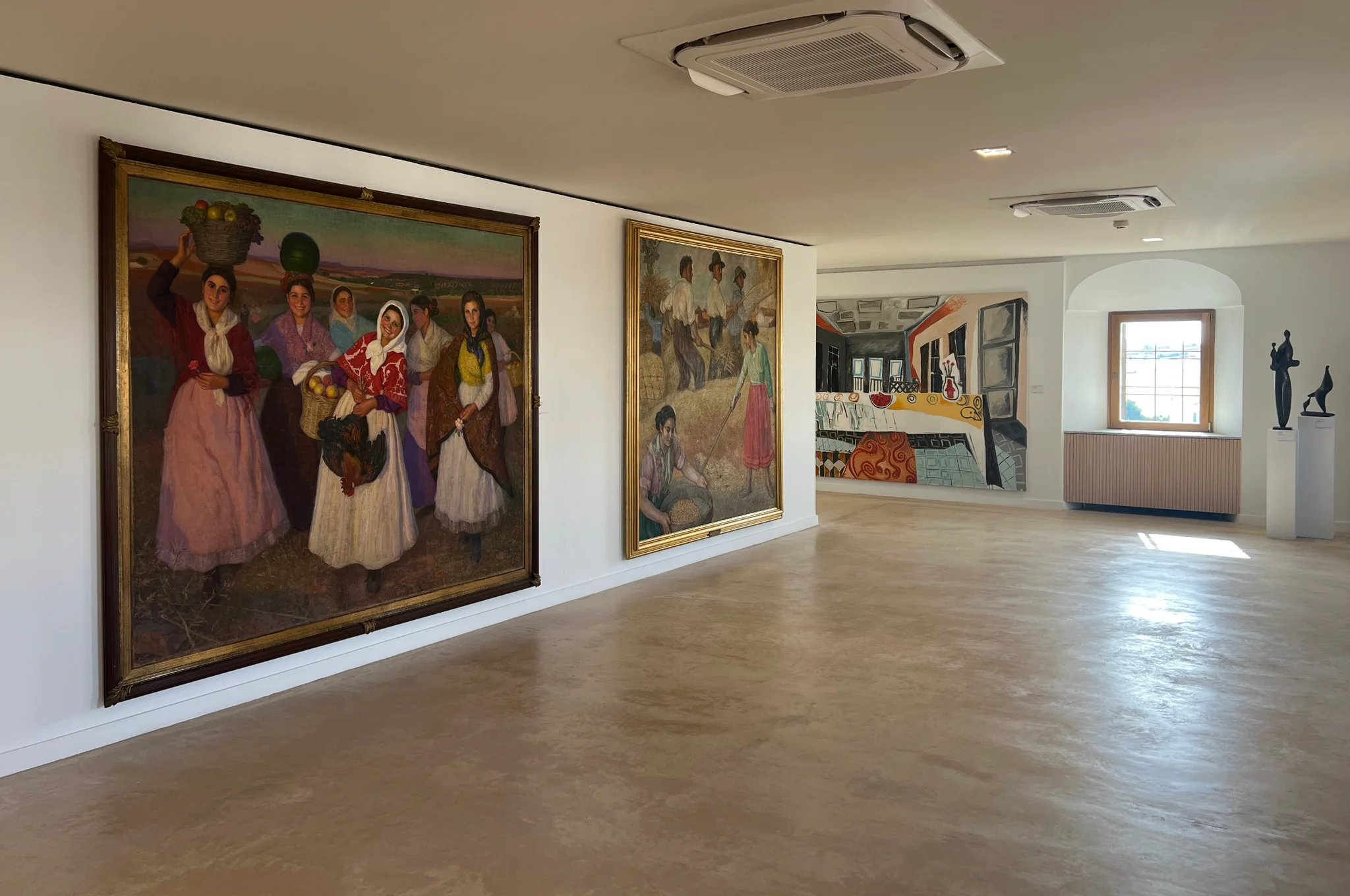
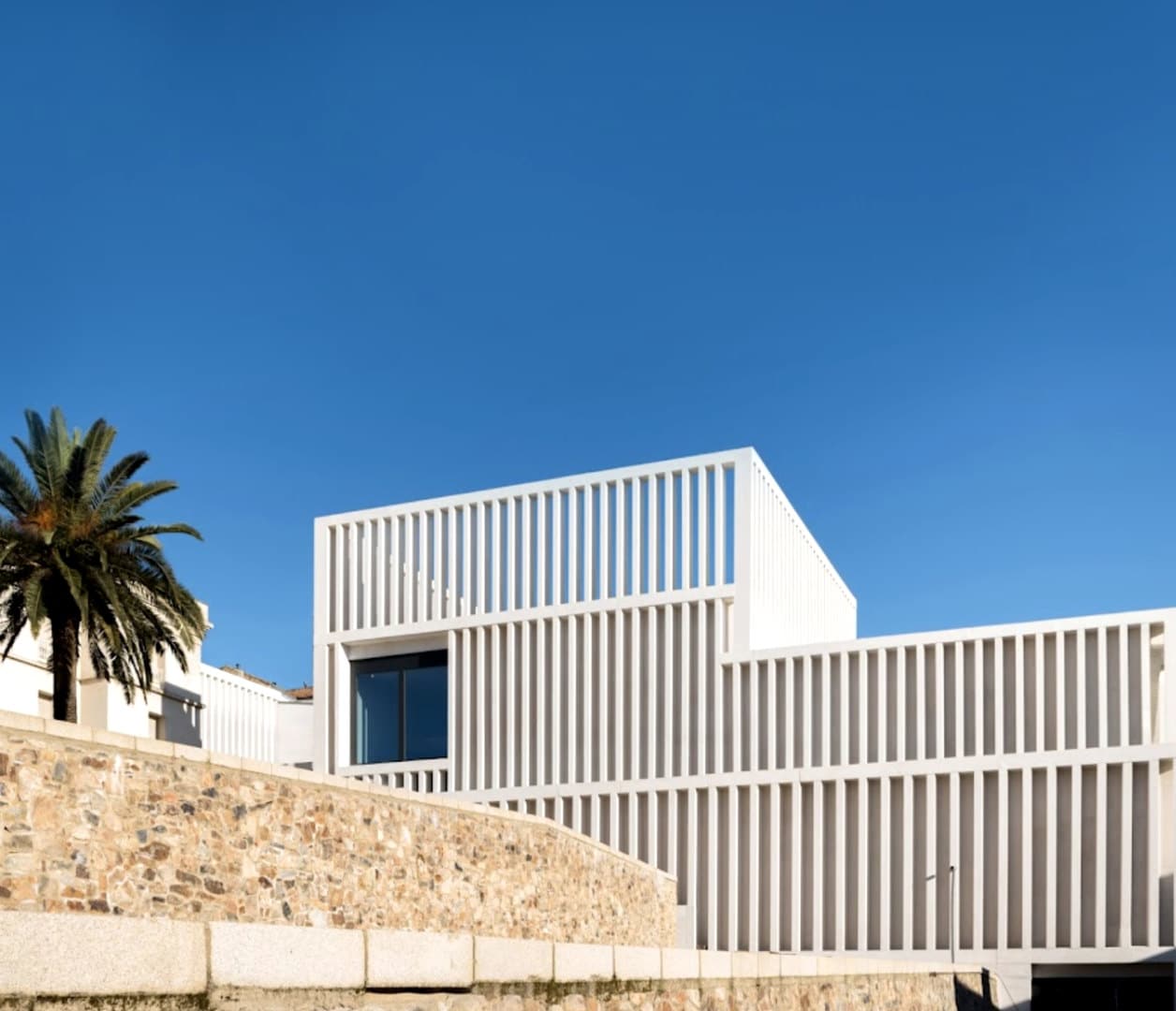
Museum of Contemporary Art Helga de Alvear
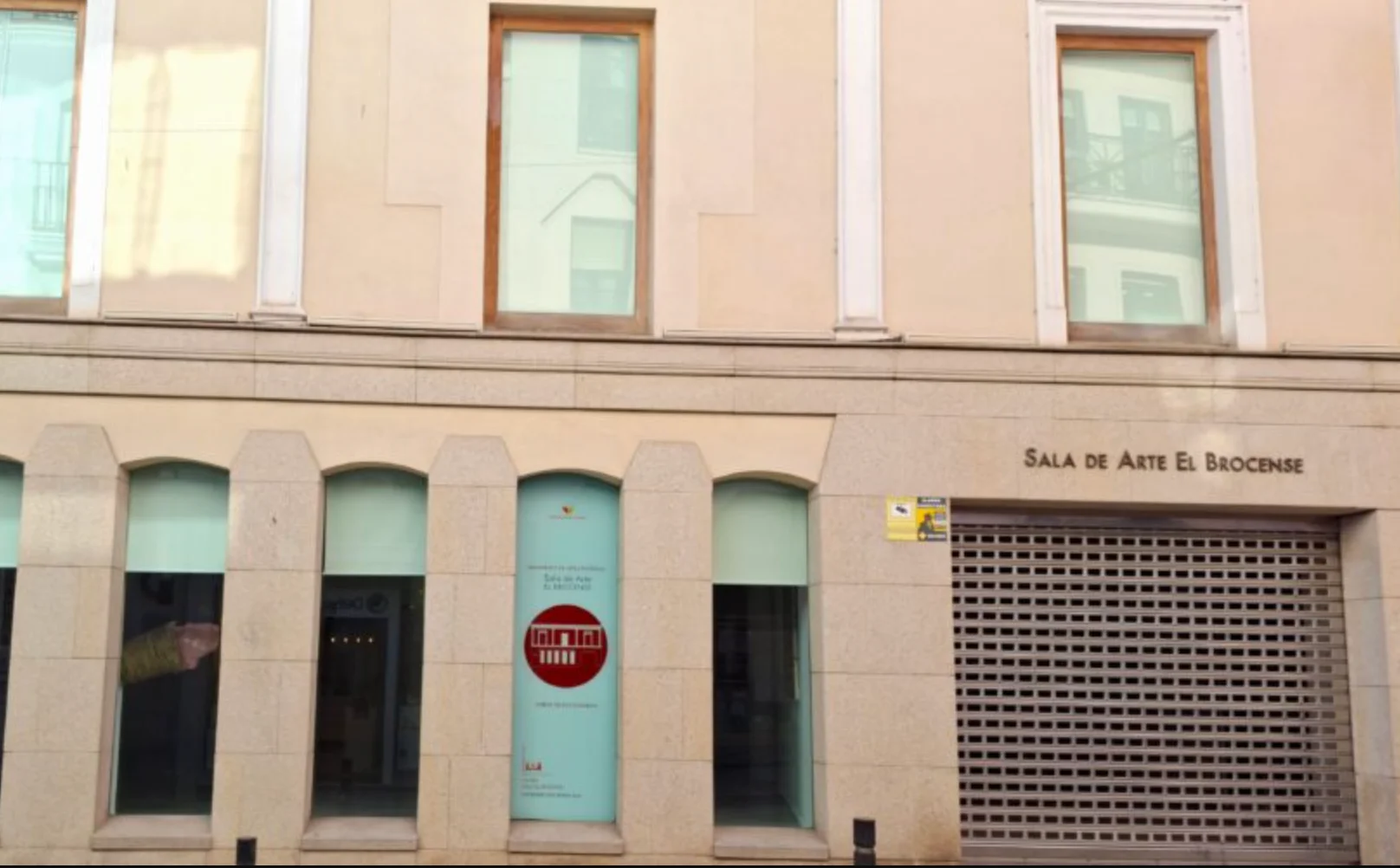
Caceres is an art destination in Spain with 4+ museums and galleries — including Museum of Contemporary Art Helga de Alvear, Art Gallery El Brocense and Cáceres Museum of Fine Arts — and 2 exhibitions currently on view.
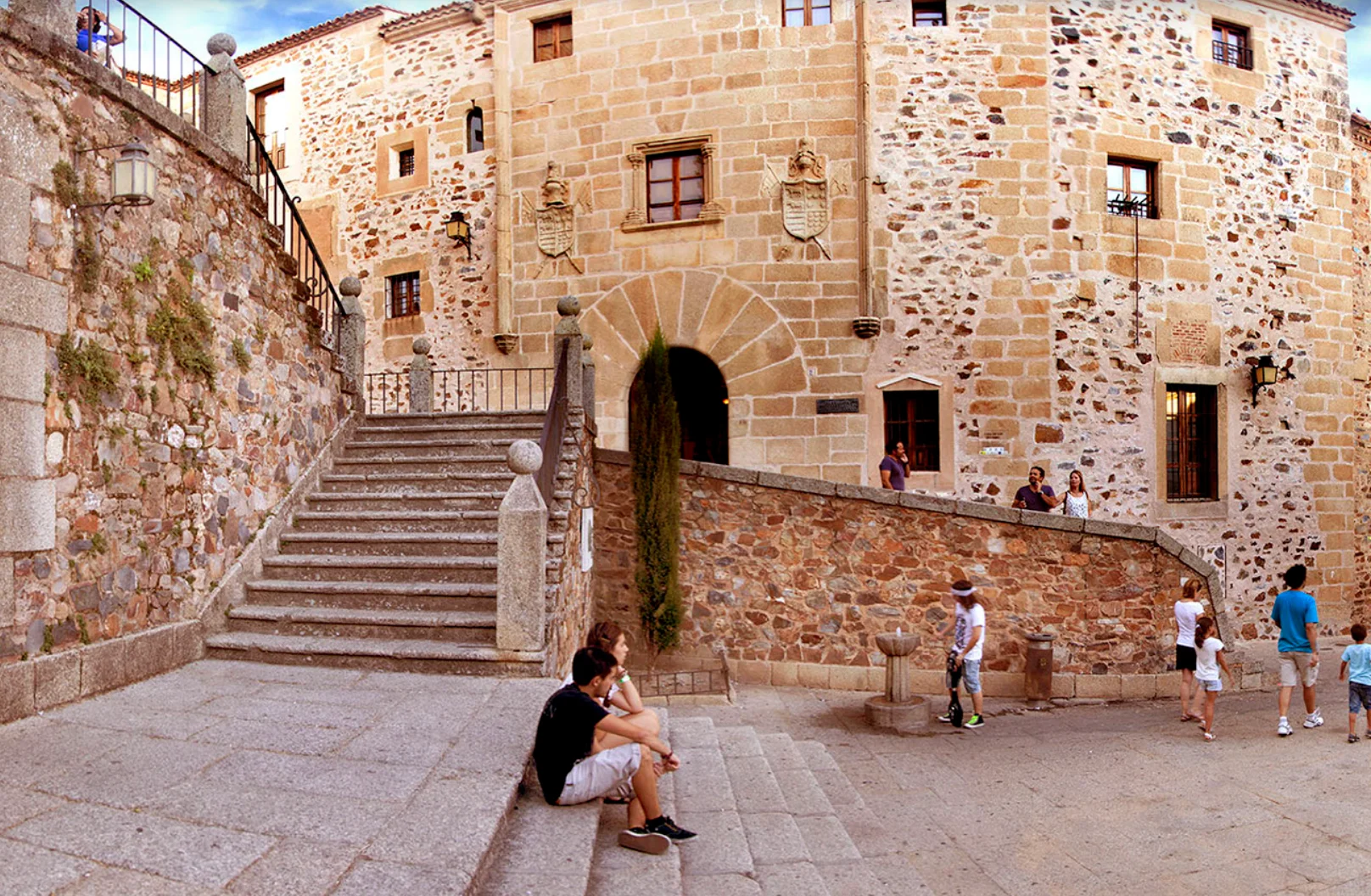
Cáceres is a city where medieval stone and radical contemporary art meet — a UNESCO old town with one of Europe’s most important private contemporary collections at its edge.
Cáceres is ideal for a 24–48 hour art escape: one strong contemporary museum, one medieval walking route, one slow dinner, and time to feel how the city changes from day to night.
What makes it a destination for art lovers
Contemporary art · medieval cities · UNESCO heritage · architecture · slow cultural travel · Helga de Alvear · art without crowds · Extremadura hidden gems.
Cáceres is worth the trip because it offers a rare contrast: an extraordinary UNESCO-listed Old Town and the Museo de Arte Contemporáneo Helga de Alvear, one of the strongest contemporary art anchors in Spain. The Old Town of Cáceres is a walled urban ensemble in Extremadura, recognized by UNESCO for its historic value and architectural continuity.
The contemporary counterpoint is powerful. The Helga de Alvear Museum houses a selection from a collection of more than 3,000 artworks, and the city’s tourism portal describes it as one of the most important international contemporary art collections in Europe.
Come for Helga de Alvear. Stay for the old town at dusk.
Art in Caceres
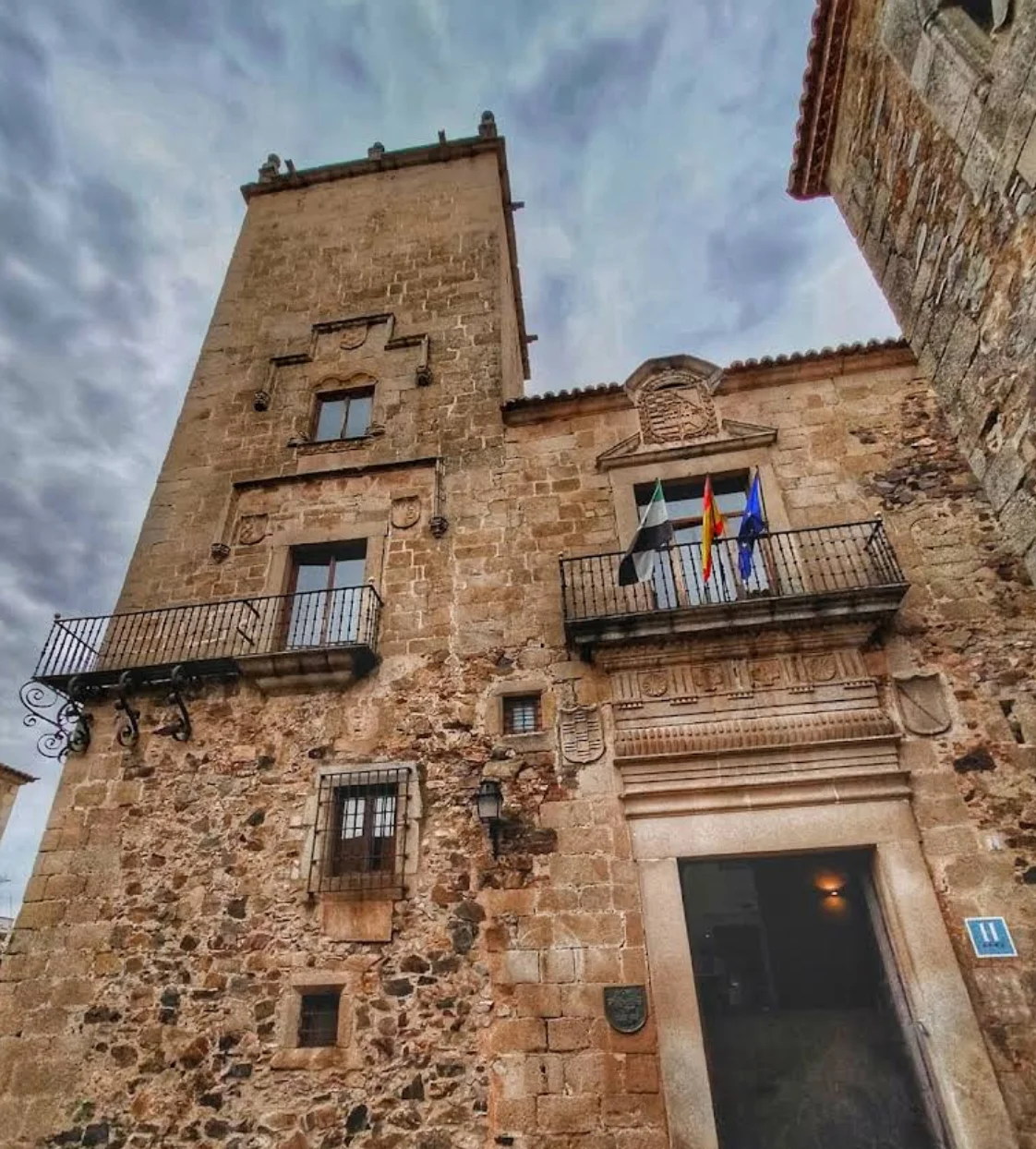
Cáceres matters because it gives art travelers a contrast that feels almost cinematic. On one side, the monumental city: towers, palaces, walls, cobbled streets, silence, stone and shadow. On the other, the white contemporary architecture of the Museo Helga de Alvear, holding one of the most significant contemporary collections in Europe. Few small cities create such a sharp dialogue between past and present.
The Old Town of Cáceres is the emotional core of the city. UNESCO describes it as a walled urban ensemble in southwest Spain, surrounded by more than a kilometre of wall. Its beauty is not only in individual monuments, but in the atmosphere of the whole historic fabric: palaces, churches, towers, plazas and narrow streets that preserve the feeling of a medieval and Renaissance city.
The essential Artlovers stop is the Museo de Arte Contemporáneo Helga de Alvear. Its collection includes more than 3,000 works and focuses on contemporary languages that help explain the world we live in. The museum itself presents contemporary art as a way to understand our time and ourselves, which makes it especially aligned with the Artlovers idea that art is not decoration — it is a way of thinking.
Cáceres also has other cultural layers. The city’s official tourism portal lists museums, interpretation centres and exhibition spaces for exploring its history and artistic heritage, while the Museo de Cáceres connects archaeology, ethnography and art inside historic buildings such as Casa de las Veletas and Casa de los Caballos. Spain.info notes that the museum includes testimonies from the first settlers to contemporary art, although it is temporarily partially closed until 2026.
For art travelers, Cáceres is not about quantity. It is about intensity. You do not come here for ten museums in a day. You come for the shock of seeing contemporary art beside medieval stone, for the silence of the old city, for the feeling that art history and today’s questions can exist within the same walk.
When to travel to Caceres for art lovers
Keep exploring
Art Districts