IMMA Collection: Art as Agency
IMMA Irish Museum of Modern Art
Contemporary Art
Dublin is an art destination in Ireland with 8+ museums and galleries — including Hugh Lane Gallery, IMMA Irish Museum of Modern Art and National Gallery of Ireland — and 4 exhibitions currently on view.
Dublin is a literary city with a sharp visual pulse — where Irish art, contemporary galleries, Georgian streets and artist-led spaces create a compact cultural escape.
Worth the trip if you love:
Irish art · Francis Bacon · contemporary art · artist studios · Georgian architecture · literary cities · gallery weekends · small capitals with cultural depth.
What makes it a destination for art lovers
Dublin is worth the trip because it offers a very readable art journey: the National Gallery of Ireland for European and Irish painting, IMMA for modern and contemporary art, Hugh Lane Gallery for modern art and the Francis Bacon Studio, and Temple Bar Gallery + Studios for a more artist-led contemporary rhythm.
The city is especially good for travelers who want art with context: Irish identity, literature, politics, portraiture, modernity, public culture and a strong gallery scene in a walkable capital.
One important note: Hugh Lane Gallery closed for refurbishment in September 2025 and is expected to remain closed for at least three years, so for current travel planning it should be marked as temporarily closed, even though it remains one of Dublin’s most important art institutions.
Art in Dublin
Dublin matters because it is not a giant museum capital, and that is part of its charm. Its art scene feels connected to language, identity, politics, memory and the scale of a city you can actually walk. It is a place where visual culture sits close to literature, music, theatre and civic life.
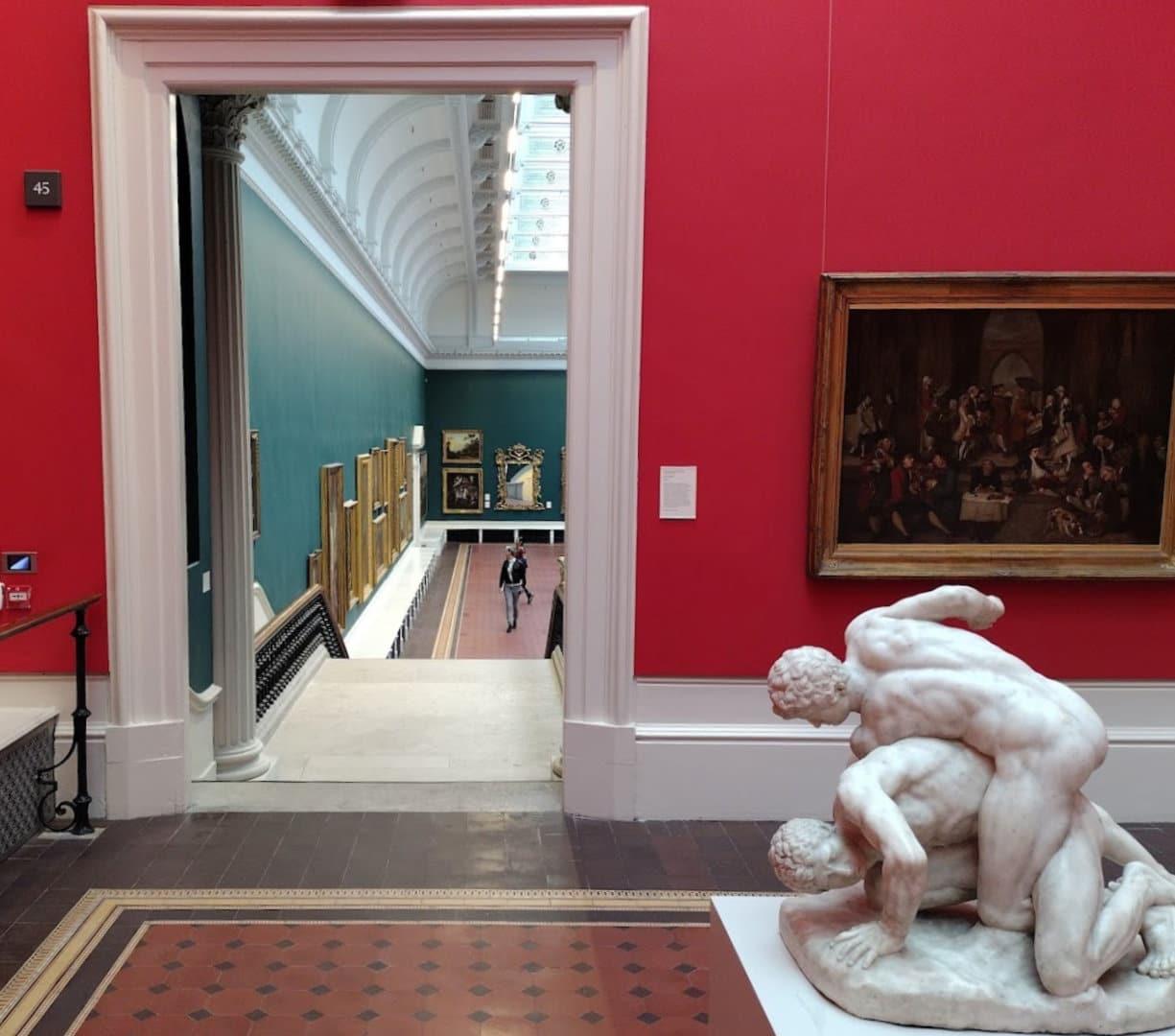
The National Gallery of Ireland is the essential starting point. Its programme includes major exhibitions and collection displays, and it anchors Dublin’s classical and Irish art identity near Merrion Square. The gallery sits within one of the city’s most elegant cultural areas, close to Georgian architecture, Trinity College and several important institutions.
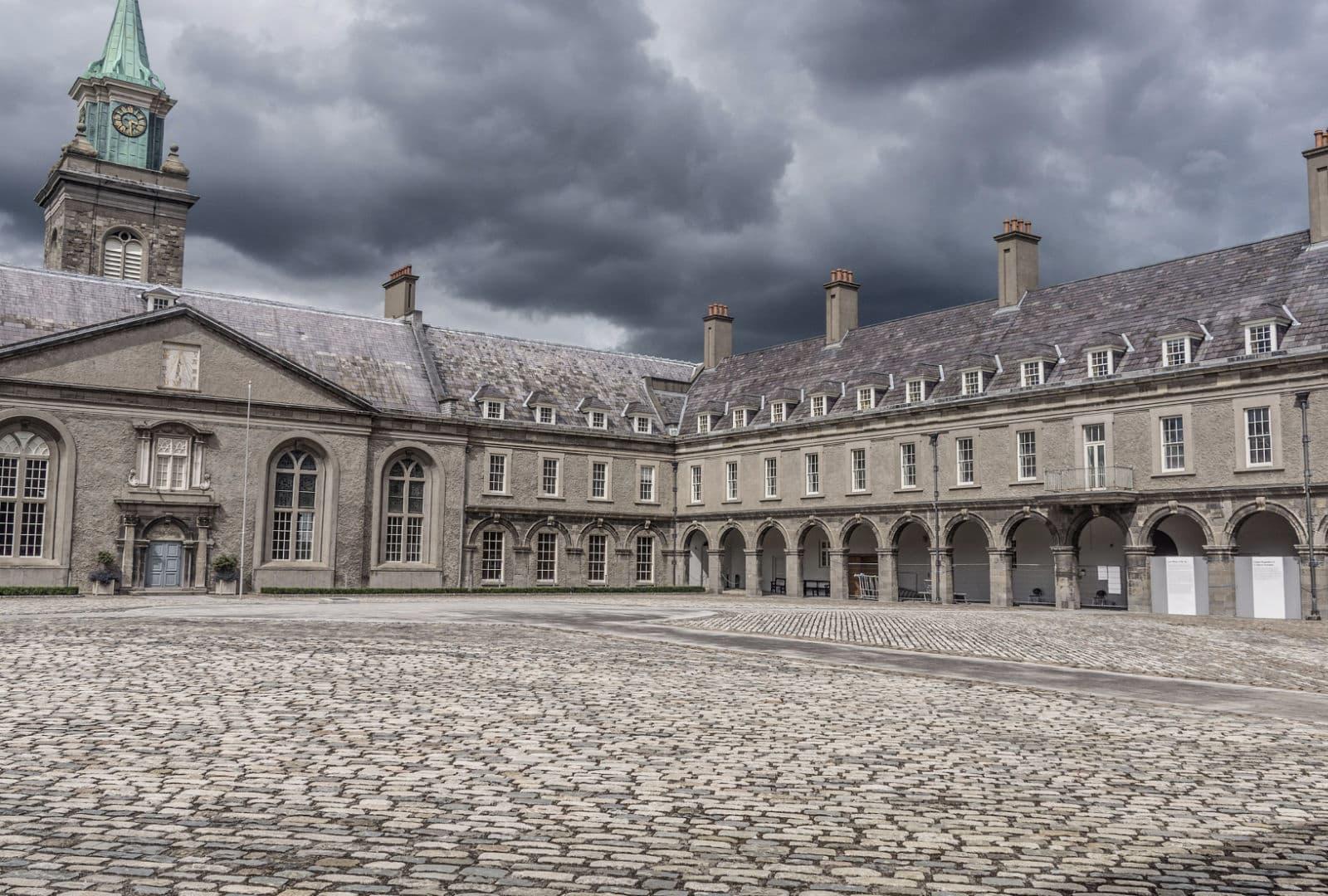
For contemporary art, IMMA — Irish Museum of Modern Art gives Dublin its strongest museum-scale contemporary anchor. It is located in the grounds of the Royal Hospital Kilmainham, combining modern and contemporary art with historic architecture and landscaped space. Visit Dublin describes IMMA as a place where inspiring art meets a restorative setting at the edge of a green route toward Phoenix Park.
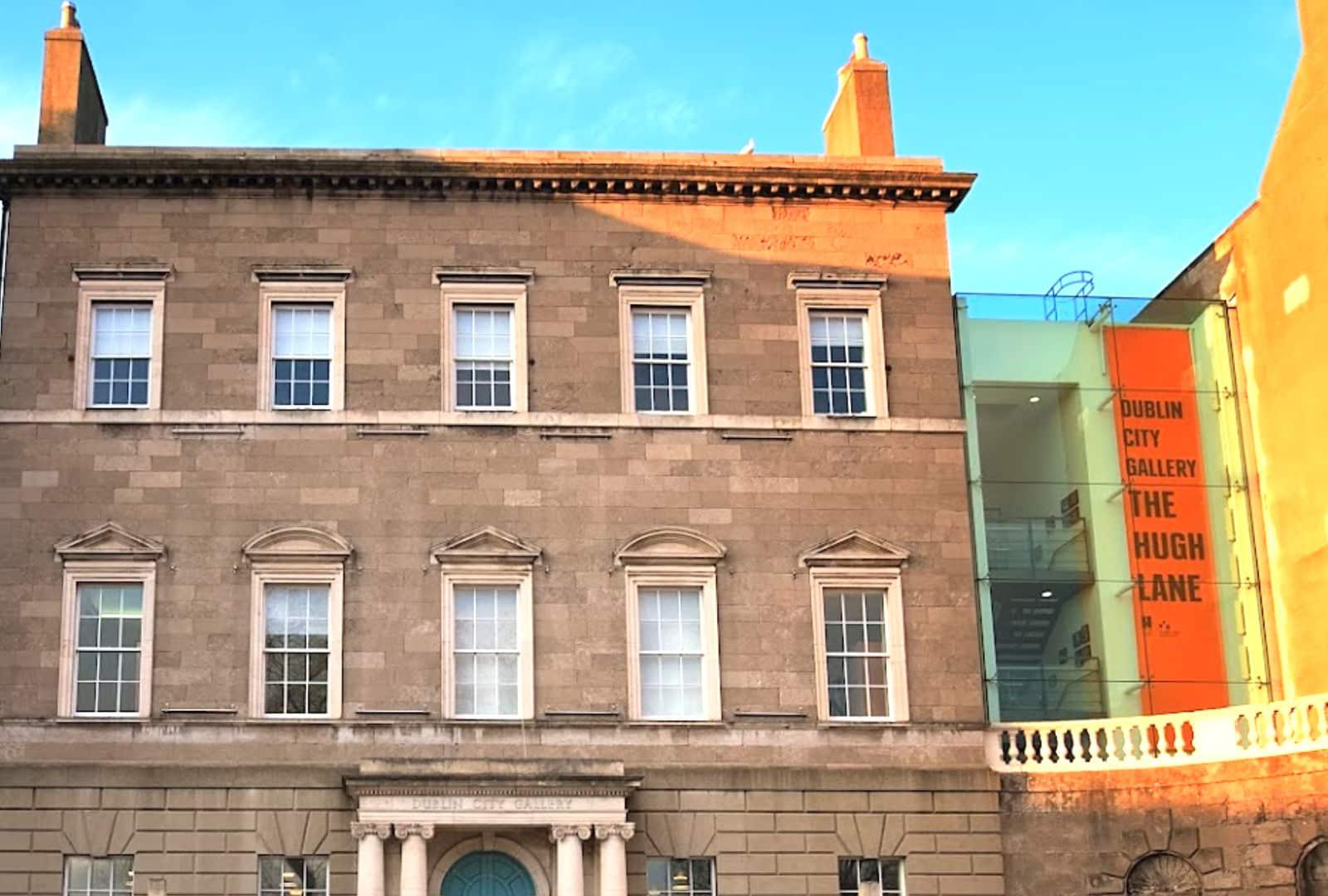
Dublin’s modern-art story is also deeply connected to Hugh Lane Gallery, founded in 1908 and home to an important collection of modern and contemporary Irish and international art, including Francis Bacon’s preserved studio. However, because the gallery is currently closed for refurbishment, it should be treated as a major institution in the city’s art identity, but not as an active visit anchor for the next few years.
The city’s contemporary scene becomes more immediate around Temple Bar, Molesworth Street, Dawson Street and the city centre, with galleries such as Temple Bar Gallery + Studios and Kerlin Gallery. Temple Bar Gallery + Studios describes itself as a leading artists’ studio complex and contemporary art gallery, founded in 1983 by artists, for artists. Kerlin Gallery, founded in Dublin in 1988, has built an international reputation and occupies a John Pawson-designed space in the city centre.
For Artlovers, Dublin works best as a slow, intelligent cultural escape: one museum, one gallery route, one Georgian square, one bookshop, one pub, and the feeling that art here is always close to words, history and conversation.
When to travel to Dublin for art lovers
Best season: May – June · September – November
Late spring is good for walking, museums, parks and galleries, while autumn is the strongest moment for Dublin’s contemporary art scene. Dublin Gallery Weekend takes place from 6–9 November, bringing visual arts programming across the city’s galleries and cultural spaces.
March can also be interesting for contemporary collectors and art travelers: Art Evolve 2026 takes place at the RDS in Dublin from 26–29 March 2026, presenting modern and contemporary art from Irish galleries and artists.
Artlovers Tip:
Go in November for gallery energy, or in late spring for a softer cultural weekend: National Gallery, IMMA, Temple Bar, bookshops, Georgian streets and one slow walk through the city.
Links we trust
Keep exploring
Art Districts