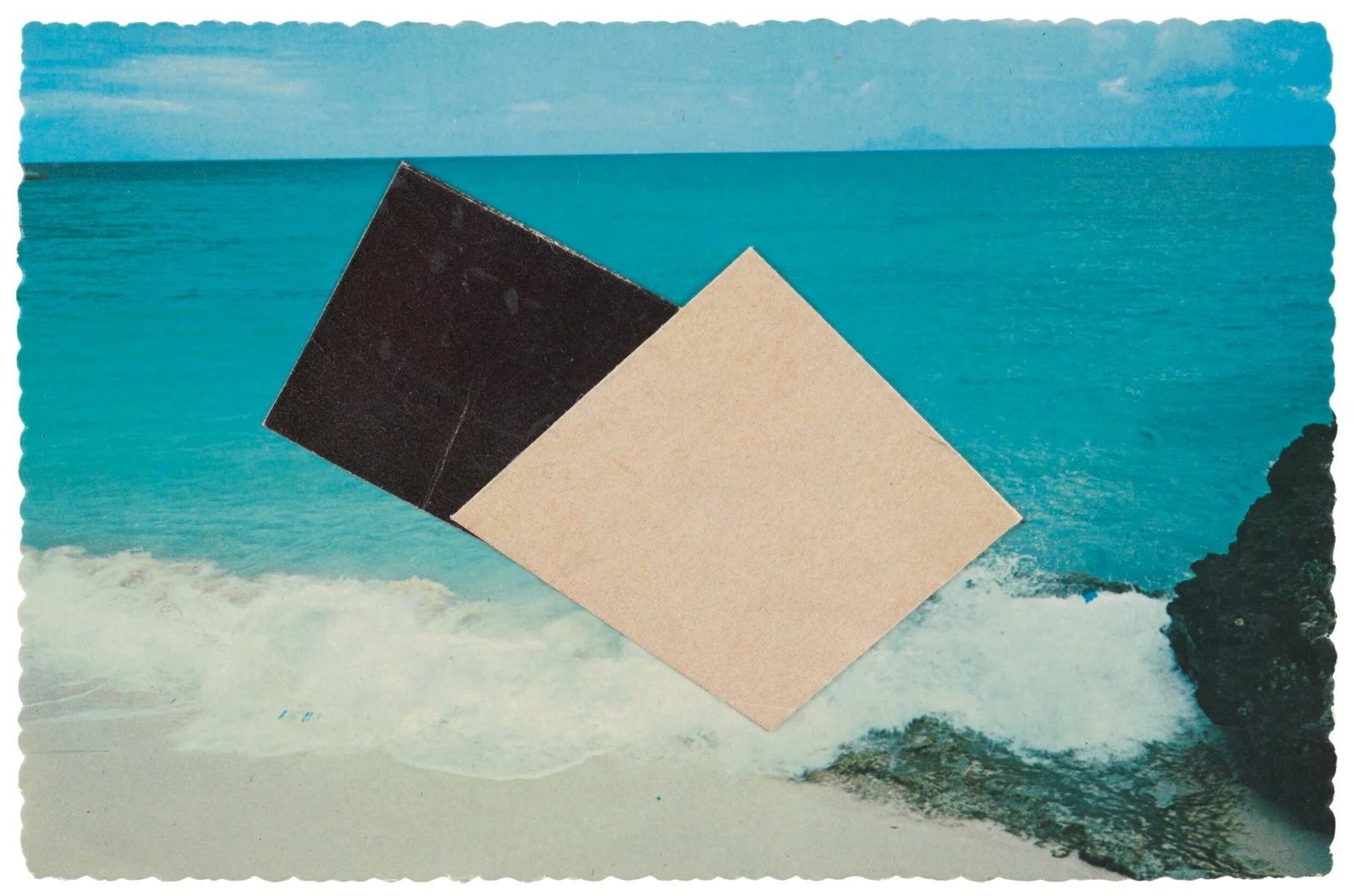
Ellsworth Kelly – At the Edge of Water
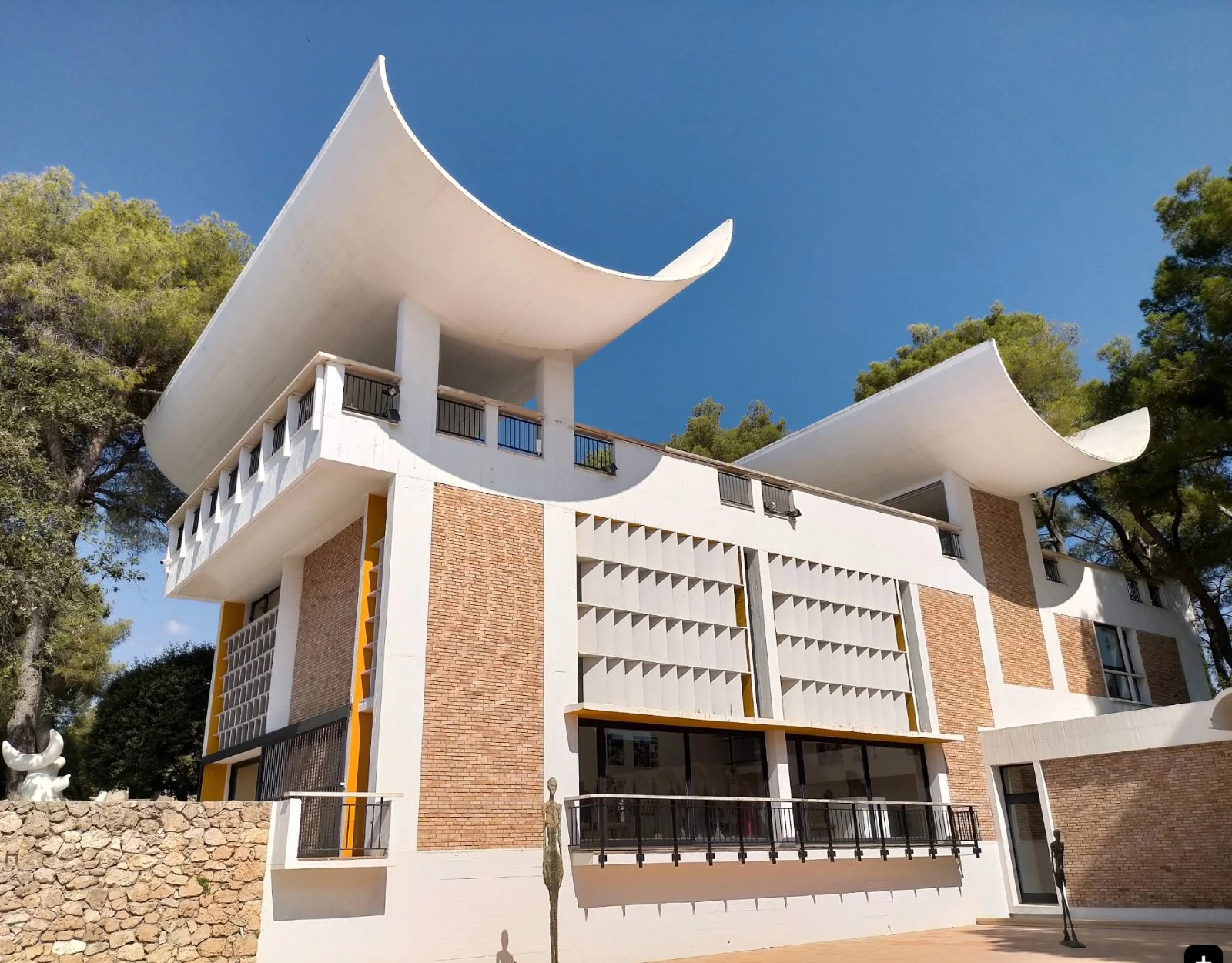
Fondation Maeght — Saint-Paul-de-Vence
Abstract Expressionism
Antibes is an art destination in France with 2+ museums and galleries — including Fondation Maeght — Saint-Paul-de-Vence, Fondation Hartung-Bergman — and 1 exhibitions currently on view.
Antibes is a Mediterranean art escape where Picasso, modernist architecture, sea light and the Côte d’Azur landscape come together in a compact historic town.
Worth the trip if you love:
Picasso · Nicolas de Staël · modern art · artist studios · Mediterranean light · sculpture · architecture · artist foundations · art + sea.
What makes it a destination for art lovers
Antibes is worth the trip because Picasso is inseparable from the city’s identity. The artist lived and worked in the Château Grimaldi, overlooking the Mediterranean, and the building became the Musée Picasso in 1966 — the first museum dedicated to Picasso during his lifetime. Today, the museum combines Picasso’s works with a broader collection of modern and contemporary art. (antibesjuanlespins.com)
But Antibes is more than Picasso. The city has a strong connection to Nicolas de Staël, whose final studio was in Antibes, as well as to artists including Monet, Boudin and Léger who were attracted by the Côte d’Azur's exceptional light.
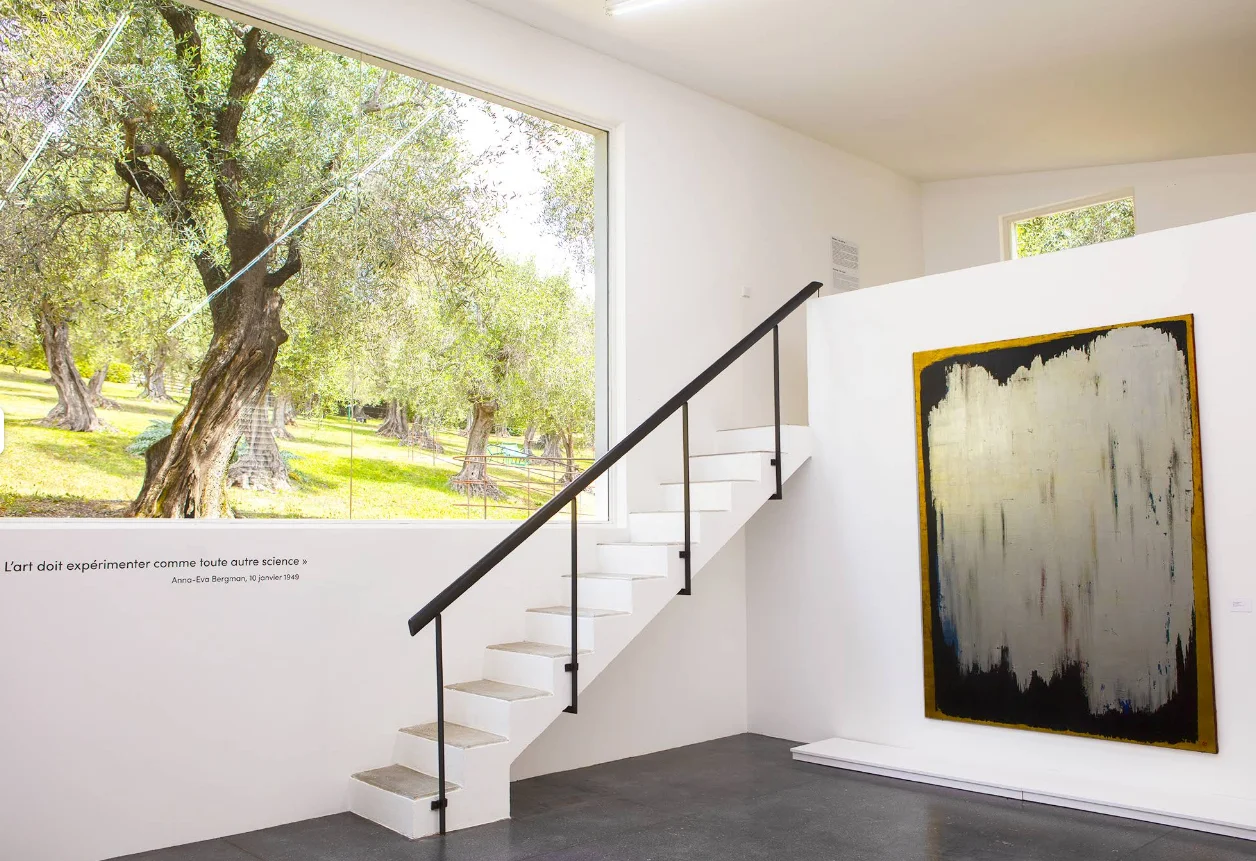
The wider destination also includes the Fondation Hartung-Bergman in nearby Antibes, one of the most important artist foundations on the Côte d’Azur, dedicated to Hans Hartung and Anna-Eva Bergman.
Worth the Trip?
Absolutely — particularly for an art-focused Côte d’Azur trip.
Antibes has an unusually strong art-to-place relationship: Picasso in the Château Grimaldi, de Staël's final years, Hartung and Bergman's studios, and the Mediterranean landscape that connects them all.
For Artlovers, I would position Antibes as “the artist city of the Côte d’Azur” rather than simply another Riviera destination.
Come for Picasso. Stay for the light.
Art in Antibes
Antibes has a special place in modern art history because artists came here not simply to paint the Mediterranean, but to experiment with how light, colour and landscape could transform modern painting.
The central experience is the Musée Picasso, housed in the Château Grimaldi above the sea. Picasso worked there in 1946 and left a significant group of paintings, drawings and ceramics to the city. The museum's setting is extraordinary: art occupies a medieval castle overlooking the Mediterranean, creating an unusually direct relationship between artwork, architecture and landscape. (antibesjuanlespins.com)
Antibes also has a strong Nicolas de Staël connection. The artist moved to Antibes in 1954 and established his final studio in the town. The intense Mediterranean light and sea horizon became central to his late paintings. For Artlovers, following the city through Picasso and de Staël gives Antibes a particularly strong modern-art narrative.
The nearby Fondation Hartung-Bergman adds another dimension. Located in the hills of Antibes, the former home and studios of Hans Hartung and Anna-Eva Bergman preserve the artists’ working environment and provide a rare opportunity to experience art through the original studio landscape.
Beyond the institutions, Antibes itself is part of the experience. The old ramparts, harbour, stone streets, Mediterranean vegetation and views toward the Cap d’Antibes create exactly the kind of slow visual journey that works for Artlovers.
This is not a city for museum-hopping. It is an artist-city destination: one great museum, one artist foundation, a historic centre, galleries and the landscape that inspired generations of artists.
When to travel to Antibes for art lovers
Best season: April – June · September – October
Spring and early autumn are ideal for an art trip to Antibes. The Mediterranean light is beautiful, temperatures are comfortable for walking and the old town, museums, galleries and Cap d’Antibes can be combined without the intensity of the summer season.
Artlovers Tip:
September and October are particularly good if you want the combination of Picasso + Hartung-Bergman + galleries + Cap d’Antibes without experiencing the peak Côte d’Azur crowds.
Keep exploring
Art Districts