Dates
The story behind it
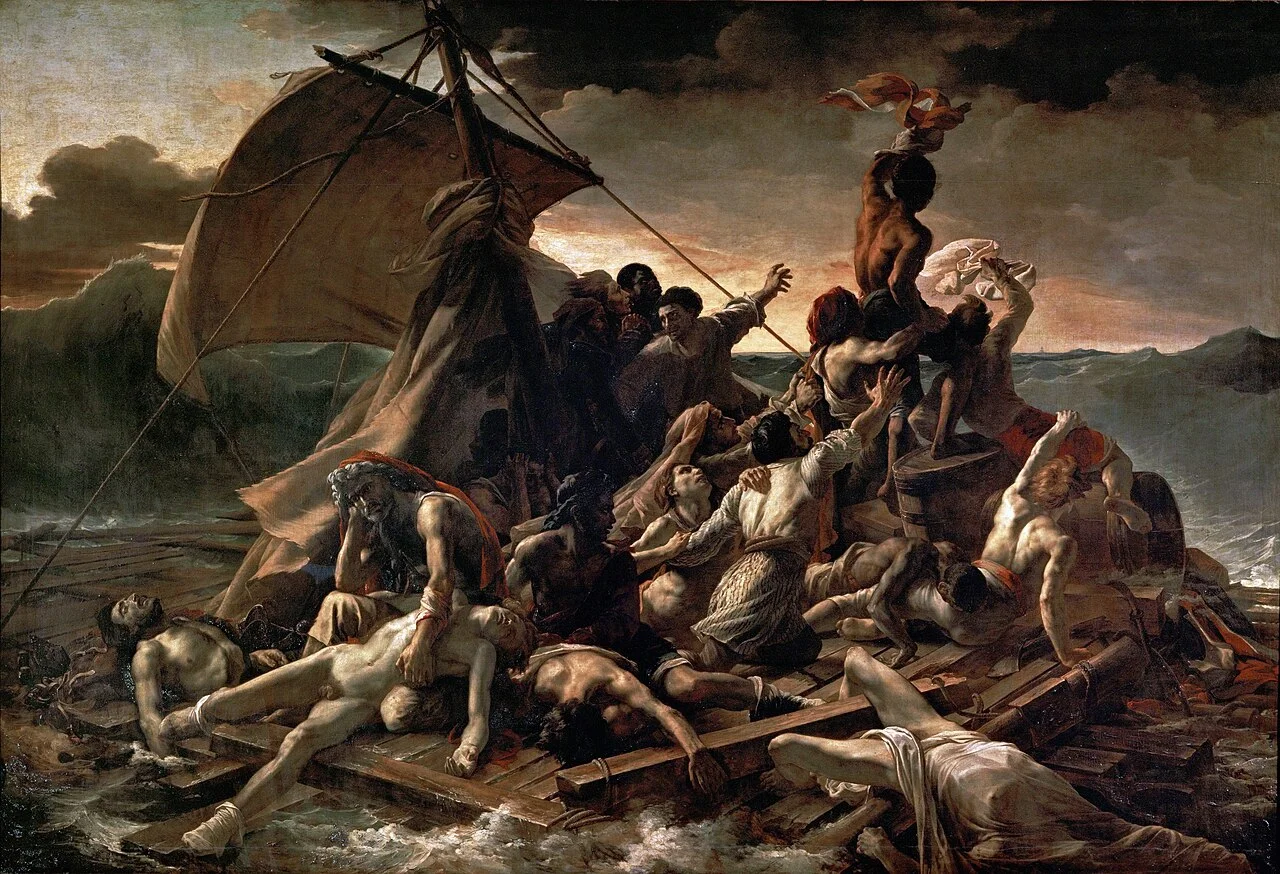
Théodore Géricault's "The Raft of the Medusa" is a monumental oil painting that catapulted French Romanticism into the artistic spotlight. Completed in 1819, it depicts the harrowing aftermath of the 1816 shipwreck of the French frigate Méduse, off the coast of present-day Mauritania. The painting captures a specific moment: the remaining survivors, after 13 days adrift, spotting a distant rescue ship. This was no mere maritime disaster; it was a political scandal fueled by the incompetence of the ship's captain, appointed through political favoritism. Géricault, fascinated by the event and its wider social implications, chose this controversial subject to launch his career, knowing it would spark intense debate.
The painting's power lies in its dramatic composition and unflinching realism. Géricault meticulously researched the event, interviewing survivors and studying corpses in morgues to accurately portray the suffering and despair of those stranded on the raft. He used a pyramidal structure to guide the viewer's eye from the dead and dying at the base, upwards to the hopeful figures waving towards rescue. The artist's somber palette of browns and muted flesh tones heightens the sense of tragedy and emphasizes the bleakness of the scene. The immense scale of the canvas further immerses the viewer, making them a participant in the drama.
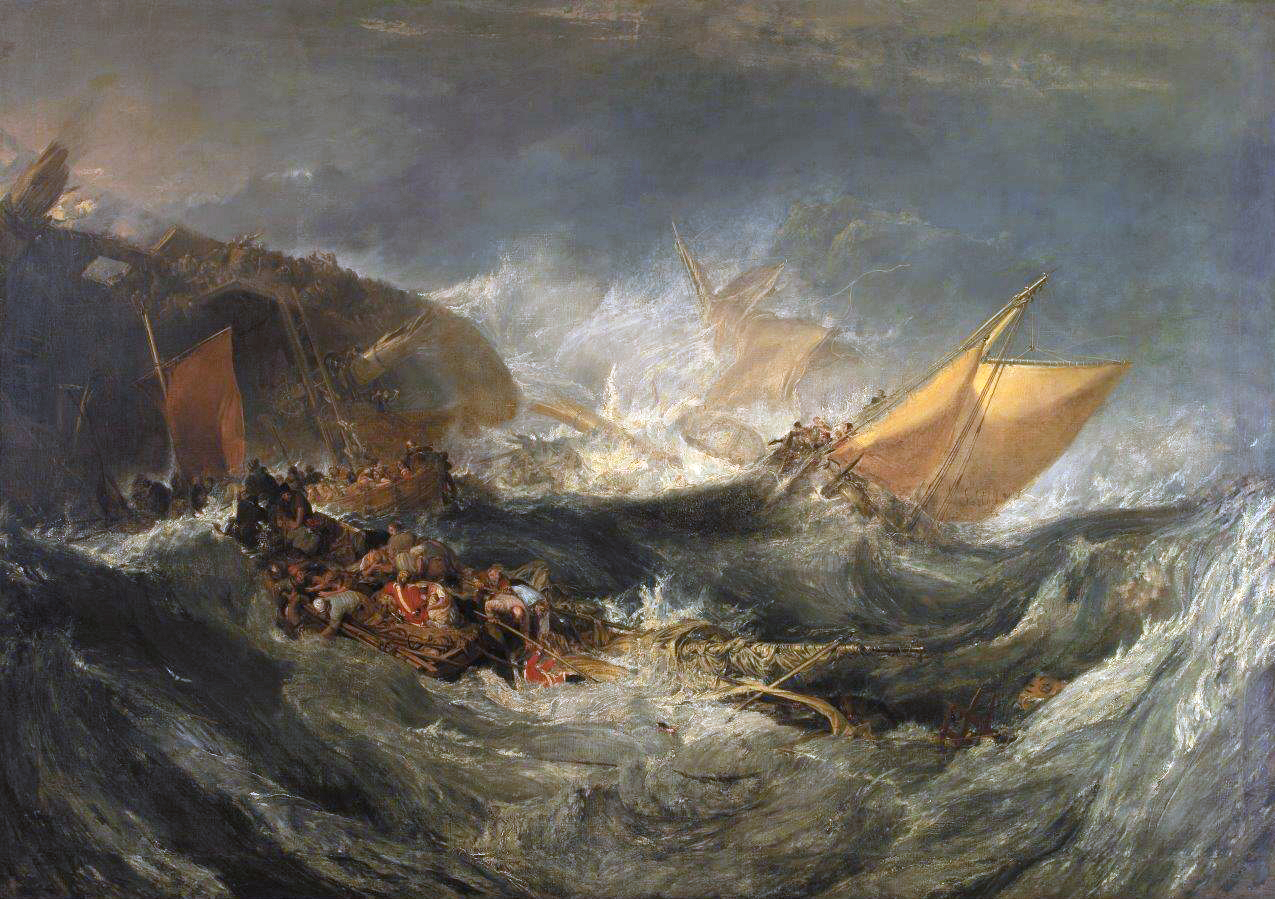
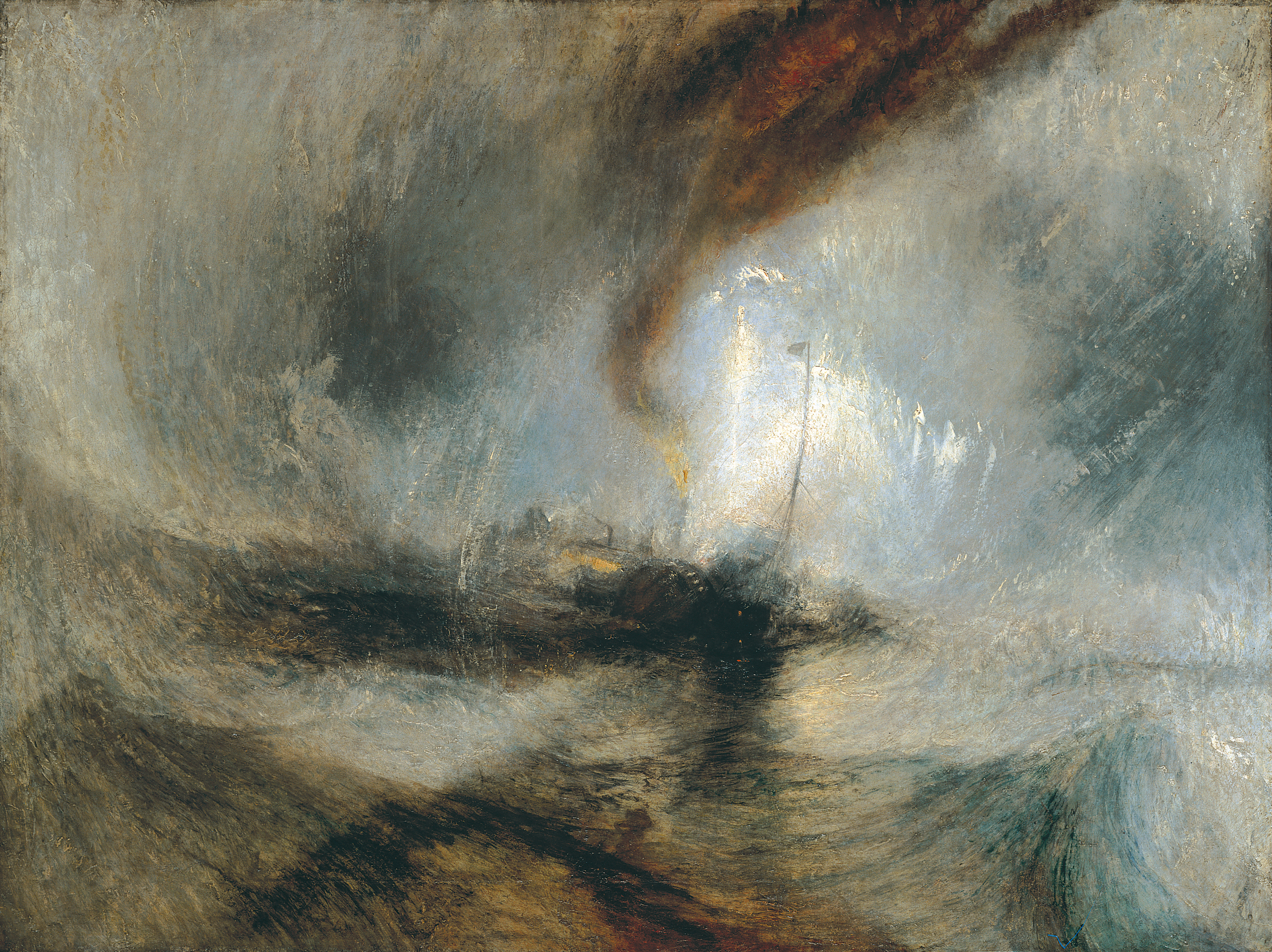
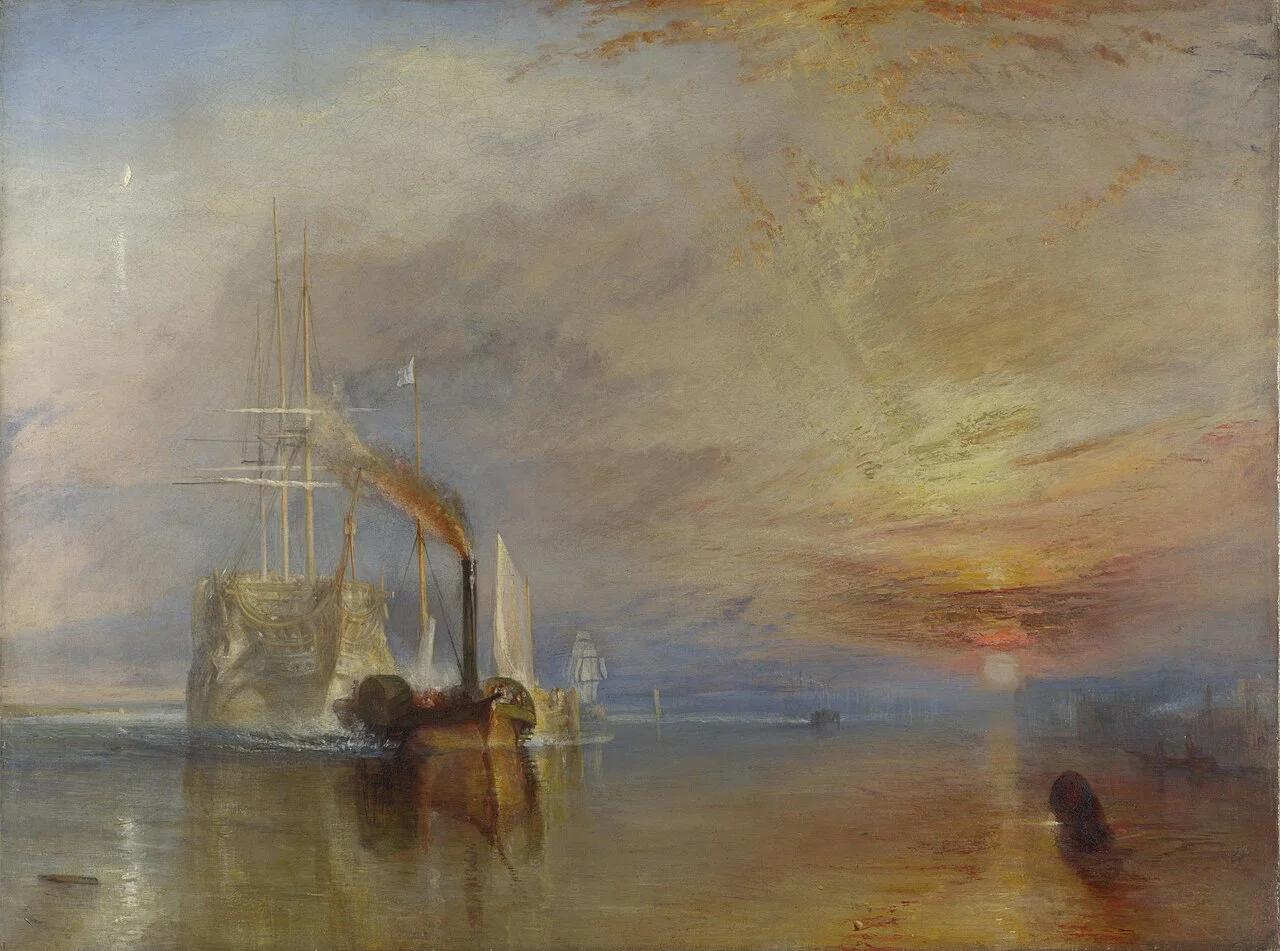
"The Raft of the Medusa" is significant not only for its dramatic portrayal of a historical event but also for its departure from the Neoclassical style that dominated the art world at the time. Géricault embraced intense emotion and a raw, realistic depiction of human suffering, paving the way for the Romantic movement and influencing generations of artists such as Delacroix, Turner, Courbet, and Manet. It serves as a powerful reminder of human resilience, the consequences of political incompetence, and the enduring power of art to confront uncomfortable truths. The painting's focus on the human body and its suffering influenced artists like Michelangelo and Rodin. Its continued presence in the Louvre ensures its message and artistic impact resonates with audiences today.
See it like an Artlover
The Raft of the Medusa
Hours & rating from Google