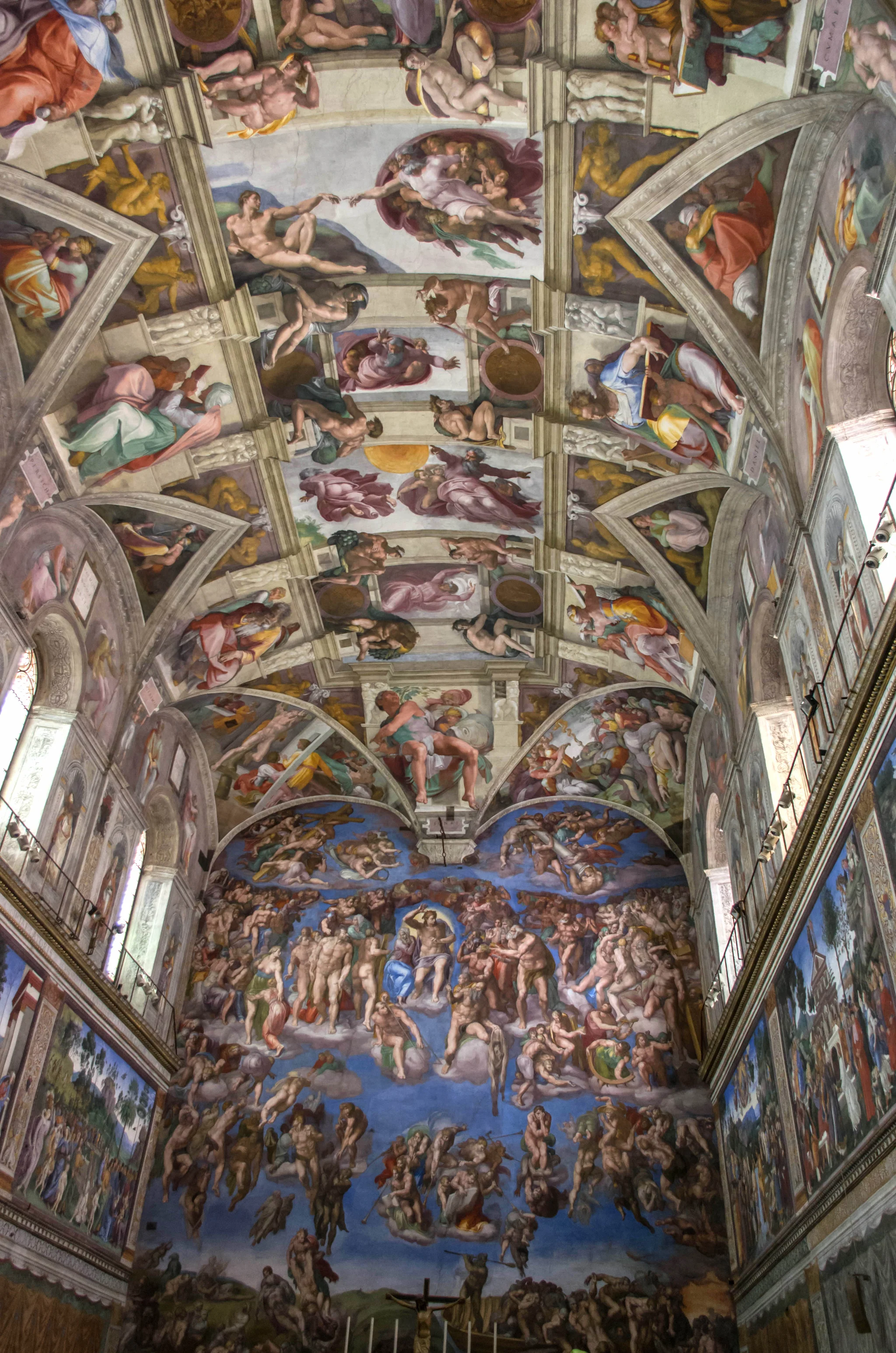
The ceiling that turned a chapel into the sky of Western art.
Dates
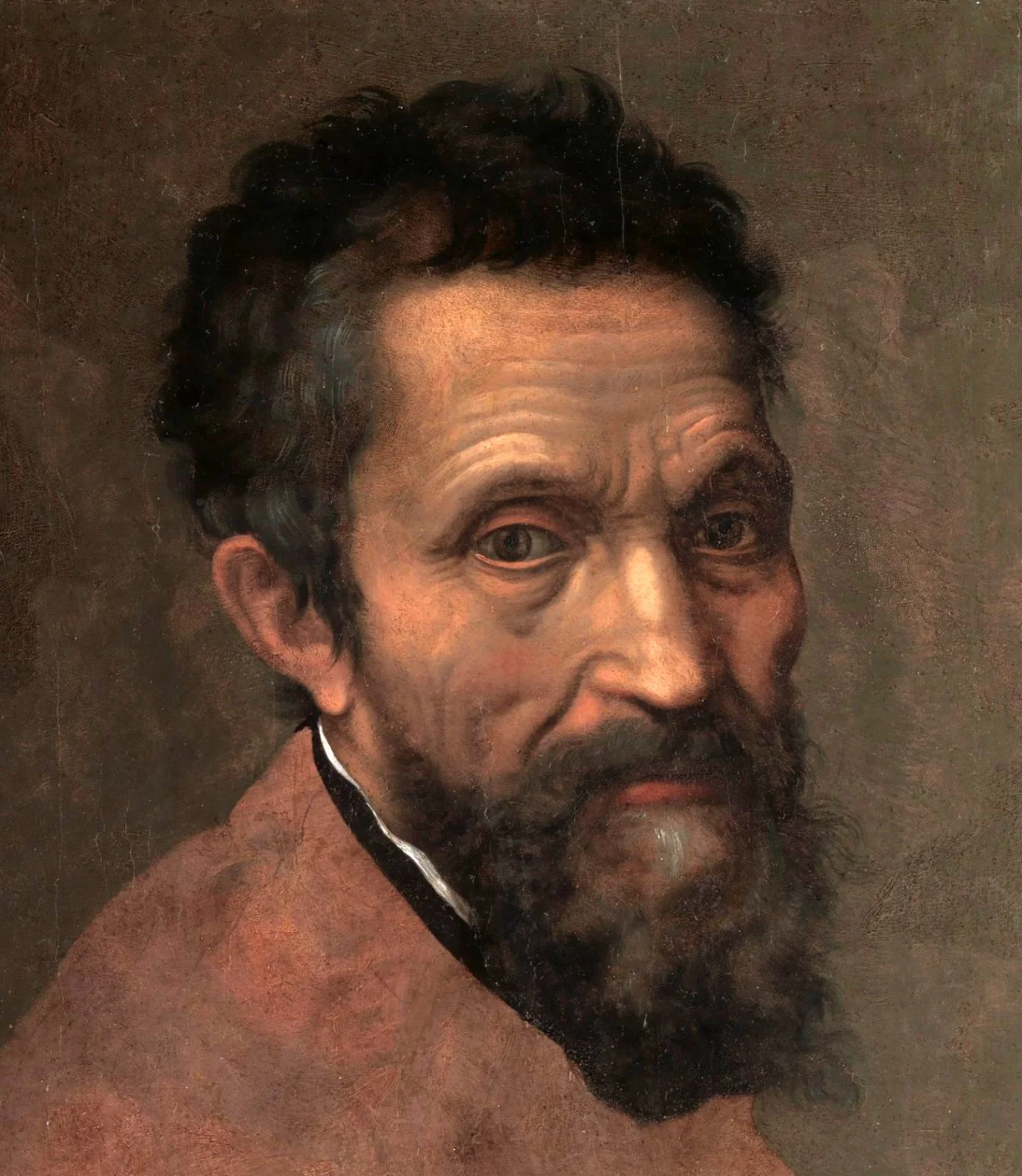
Meet the artist
More details
- Original title
- Volta della Cappella Sistina
- Movement
- High Renaissance
- Medium
- Fresco
- Genre
- Religious Painting
- Dimensions
- 40 × 13 meters
The story behind it
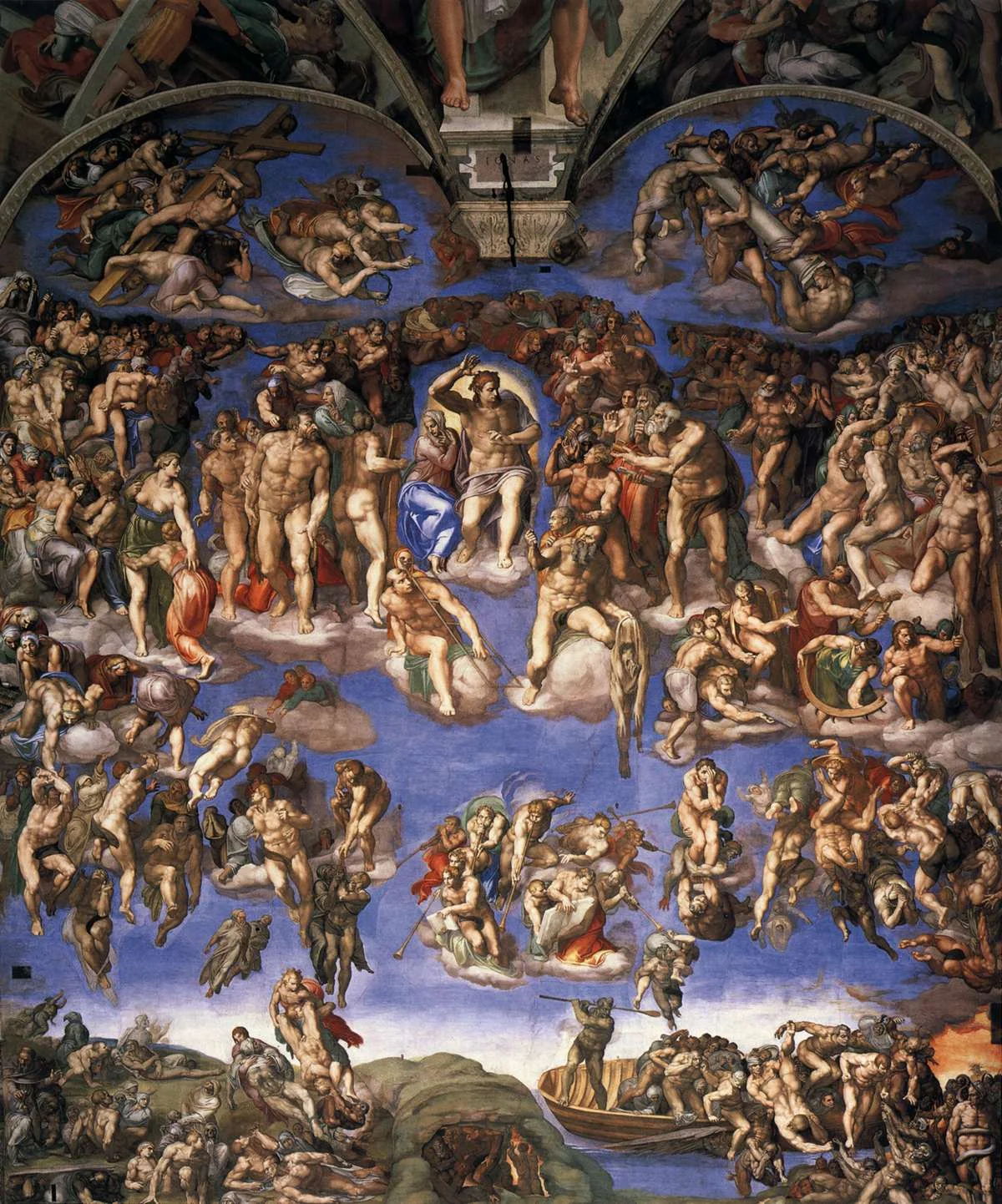
The Sistine Chapel ceiling, a breathtaking fresco masterpiece painted by Michelangelo between 1508 and 1512, stands as a cornerstone of High Renaissance art.
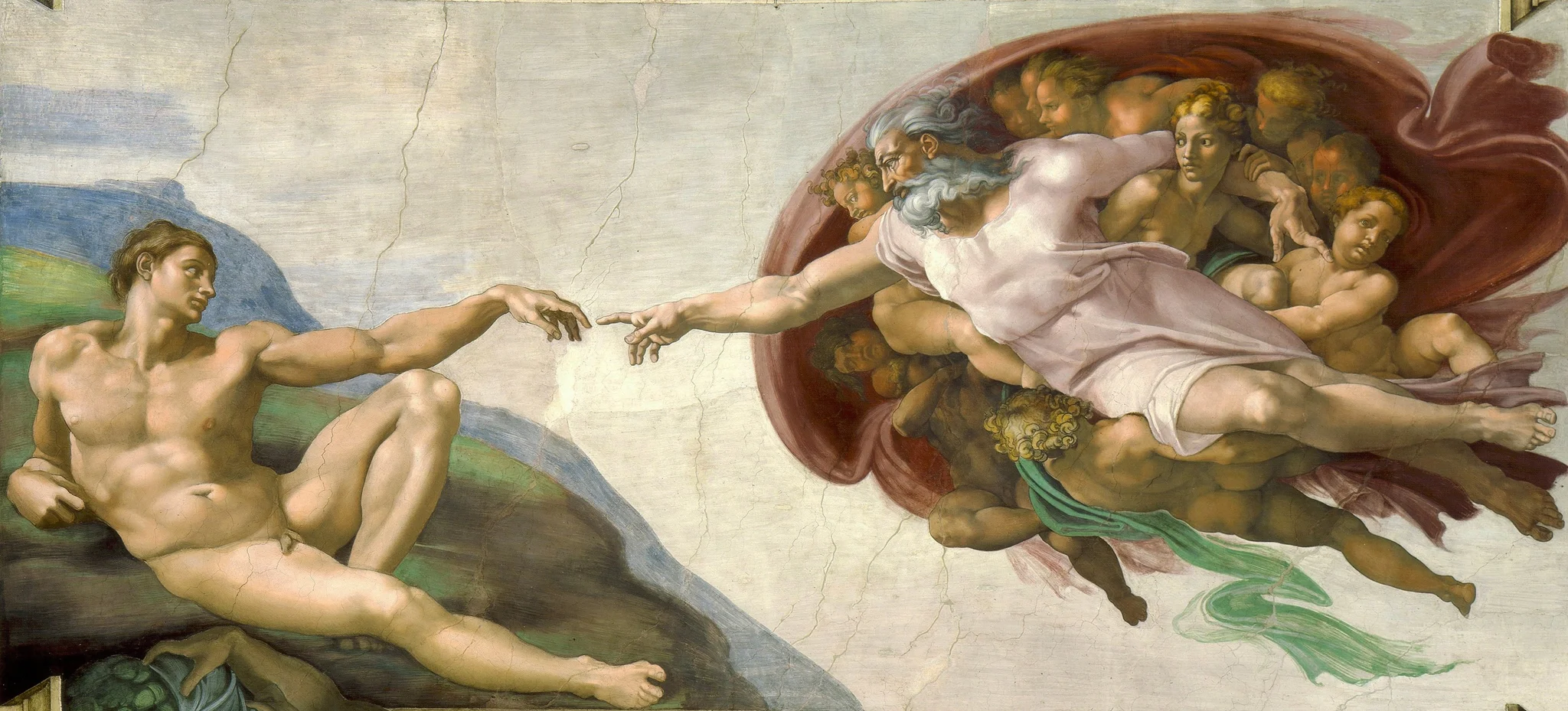
The ceiling dramatically transformed the space, shifting it from a simple, star-studded blue expanse to a dynamic narrative showcasing scenes from the Book of Genesis. At the heart of the ceiling are nine central panels, including the iconic "Creation of Adam," which depicts the moment God imparts life to the first man. Beyond these central scenes, the ceiling is teeming with figures – prophets, sibyls, ancestors of Christ, and ignudi (nude youths) – all meticulously rendered, demonstrating Michelangelo's unmatched skill in depicting the human form in a variety of poses and emotional states. The Sistine Chapel ceiling is not merely a decorative element; it's a powerful visual expression of Catholic doctrine and a testament to human potential.
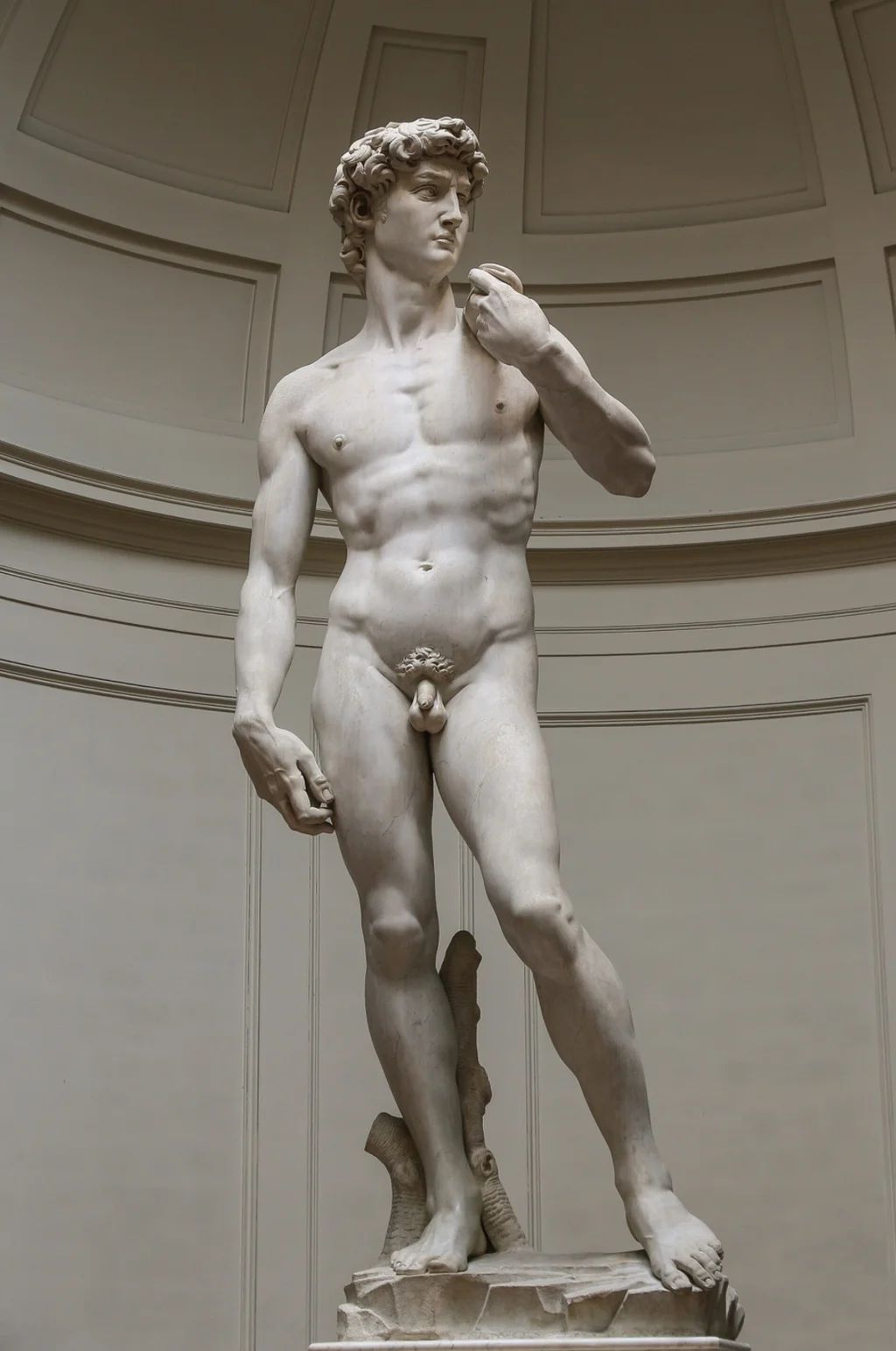
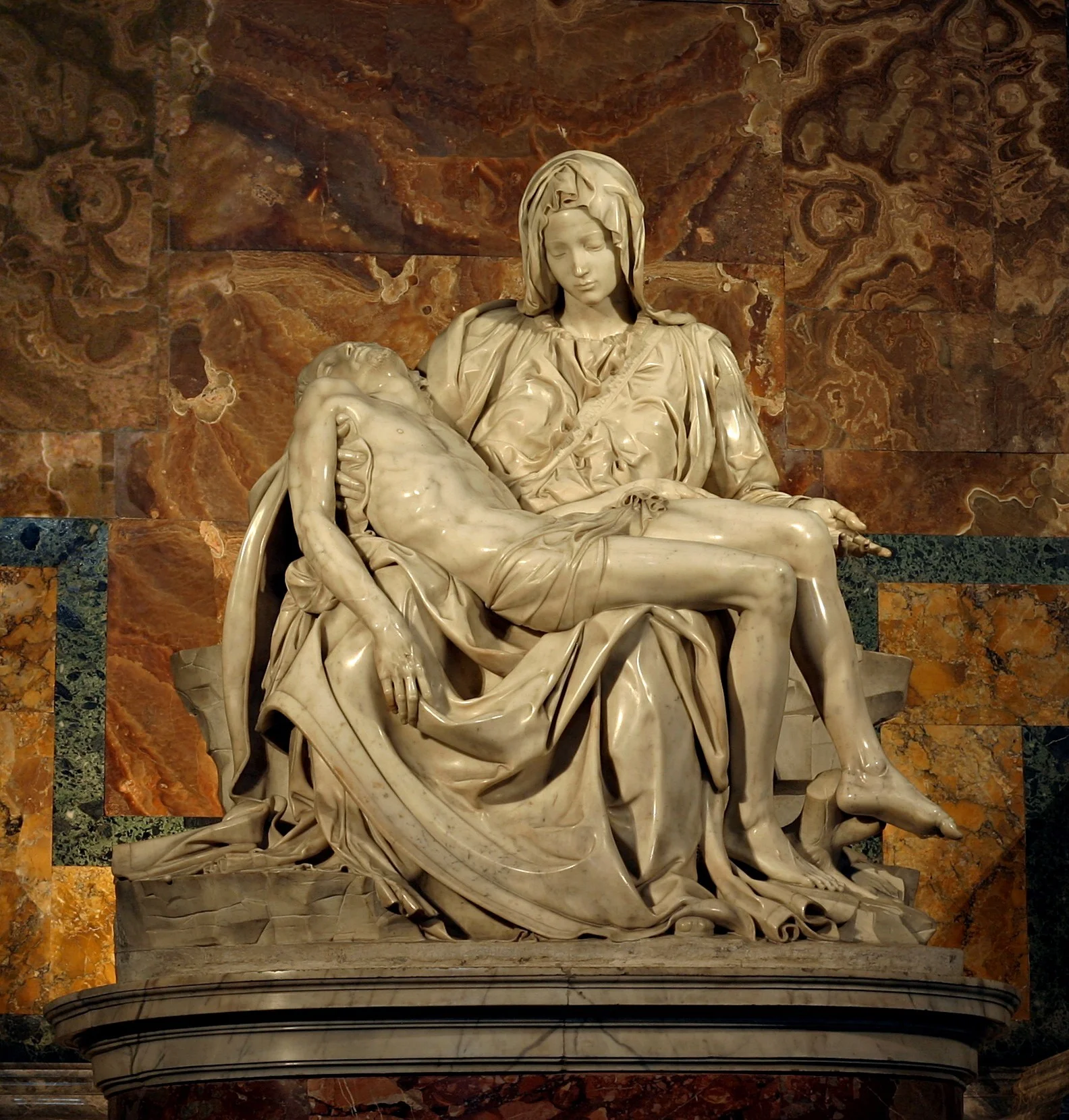
The creation of the Sistine Chapel ceiling was fraught with challenges. Michelangelo, primarily a sculptor, was initially reluctant to accept the commission, suggesting Raphael for the job, but Pope Julius II insisted.
The techniques Michelangelo employed, including his understanding of anatomy, perspective, and the fresco process itself, were groundbreaking. The scale of the project and the complexity of the composition are astounding, solidifying Michelangelo's reputation as one of history's greatest artists. The ceiling's impact was immediate, inspiring countless artists and continuing to influence artistic expression to this day.
The Sistine Chapel ceiling's significance extends far beyond its artistic merits. It resides within a space of immense historical and religious importance, the site of papal conclaves and other significant Catholic services.
The ceiling has undergone several restorations, most recently from 1980 to 1994, ensuring that future generations can appreciate the brilliance and grandeur of Michelangelo's vision. It remains a powerful symbol of the Renaissance, the papacy, and the enduring power of art to inspire awe and reverence.
Look closer
Michelangelo was primarily a sculptor, yet here he painted one of the most ambitious works in art history: hundreds of figures suspended above you, turning the human body into a language of creation, faith, tension, and genius.
Worth the journey?
Yes — absolutely worth the trip.
This is not just something to see in Rome; it is one of the reasons people travel to Rome.
Stand beneath it and you understand why art can feel bigger than architecture, religion, history, and the human body all at once.
See it like an Artlover
Enter slowly and look up immediately — the scale is overwhelming in the best possible way. Don’t try to understand every scene at first. Start with the center panels and let your eyes adjust to the rhythm of the ceiling. The experience becomes more powerful the longer you stay still beneath it. Early morning or late afternoon usually feels less chaotic and more emotional.
Artlovers Tip
Most people rush to The Creation of Adam. Instead, spend a few minutes looking at the figures surrounding it — the prophets and sibyls reveal Michelangelo’s obsession with the power and tension of the human body. The ceiling becomes even more impressive when you stop trying to “see everything” and simply experience the space.
Sistine Chapel Ceiling
Hours & rating from Google