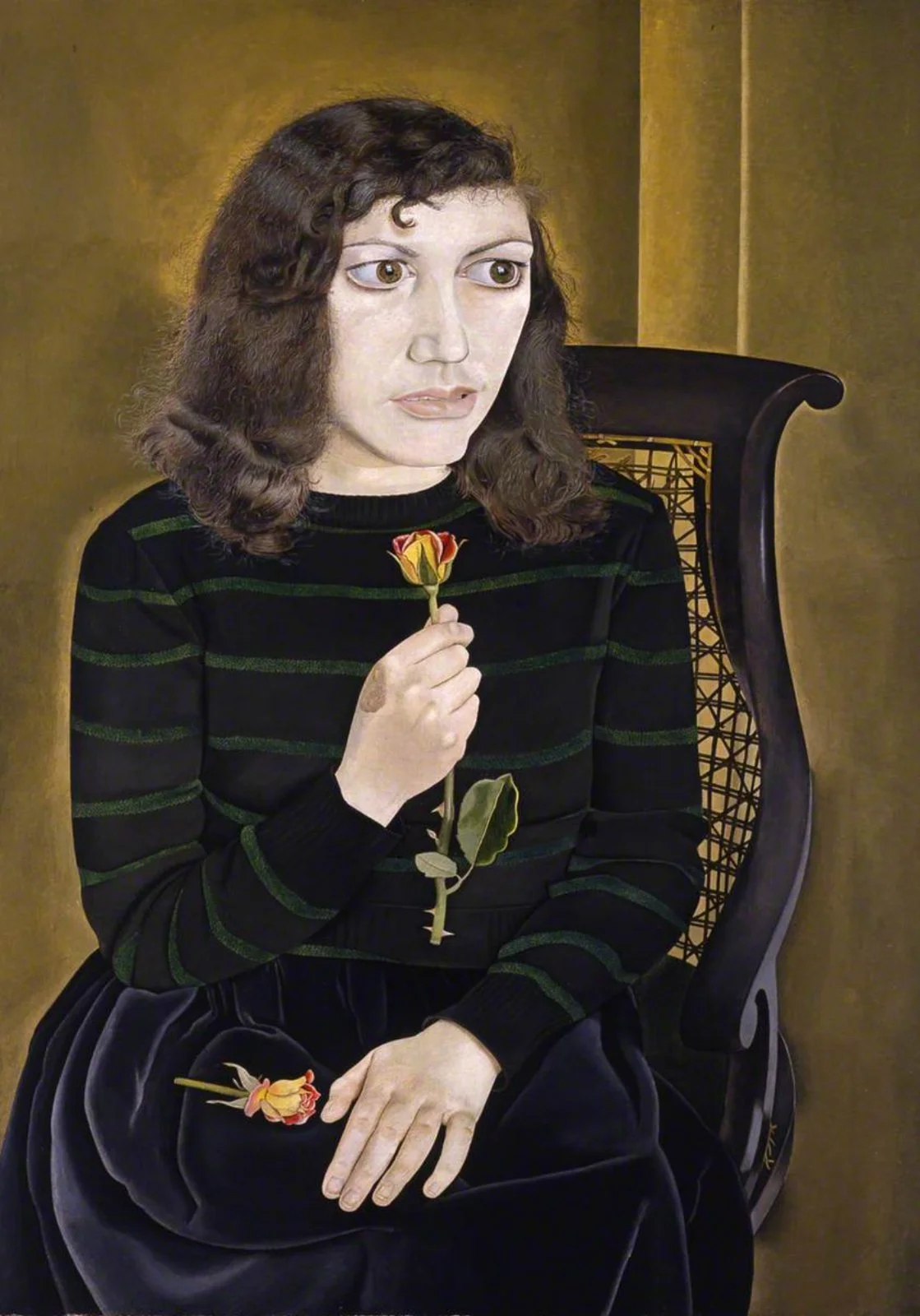
Lucian Freud painted people as if truth lived in the skin: flesh, fatigue, silence, awkward poses, exposed bodies, and faces that seem impossible to flatter.
Key Movements
Figurative, RealismA quick note
Freud is one of the great figurative painters of the 20th and early 21st centuries. He is often linked to the School of London, alongside artists such as Francis Bacon, Frank Auerbach and Leon Kossoff.
Looking at Lucian Freud means entering a room where nobody is performing.
His portraits and nudes are intense, slow, physical and psychologically exposed. Bodies are not idealised. Skin is painted with weight, colour, age, tension, vulnerability and sometimes discomfort. You feel the hours of looking behind each work.
Freud’s people often sit or lie in bare rooms, on beds, sofas, chairs or studio floors. The space is simple, but the emotional pressure is enormous. Every knee, hand, stomach, face and fold of skin becomes a kind of landscape.
He does not paint beauty in the easy sense. He paints presence.
Did you know?
He was the grandson of Sigmund Freud, the founder of psychoanalysis — and somehow that feels almost too perfect. Lucian did not paint dreams or symbols like Surrealists did, but his portraits feel deeply psychological: silent rooms, exposed bodies, tense faces, people who seem unable to hide.
Why are they important?
Lucian Freud feels relevant now because we live in a culture of edited faces, filtered bodies and fast images. His work does the opposite: it forces us to stay with the human body as something real, imperfect, heavy, alive and impossible to control.Freud is essential in person because the paint is almost bodily. The surface matters: thick, raw, slow, built over time. A reproduction shows you the subject; the real painting shows you the act of looking.He is especially powerful if you care about portraiture, psychology, the body, and artists who refuse to flatter either the sitter or the viewer.
Lucian Freud
- Born
- Died
- Nationality
- British, German
Artlovers Tip
Do not look for glamour. Look for honesty.
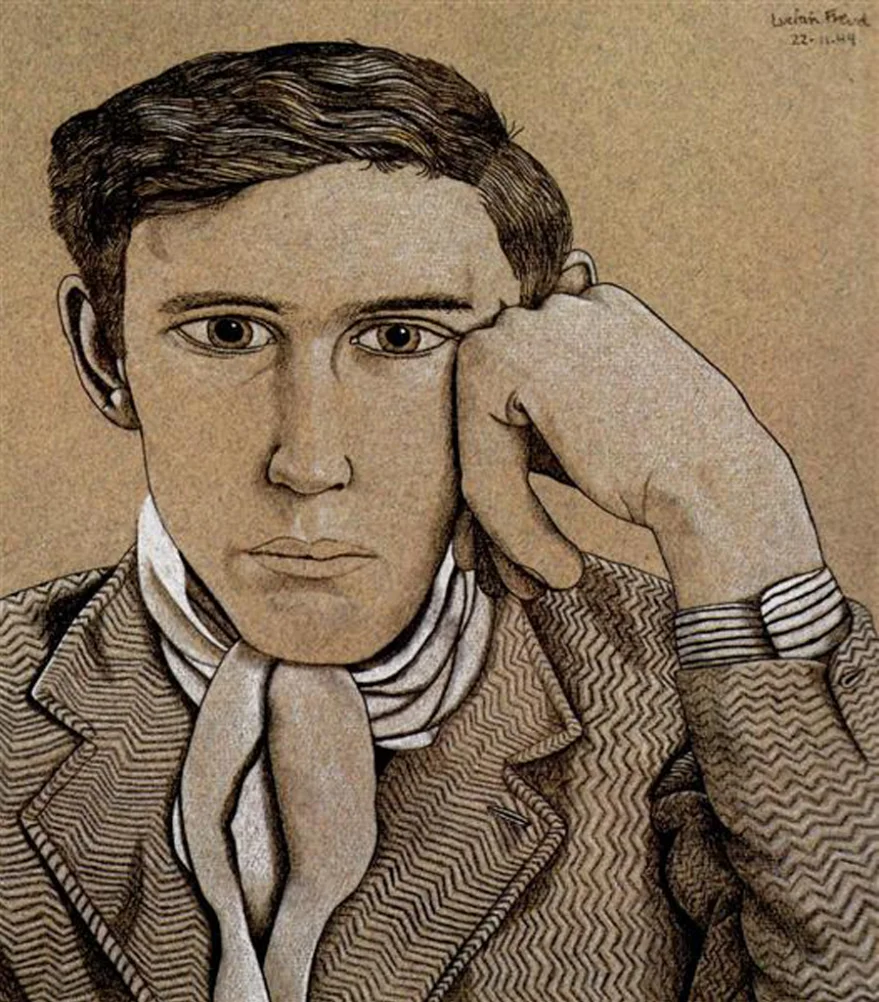
Start with the face, then move to the hands and body. Notice how Freud makes flesh feel heavy, vulnerable and alive. Then step back and ask: what kind of relationship existed between painter and sitter for this image to happen?
Freud’s paintings can feel uncomfortable — stay with that. The discomfort is part of the work. He reminds us that being seen deeply is not always pleasant, but it can be profoundly human.
On view now
Where to see them now
Plan your visit — these exhibitions are on view now.