A featured work
A black dress, a pale profile, one fallen strap… and Paris lost its mind.
More info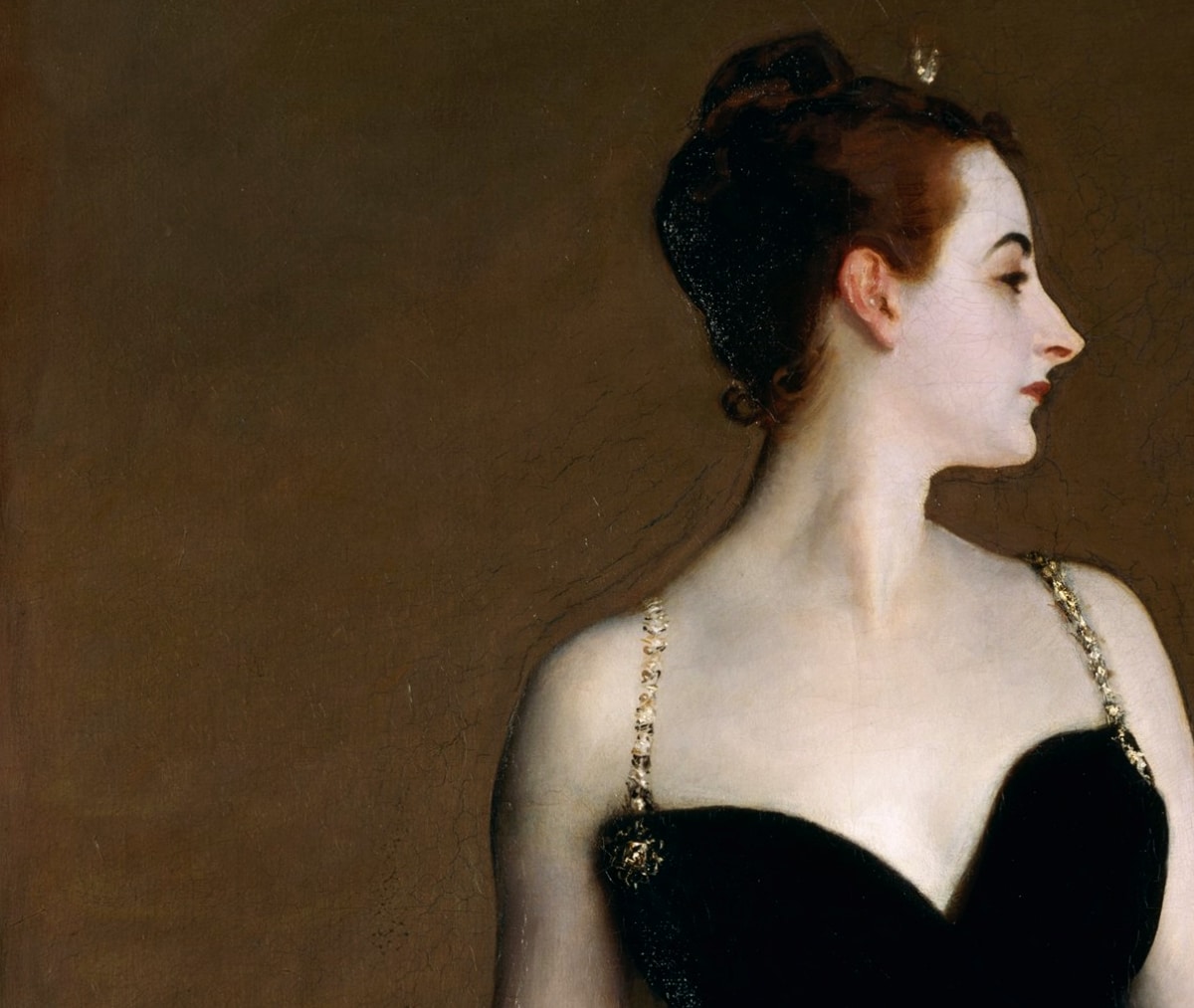
https://en.wikipedia.org/wiki/Portrait_of_Madame_X#/media/File:Madame_X_(Madame_Pierre_Gautreau),_John_Singer_Sargent,_1884_(unfree_frame_crop).jpg
John Singer Sargent painted society like theatre — silk, skin, posture and power turning into portraits that still know how to command a room.
Key Movements
Realism, Social RealismA quick note
Sargent was born in Florence to American parents and lived much of his life between Europe and the United States. The Thyssen describes him as the most famous society portraitist of the last third of the nineteenth century.
Sargent does not fit neatly into one movement. He trained in the academic world, absorbed Velázquez and the old masters, understood Impressionist light, and became the great painter of modern elegance.
He is best known for oil portraits, but his watercolors are essential: looser, brighter, more intimate, and often connected to travel.
Most Famous Artworks
- Portrait of Madame X — The Metropolitan Museum of Art, New York
- Carnation, Lily, Lily, Rose — Tate Britain, London
- The Daughters of Edward Darley Boit — MFA Boston
- El Jaleo — Isabella Stewart Gardner Museum, Boston
- Lady Agnew of Lochnaw — Scottish National Gallery, Edinburgh
- Dr. Pozzi at Home — Hammer Museum, Los Angeles
- Gassed — Imperial War Museum, London
- Mrs. Carl Meyer and Her Children — Tate Britain, London
- Nonchaloir / Repose — National Gallery of Art, Washington, D.C.
- Venetian watercolors — major collections including Brooklyn Museum and MFA Boston
Best destinations: Boston, New York, London, Madrid and Venice.
Did you know?
Madame X almost destroyed his Paris career.
When Sargent exhibited the portrait of Virginie Amélie Gautreau at the Paris Salon in 1884, the reaction was scandalous. The pose, the dress and especially the original fallen strap were considered too provocative. The controversy damaged his reputation in Paris and helped push him toward London, where he rebuilt his career.
Today, the same painting is one of the most magnetic portraits in American art.
Why are they important?
Sargent matters because he made portraiture feel alive again.He did not simply paint rich people in beautiful clothes. He captured performance: how people wanted to be seen, how society staged itself, and how identity could be built through fabric, gesture and attitude.His brushwork is fast, elegant and almost cinematic. A hand, a shoulder strap, a flash of satin or the tilt of a head can say more than a full biography.Sargent feels very contemporary because we still live in a world of image-making.
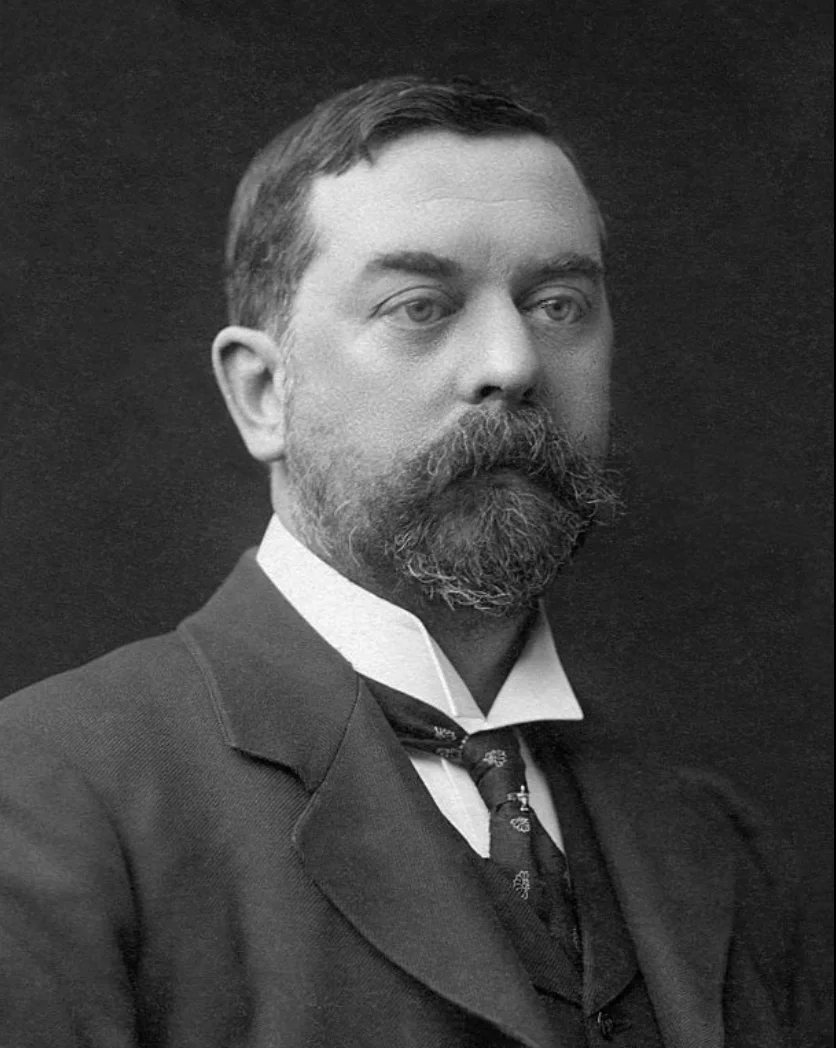
John Singer Sargent
- Born
- Died
- Nationality
- American