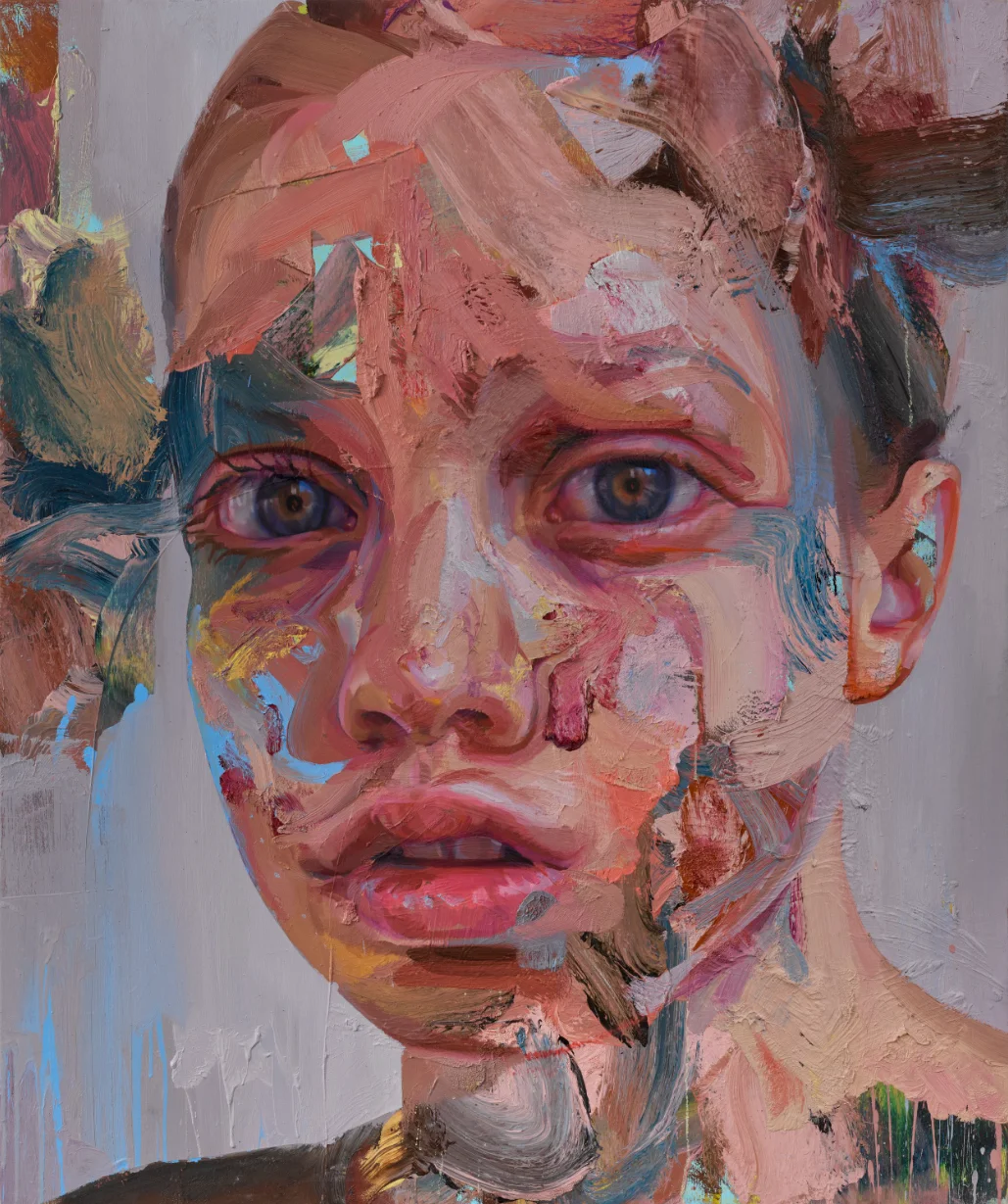
Jenny Saville paints the body without asking it to be beautiful, perfect, small, or acceptable. Her work is flesh, pressure, vulnerability, power — and painting at full volume.
Key Movements
Contemporary Art, Feminist Art, Figurative, Figurative Expressionism, Neo-ExpressionismA quick note
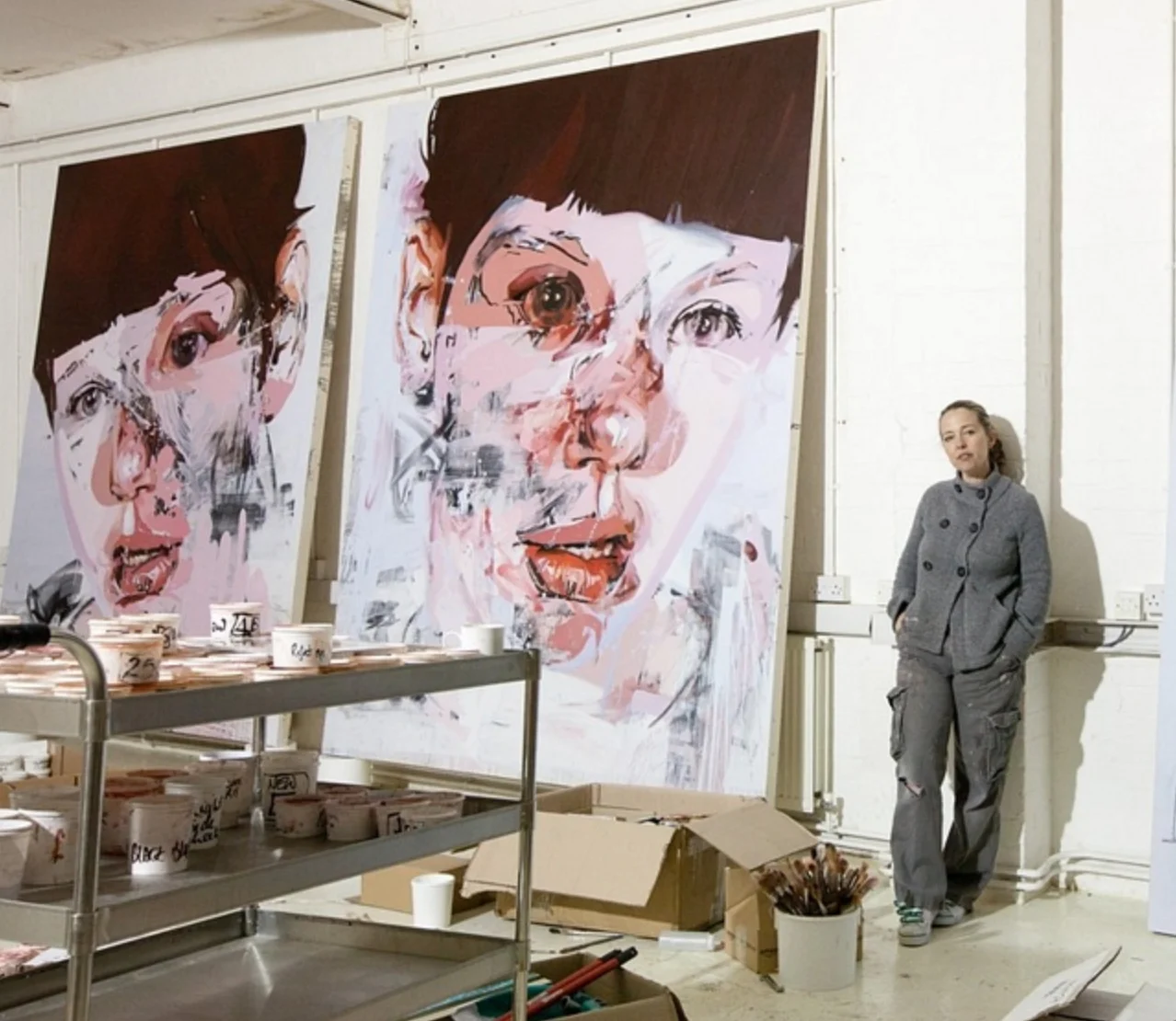
Jenny Saville (born 1970, Cambridge) is a British painter known for monumental depictions of the human body at confrontational scale. One of the Young British Artists supported by Charles Saatchi.
Contemporary figurative painting · Young British Artists · Feminist art · Neo-expressionist body painting
She became known in the early 1990s after studying at the Glasgow School of Art, and has played a major role in bringing figurative painting back to the centre of contemporary art.
Looking at Jenny Saville means confronting the body as a landscape.
Her paintings are often large, raw, physical and unapologetic. Skin is not smooth or idealised; it is stretched, marked, bruised, folded, scarred, painted in thick layers. The body becomes something monumental — not an object to be judged, but a territory to be looked at honestly.
Saville takes the long history of the nude — from Renaissance painting to modern figuration — and pushes it into the present: surgery, gender, motherhood, flesh, violence, beauty standards, vulnerability, and power. Her figures do not pose to please. They occupy space.
Did you know?
She became known in the early 1990s after studying at the Glasgow School of Art, and has played a major role in bringing figurative painting back to the centre of contemporary art.
But when she moved to New York after the success of her first shows in 1994, she spent long hours observing the work of a plastic surgeon based in the city. Taking photographs while standing in on cosmetic surgeries and liposuctions, she observed. On some of her most famous nude paintings, women’s bodies show the lines that surgeons typically draw on patient’s before undergoing liposuctions.
Why are they important?
Jenny Saville feels essential now because her work speaks directly to our time: body image, identity, the female gaze, the pressure of beauty, and the politics of being seen.In a world obsessed with filters, perfection and digital bodies, Saville brings us back to flesh — heavy, human, imperfect, alive.Yes. Especially if you want to understand why painting still matters. Her works need to be seen in person because scale is everything: the body becomes almost architectural, and the paint itself feels like skin, wound, movement and memory.Her major UK museum exhibition, Jenny Saville: The Anatomy of Painting, at the National Portrait Gallery, brought together 45 works from across her career and confirmed her place as one of the key figurative painters of our time.
Jenny Saville
- Born
- Nationality
- British
Artlovers Tip
On view now
Where to see them now
Plan your visit — these exhibitions are on view now.