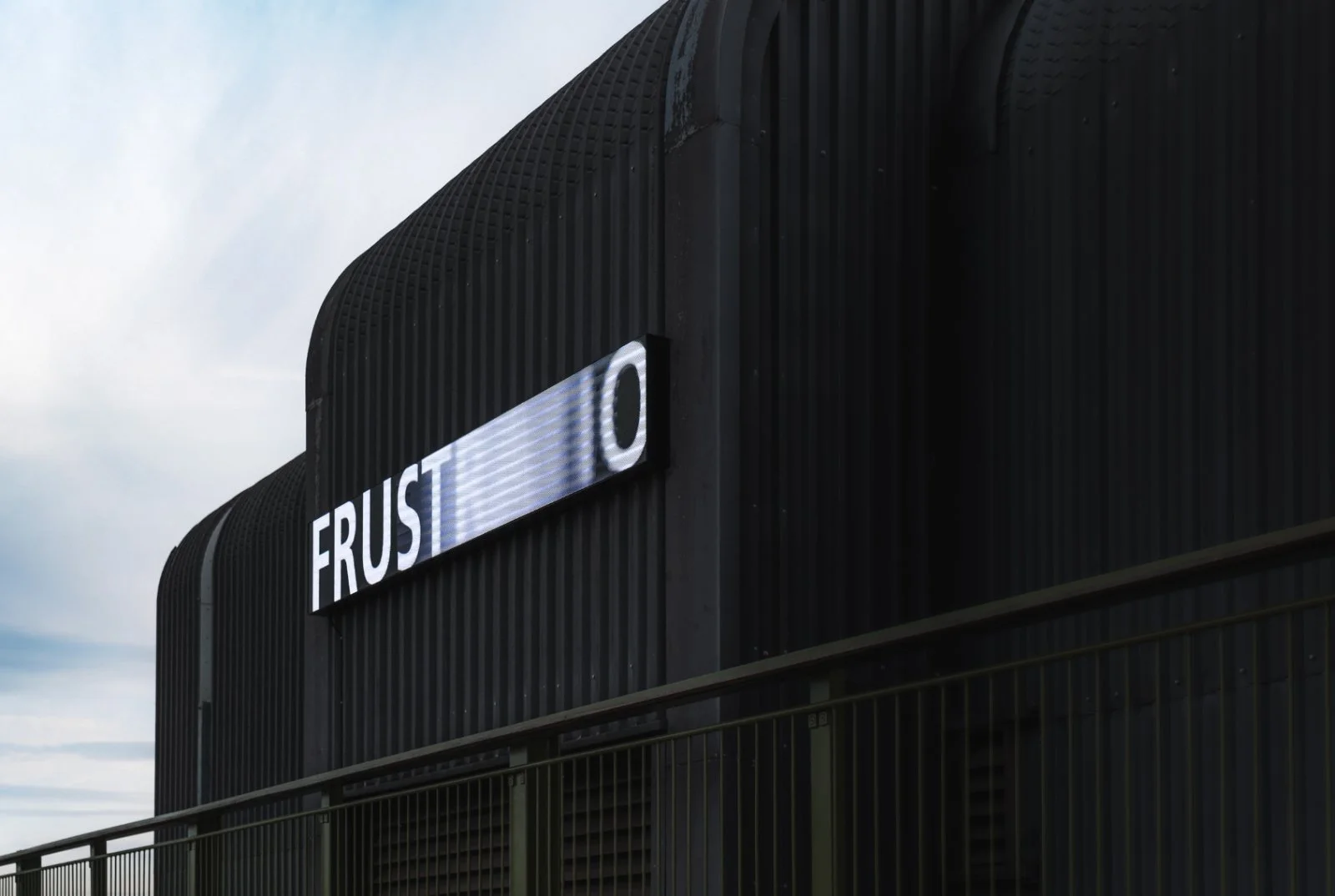
A featured work
What if the museum started talking to you — about power, fear, sex, violence, love and everything we’d rather not say out loud?
More info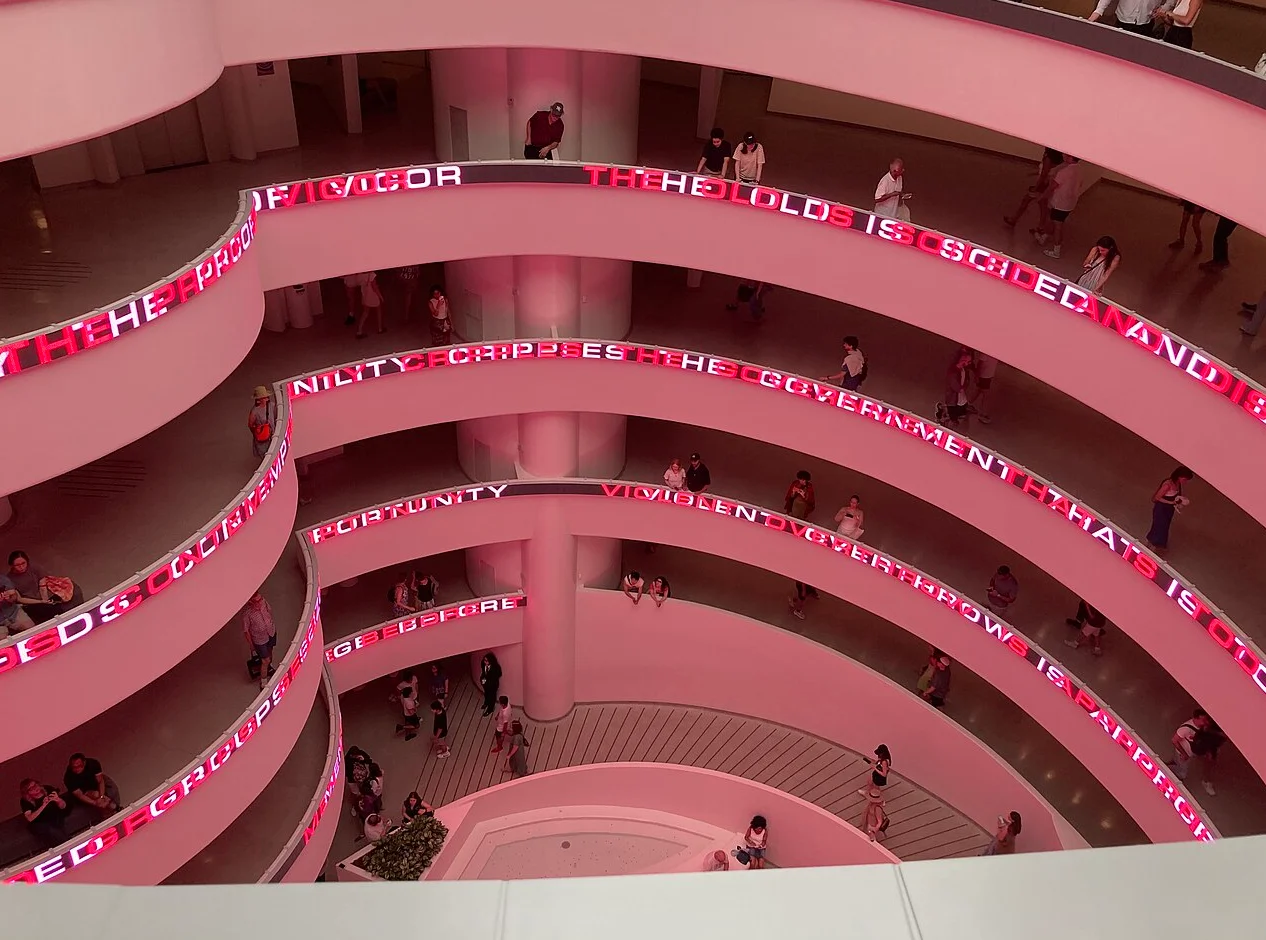
© Guggenheim Jenny Holzer installation
At a glance
Jenny Holzer turned words into public art — using language to expose power, violence, desire and the uncomfortable truths we'd rather ignore.
Dates
- Born
Key Movements

Artlovers Tip
Look for the rhythm in the lights. Holzer's LED works are timed to mimic the speed of human thought or the urgency of breaking news. When you encounter her stone benches, don't just read them—feel the contrast between the cold, hard rock and the vulnerable, often violent ideas carved into the surface. It is art that requires you to stand still while the world continues to scroll past.
Don't only read the words. Look at where Holzer has placed them.
Top Artwork(s)
- Truisms, 1977–79 - It contains some of the statements that established Holzer's language-based practice and remains the best entry point into her work.
- Untitled (Selections from Truisms, Inflammatory Essays, The Living Series, The Survival Series, Under a Rock, Laments, and Child Text), originally created for the Guggenheim in 1989. Its LED display spiralled through Frank Lloyd Wright's rotunda; in 2024 Holzer radically expanded it through all six ramps of the museum.
About the artist
A quick note
Raised in Ohio, Holzer moved to New York in 1977, where she began wheat-pasting her anonymous Truisms across Manhattan. These one-liners—ranging from the profound to the absurd—were designed to blend into the city's visual noise while forcing a double-take from passersby.
You're watching the artist transform the aggressive glow of electronic signs into a medium for poetry and protest, shifting between the ephemeral flicker of LEDs and the heavy permanence of granite to address themes of violence, sex, and death.
Holzer uses art to confront power, war, violence, gender, censorship, corruption and political responsibility. But she rarely tells you simply what to think. Instead, she places contradictory statements in front of you and forces you to decide where you stand.
Did you know?
Holzer has spent years scouring declassified government documents, particularly those related to war and surveillance. Her Redaction Paintings are a physical manifestation of her obsession with what is hidden in plain sight, turning censored black blocks into haunting, large-scale meditations on secrecy and institutional silence.
In 1990, Jenny Holzer became the first woman chosen to represent the United States with a solo presentation at the Venice Biennale, where she won the Golden Lion for Best Pavilion.
Why are they important?
Language as Sculpture: She moved art out of the frame and into the physical environment, using text as a three-dimensional medium that occupies space and light.Democratizing the Gallery: By placing her work in Times Square or on city streets, she bypassed traditional art institutions to speak directly to the public in their own environment.Subverting Authority: Her use of institutional formats—like LED tickers and official memos—challenges the reliability of the information and mass media we consume daily.
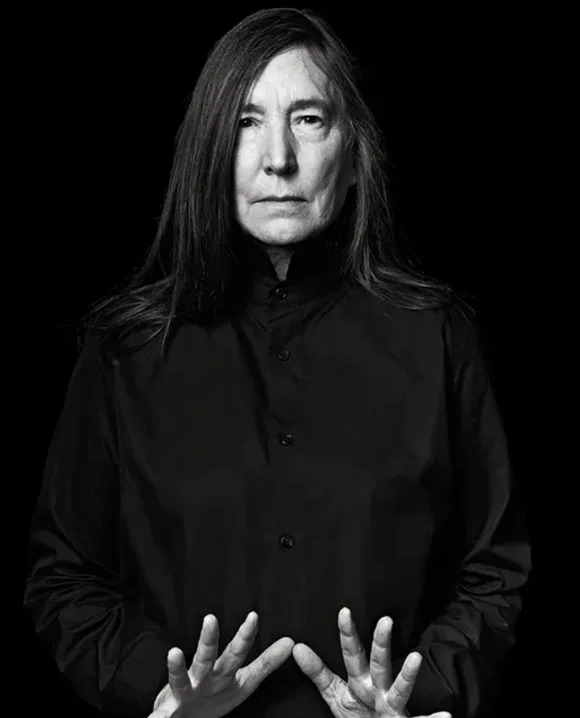
Jenny Holzer
On view now
Where to see them now
Plan your visit — these exhibitions are on view now.