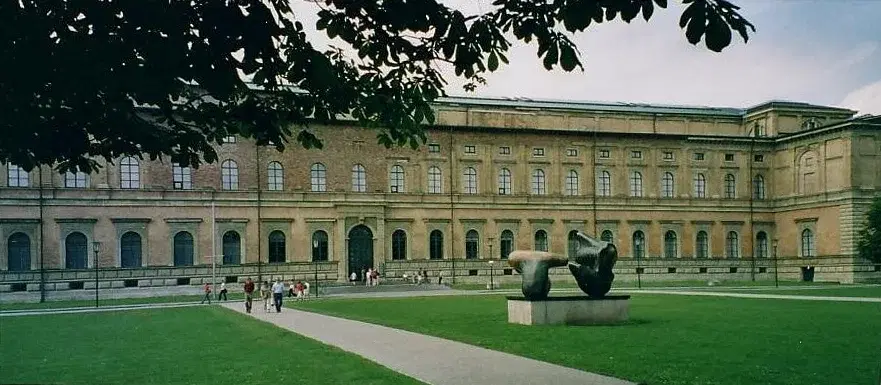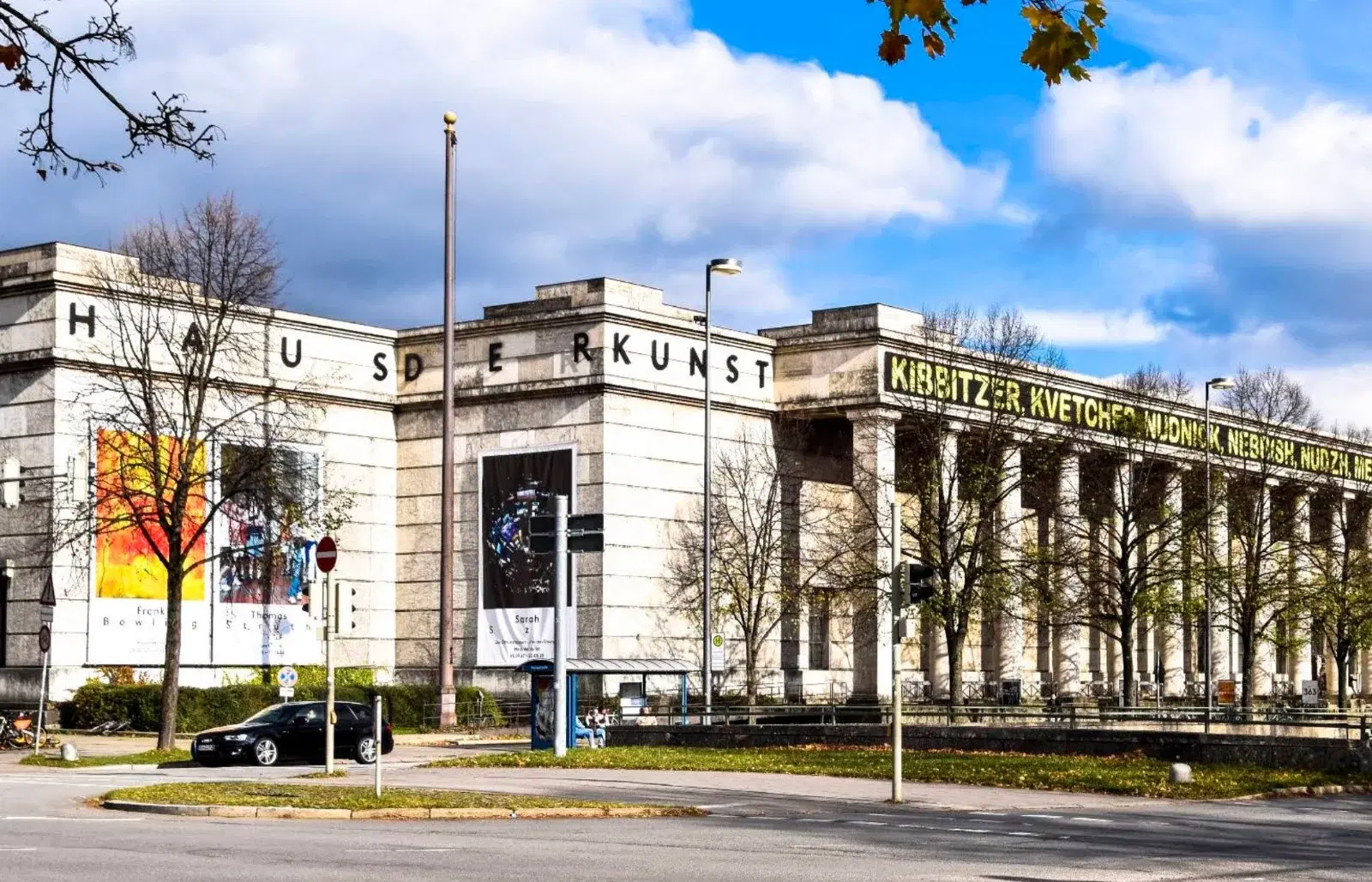
A massive stone monolith repurposed into a sanctuary for the most radical ideas in contemporary art. It sits at the edge of the park, a heavy monument hosting the ephemeral.
About
The building demands attention with its rhythmic stone columns and intimidating scale. Originally constructed to project a rigid aesthetic order, the interior now feels charged with a quiet, persistent subversion. Walking through the high, limestone corridors, you feel the weight of history meeting the lightness of digital projections and massive contemporary installations. It is a space of productive tension, where a monumental past is forced to host a fluid and experimental present.
You're watching the way the afternoon light cuts across the polished stone floors, following visitors who move slowly between immersive soundscapes and radical sculptures. There is a choreography of reconciliation here, as people navigate the building's heavy silence alongside the vibrant, often loud, energy of the works on display. The air feels vast, encouraging a slower pace of observation.
What you'll see here
- Archiv Galerie: An essential space that uses original documents and photographs to trace the building's complex and difficult origins.
- TUNE: The museum’s dedicated sound art program, where sonic experiments fill the vast galleries, turning the architecture into a resonant instrument.
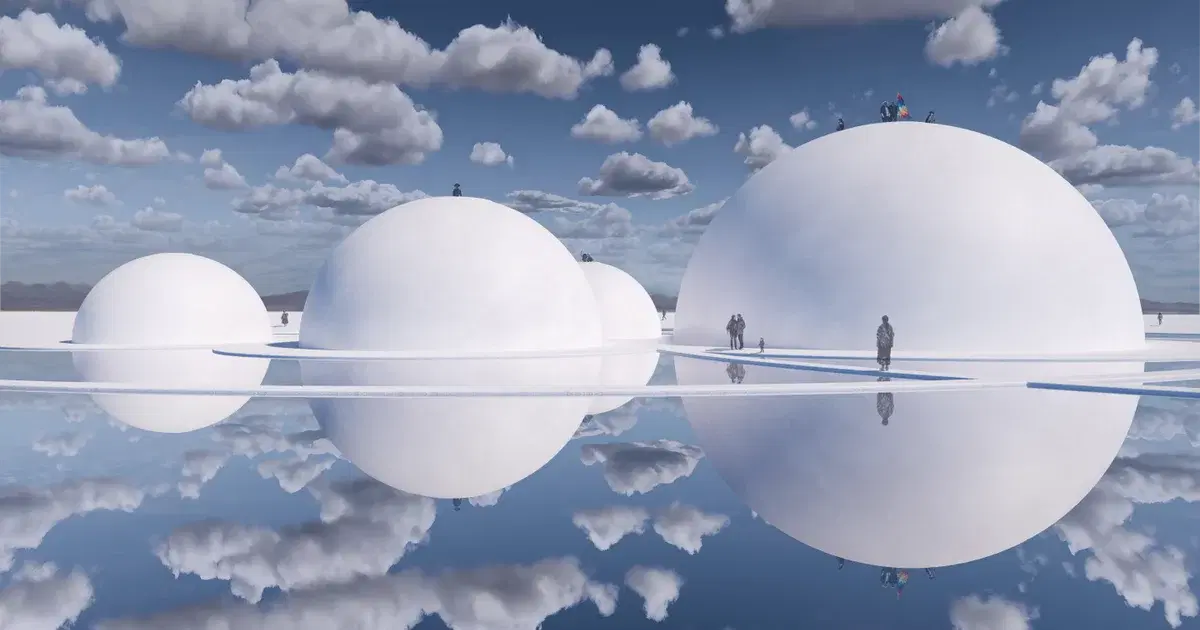
- Large-scale commissions: The central halls are designed for immense volumes, often housing site-specific works by artists like Tomás Saraceno that challenge the building's rigidity.
Worth the trip
- Architectural Reclamation: Experience the powerful contrast of seeing experimental, global art inside a structure originally built for aesthetic conformity.
- Scale and Volume: It is one of the few global venues capable of hosting massive, immersive installations that require cathedral-like dimensions.
- Cultural Threshold: Located between the surfers of the Eisbach wave and the quiet Englischer Garten, it represents the heart of Munich's avant-garde identity.