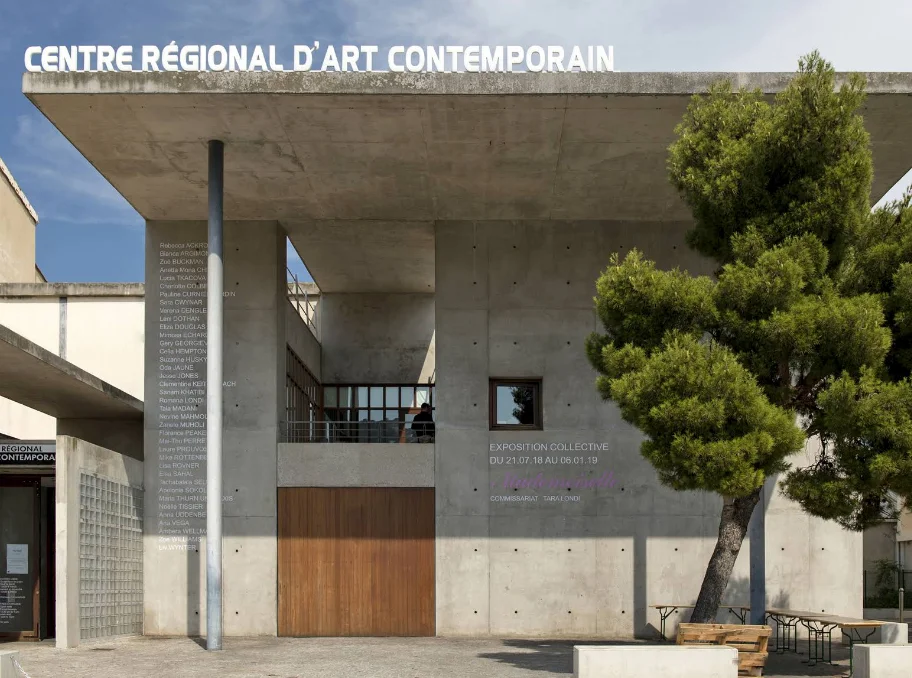
Sète is a town of canals and brine, and the CRAC sits right on the water’s edge like a concrete anchor. Inside, the industrial scale of the galleries offers a cooling, silent refuge from the Mediterranean glare.
- The Grand Hall: A massive central space that hosts large-scale commissions, allowing artists to work with heights and volumes rarely found in traditional urban galleries.
- Canal-side Views: The windows that frame the working canals of Sète, turning the trawlers and water outside into a living, moving landscape painting.
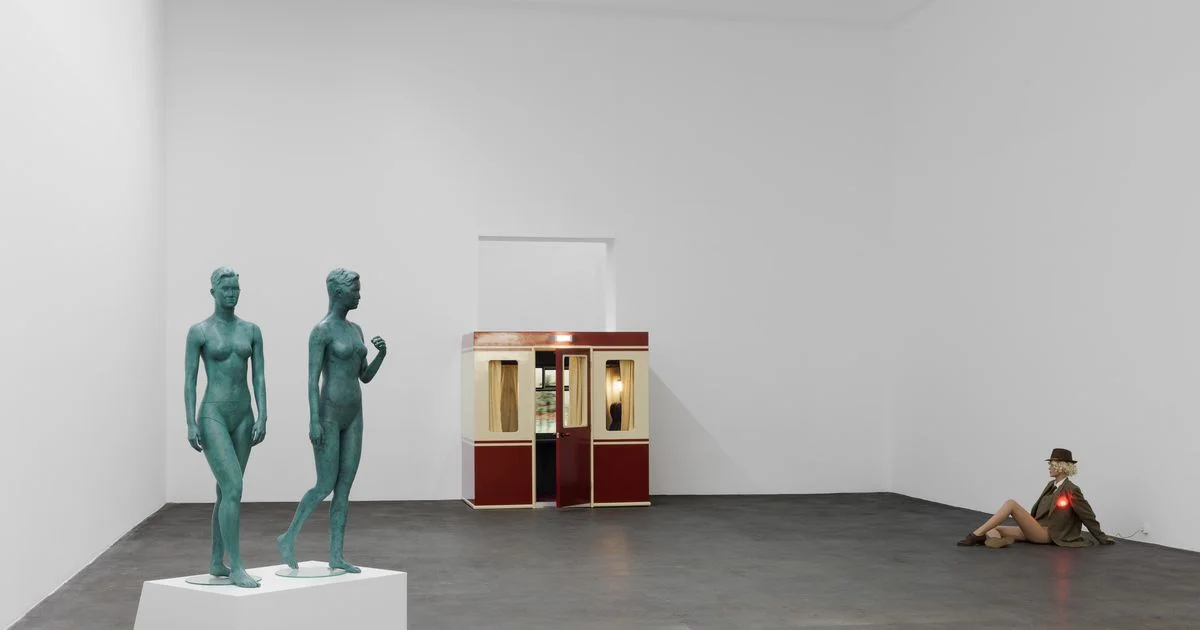
- Plastic Newspaper: The meticulous installations of Lucy McKenzie, where decorative arts and social commentary blur against the stark white walls.

Visit during the late afternoon when the Sète sun hits the water at a sharp angle; the reflection dances on the gallery ceilings, momentarily merging the art with the movement of the Mediterranean.
About the venue
About
The building stands along the Quai Aspirant Herber, its imposing facade mirroring the rugged, functional beauty of Sète’s working port. Inside, the architecture recedes to favor volume; vast white spaces and high ceilings preserve the echoes of an industrial past while inviting the experimental scale of contemporary installation. It is a place of heavy stillness, where the scent of the sea occasionally drifts through the entrance, grounding the avant-garde in the reality of the Mediterranean.
You're watching the light shift across the expansive floors as visitors move slowly between monumental works. There is a specific rhythm here, dictated by the generous proportions of the rooms, encouraging a pace that feels more like a contemplative walk along the docks than a traditional museum visit.
Worth the trip
- Harbor-side Context: The rare experience of viewing high-concept contemporary art in the heart of a gritty, authentic French fishing port.
- Industrial Scale: The architecture provides a cathedral-like volume that humbles the viewer and elevates the art to a monumental status.
- Democratic Access: A commitment to free culture that makes world-class curation accessible to every traveller wandering off the quay.