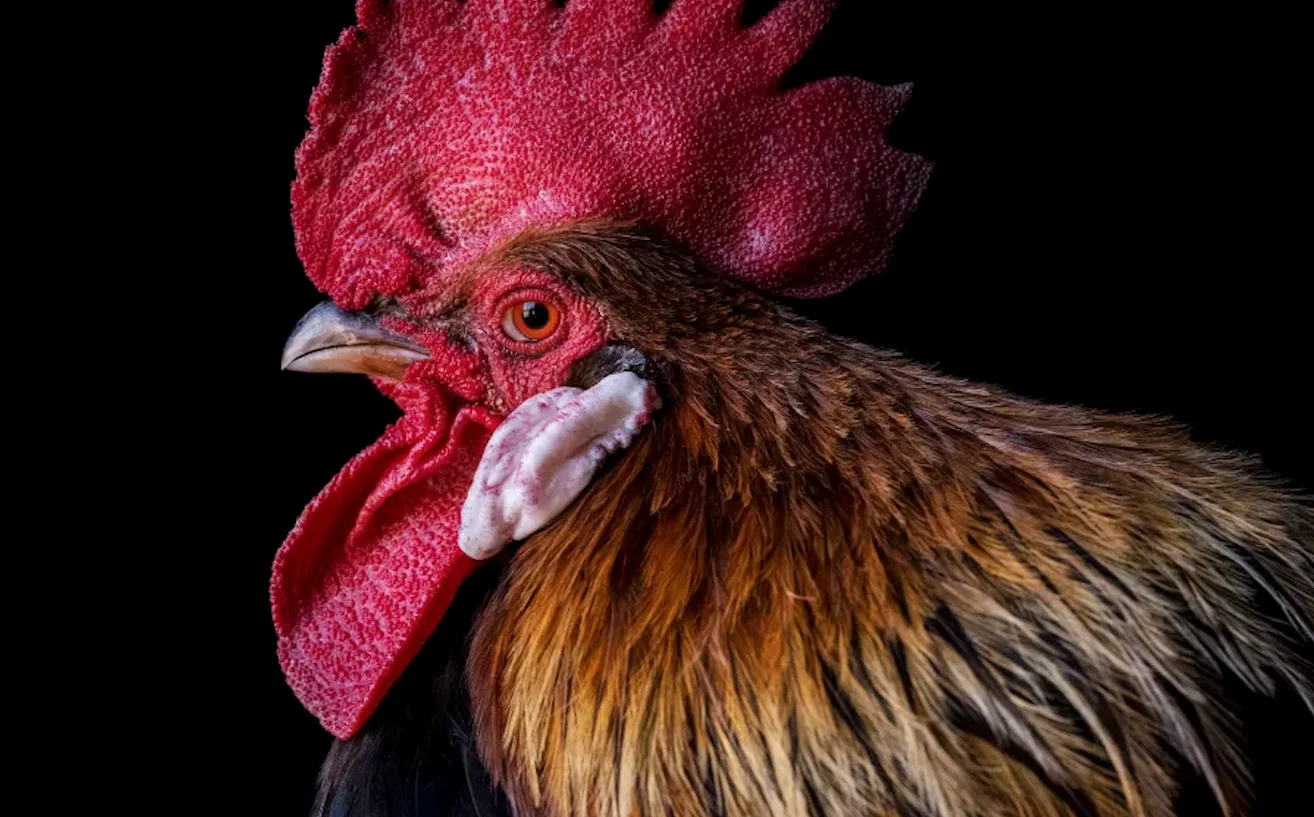
These are not “animal photos.” They are portraits of survival — and they look back at us.

Inside the exhibition
Contemporary documentary photography with an activist and ethical approach.
Estela de Castro uses portraiture to restore dignity, individuality, and presence to animals usually seen through systems of exploitation rather than as subjects.
THE ANIMALS is a photographic project by Estela de Castro, photographer and activist, built around beauty, dignity, and empathy.
The complete project includes 122 portraits of animals photographed over two years in sanctuaries and rescue, protection, and care centres. For Matadero Madrid, the exhibition presents a selection of 22 photographs.
You’re watching:
Animals portrayed as individuals, not symbols
Faces marked by vulnerability, strength, and survival
Stories connected to hunting, livestock farming, experimentation, trafficking, zoos, circuses, exotic pets, cinema, and other systems of exploitation
Portraits that work as both personal testimony and collective memory
The result is quiet, direct, and emotionally uncomfortable — in the best possible way.
Worth travelling for?
Yes — especially if you believe art can change how we see other living beings.
Because this exhibition challenges speciesism and asks us to rethink our relationship with animals, not through shock, but through presence.
It matters because the portraits don’t reduce animals to victims. They give them a face, a gaze, and a story.
And because it is outdoors and free, it turns Matadero into a public space for empathy — art that can reach people who may not have planned to enter a museum.
Experience as an Artlover
Don’t rush past the images → treat each animal as a portrait
Look at the eyes first, then the body language
Read the exhibition as testimony, not decoration
Notice how beauty and discomfort coexist
Let the outdoor setting change the experience: this is art meeting public life
The Animals
Hours & rating from Google