At a glance
A botanical journey through Rotterdam exploring how blossoms evolved from sacred myths to political tools and digital lifeforms.

Artlovers Tip
Look closely at Tracey Bush’s collages; what appears to be a common field flower from a distance is actually meticulously crafted from discarded consumer packaging.
Artlovers relevance
Inside the exhibition
Meet the artist
Key Movements
Medium
Description
This exhibition marks the first comprehensive cultural history of the flower in the Netherlands, weaving together over two hundred objects across art, fashion, and science. From the 17th-century tulip mania that gripped the Dutch economy to the subtle botanical knowledge of enslaved women in Suriname, the curation moves beyond mere aesthetics. It positions the bloom as a powerful vehicle for human ritual, social protest, and ecological survival.
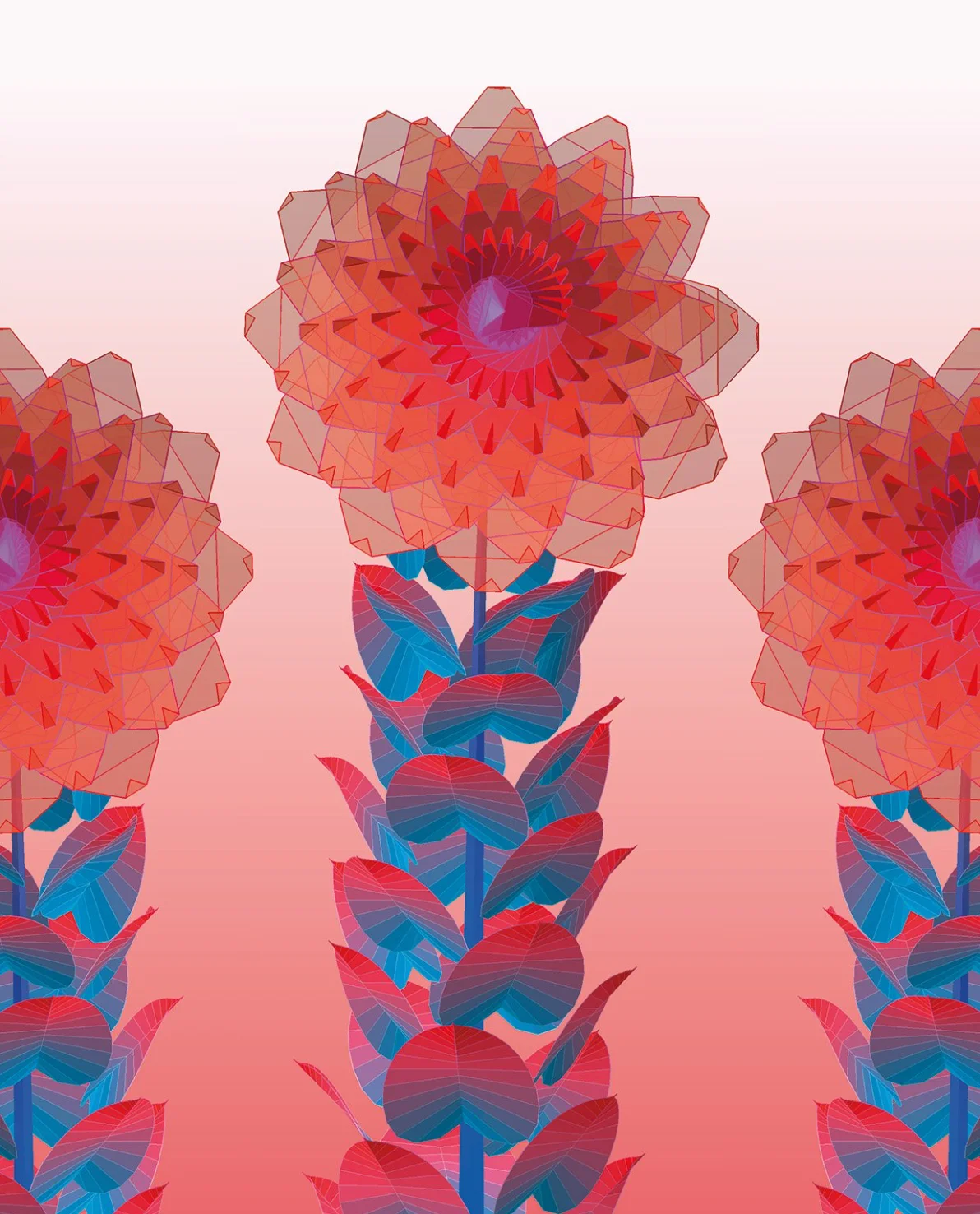
You're watching a sensory transformation of the Kunsthal galleries. In one room, a hundred thousand dried blossoms by Rebecca Louise Law hang from the ceiling, creating a hushed, fragrant tunnel. Elsewhere, the mechanical petals of Studio DRIFT's Meadow rise and fall in a rhythmic, kinetic dance, while Miguel Chevalier’s digital gardens react to your footsteps, blooming and swaying as you pass through their virtual soil.
Worth travelling for?
- Rare synthesis: Experience a dialogue between 17th-century Dutch still lifes and cutting-edge digital installations that link Bitcoin fluctuations to tulip growth.
- The Calyx installation: Walk through Rebecca Louise Law's massive site-specific work, composed of 100,000 hand-strung flowers that create an immersive, scented environment.
- Unheard histories: View patricia kaersenhout’s vivid tapestries which reclaim the botanical narratives of indigenous and African women often omitted from scientific records.
Experience as an Artlover
Begin by surrendering to the stillness of the dried flower installations before moving into the high-tech interactive sections. Take a moment to examine the delicate paper peacock flowers by Kapwani Kiwanga; their small scale belies a heavy political history. After leaving the museum, walk toward the nearby Nieuwe Maas river to watch the modern city pulse, perhaps carrying a fresh appreciation for the organic rhythms that persist beneath the concrete.
Flowers Forever
Hours & rating from Google