At a glance
A study of Botero's formative New York years, tracing his evolution from expressive painting to his iconic volumetric language.
Key Movements
Medium
Why go
You'll see
Don't miss

Artlovers Tip
Pay close attention to the smaller works on loan from the Foundation; they often reveal the artist's first experiments with spatial compression and the exaggerated proportions that would eventually become his trademark.
Since the exhibition is at The Breuer, it is particularly worth including in a Madison Avenue / Upper East Side art walk, rather than making it a standalone destination.
Inside the exhibition
Meet the artist
Genre
Period
Origin
Description
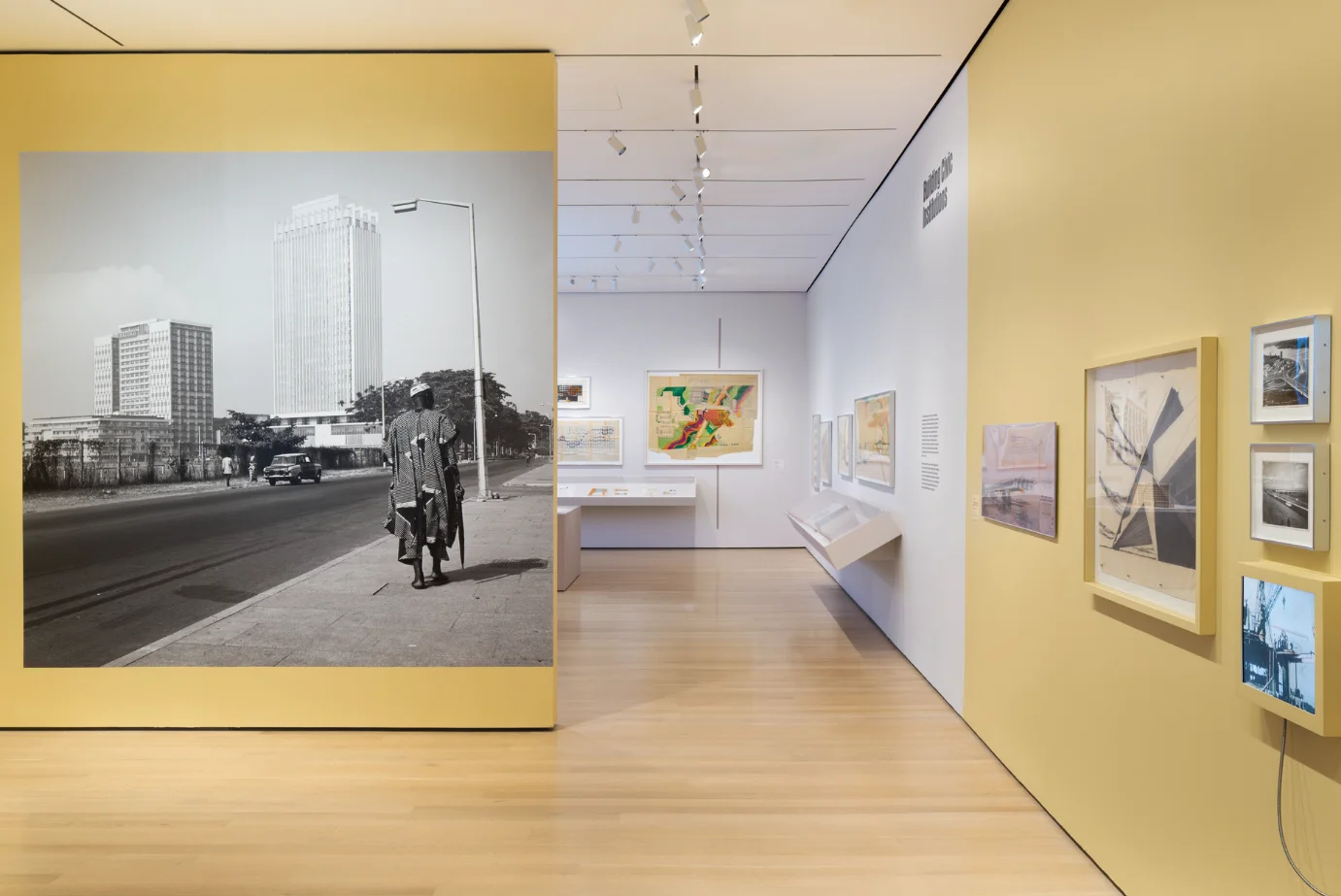
Botero in New York is presented by Sotheby's in partnership with the Botero Foundation at The Breuer, Sotheby's new Upper East Side headquarters, from 22 July to 7 September 2026. It is the first exhibition dedicated to a single artist at the landmark Breuer building under Sotheby's.
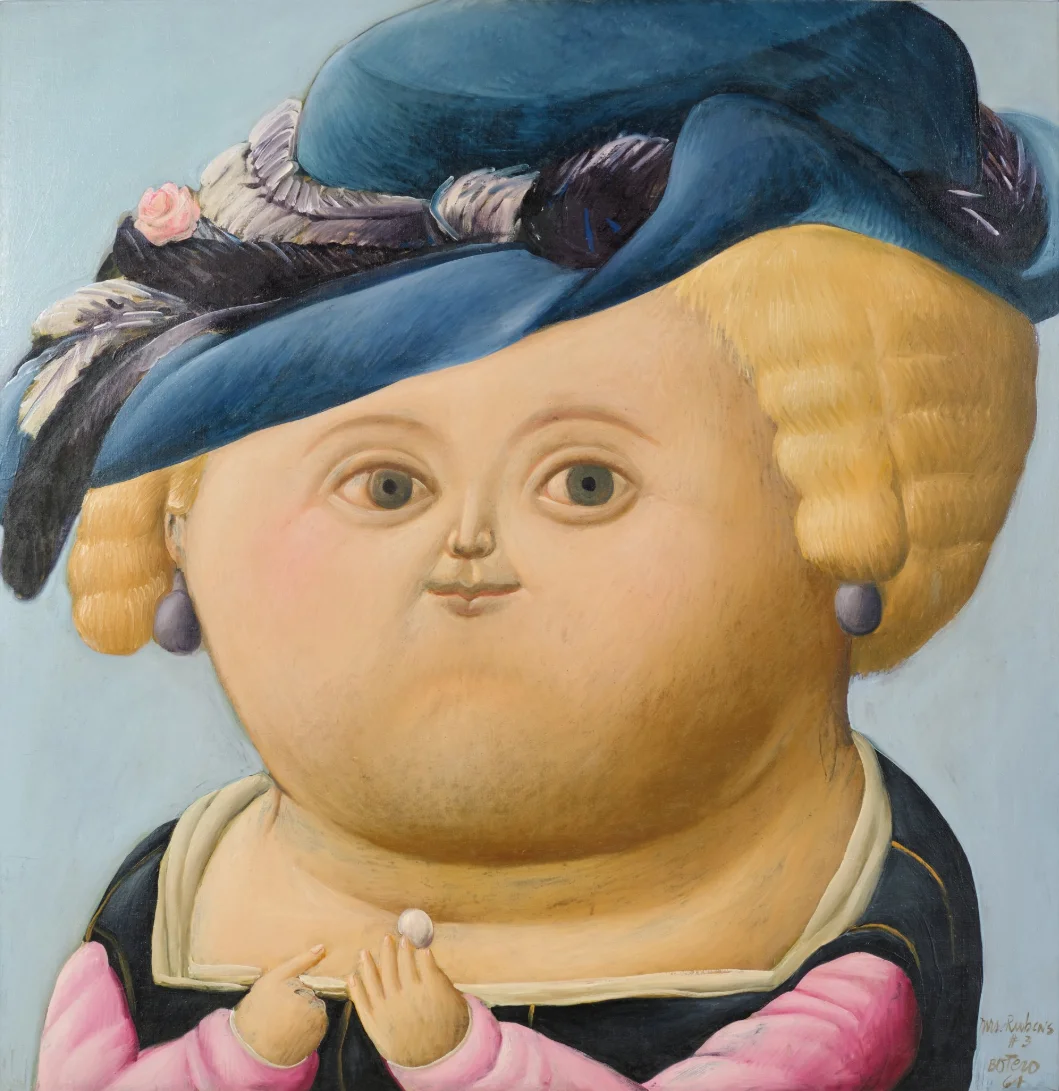
Fernando Botero (1932–2023) was a Colombian artist renowned for his voluminous figures, exaggerated proportions and distinctive sense of humour. Drawing inspiration from Latin American life, European art history and everyday subjects, he developed a unique figurative language that explored volume, power, beauty and human behaviour.
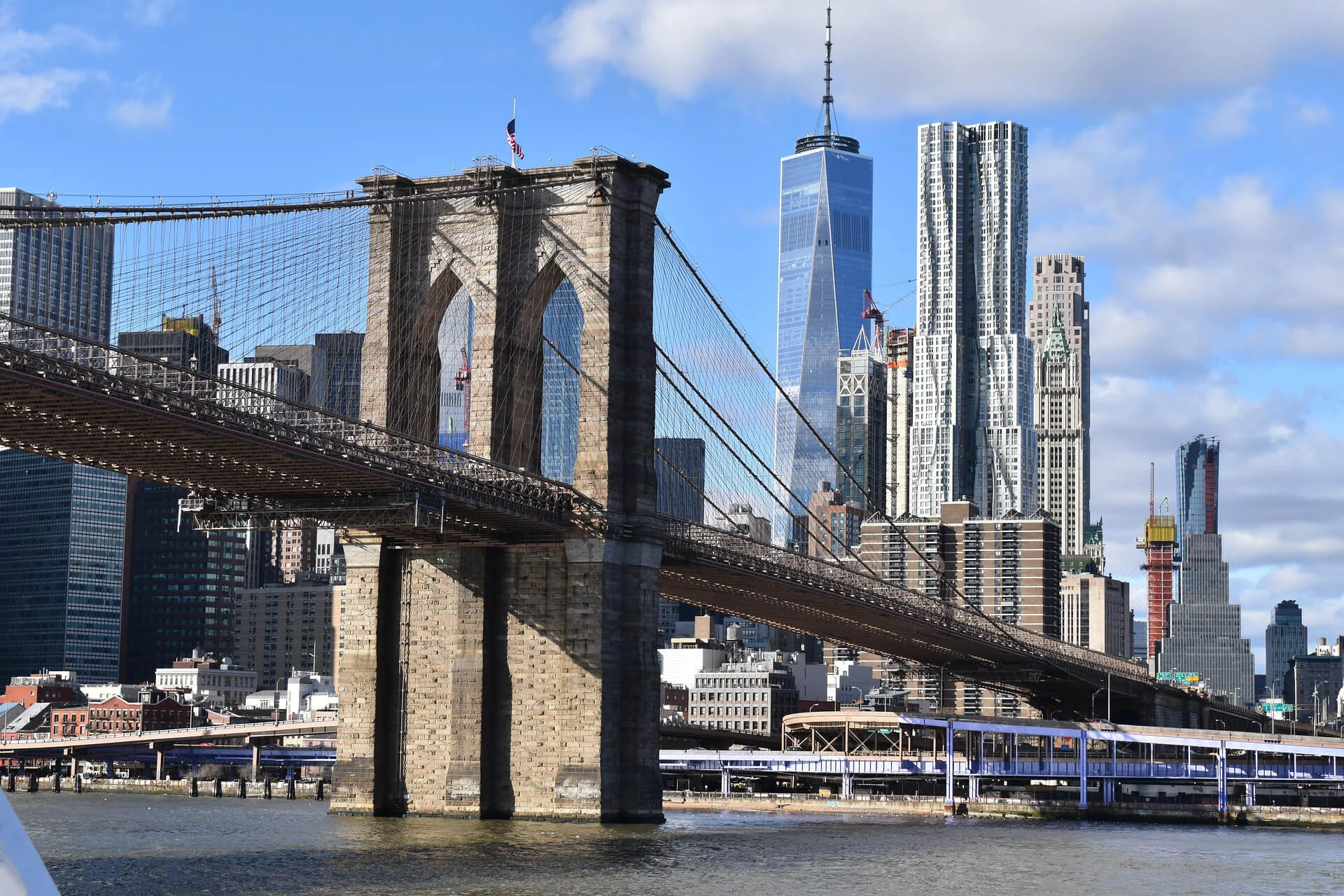
The exhibition concentrates on the period 1960–1973, when Botero's relationship with New York played a crucial role in his artistic development. He arrived in the city at a moment dominated by Abstract Expressionism and the emerging language of Pop Art, yet deliberately pursued a very different path: figurative painting rooted in art history and the human body.
Rather than simply rejecting contemporary American art, Botero absorbed some of its concerns while developing his own vocabulary. During these years his painting moved from more expressive brushwork towards greater flatness, clarity, geometric proportion and compressed space. This was the period in which the exaggerated volumes that became his trademark were becoming fully established.
A particularly interesting aspect is Botero's relationship with the Western canon. His paintings repeatedly reinterpret works and subjects from European art history — Velázquez, Leonardo and others — but transform them through his radically expanded forms and distinctive sense of proportion. This dialogue between historical imagery and contemporary visual culture is central to understanding his work.
The New York context also matters. Botero was surrounded by the energy of the New York art scene while remaining deliberately contrarian towards abstraction. His monumental figures can therefore be seen as an alternative response to some of the same questions that occupied artists such as Willem de Kooning and the artists of the New York School.
The exhibition includes more than 35 paintings, sculptures and pastels, with important works on loan from the Botero Foundation as well as works offered for sale. Several works come from the artist's family collection and had never previously been shown publicly, making this more than a conventional commercial presentation.
Worth travelling for?
★★★★½ — A very good stop for Botero and 20th-century art lovers.
The exhibition's real value is its specificity: rather than attempting to tell Botero's entire story, it isolates the New York years and shows how a Colombian artist developed one of the most recognisable figurative languages of the 20th century while surrounded by a radically different American art scene.
Artlovers mood: Playful · Monumental · Witty · Provocative · Vibrant
Botero in New York
Artlovers relevance
Plan your visit
The Breuer Sotheby's New York
New York, United States