At a glance
Owls speak in broken voices, machines seem almost alive and science fiction becomes a way to question who — or what — gets to count as human.
Why go
You'll see
Pace of visit
Don't miss

Artlovers Tip
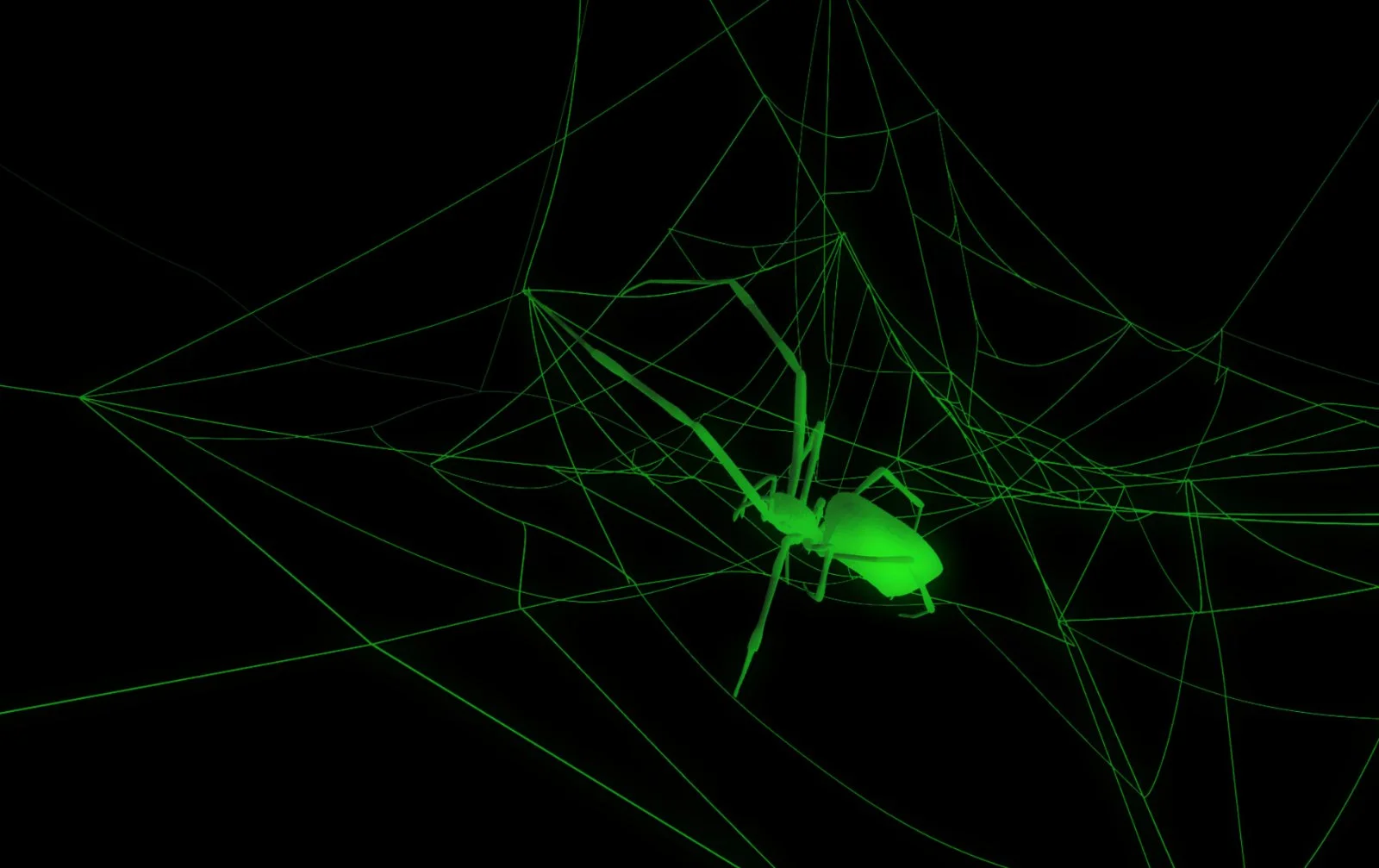
Listen to the glitches. When Lislegaard’s animals or digital figures speak imperfectly, the breakdown in language is not a technical flaw — it exposes how much our understanding of reality depends on systems of communication that may themselves be unstable.
And don’t ask only whether her machines look human. Ask the reverse: how much of our own behaviour already looks machine-made?
Inside the exhibition
Meet the artist
Key Movements
Medium
Description
ANIMOID moves through more than three decades in which digital technology shifted from experimental territory into the infrastructure of everyday life. Lislegaard uses that transformation not to celebrate technological progress, but to ask what happens when language, perception and identity are increasingly mediated by machines. Animals speak, digital bodies mutate and apparently familiar environments become subtly unstable.
Science fiction is one of her central tools. Rather than imagining distant futures, she uses speculative worlds to rethink the present: how does technology alter ideas of gender and the body? Where does the human stop and the artificial begin? What happens when biodiversity disappears while artificial forms of “life” multiply? The title ANIMOID deliberately combines ideas of animation, anima — life or spirit — and something that resembles life without quite being it.
Ann Lislegaard is a Danish-Norwegian artist and a pioneer of digital and time-based art. She graduated from the Royal Danish Academy of Fine Arts in 1993 and later taught there as professor of Media Arts from 2004 to 2013. Her practice has been particularly influential in 3D animation, sound and installation at a time when very few women were represented in these fields. She has participated in the Danish Pavilion at the Venice Biennale and received the Thorvaldsen Medal in 2024
Ann Lislegaard — ANIMOID
Hours & rating from Google