Segovia
Segovia is an art destination in Spain with 2+ museums and galleries — including Museo de Arte Contemporáneo Esteban Vicente, Palacio Quintanar — and 0 exhibitions currently on view.
Segovia is a city where art feels carved in stone — Roman engineering, medieval streets, contemporary abstraction and quiet cultural spaces inside one walkable UNESCO city.
Worth the trip if you love:
UNESCO cities · Roman architecture · contemporary art · abstraction · design · photography · historic palaces · slow cultural escapes · art without crowds.
What makes it a destination for art lovers
Segovia is worth the trip because it offers a rare and very compact mix: Roman heritage, Gothic and Renaissance architecture, contemporary art, design, photography and creative spaces. It is not a big museum capital, and it should not pretend to be. Its strength is the contrast between the monumental city and small, precise cultural anchors.
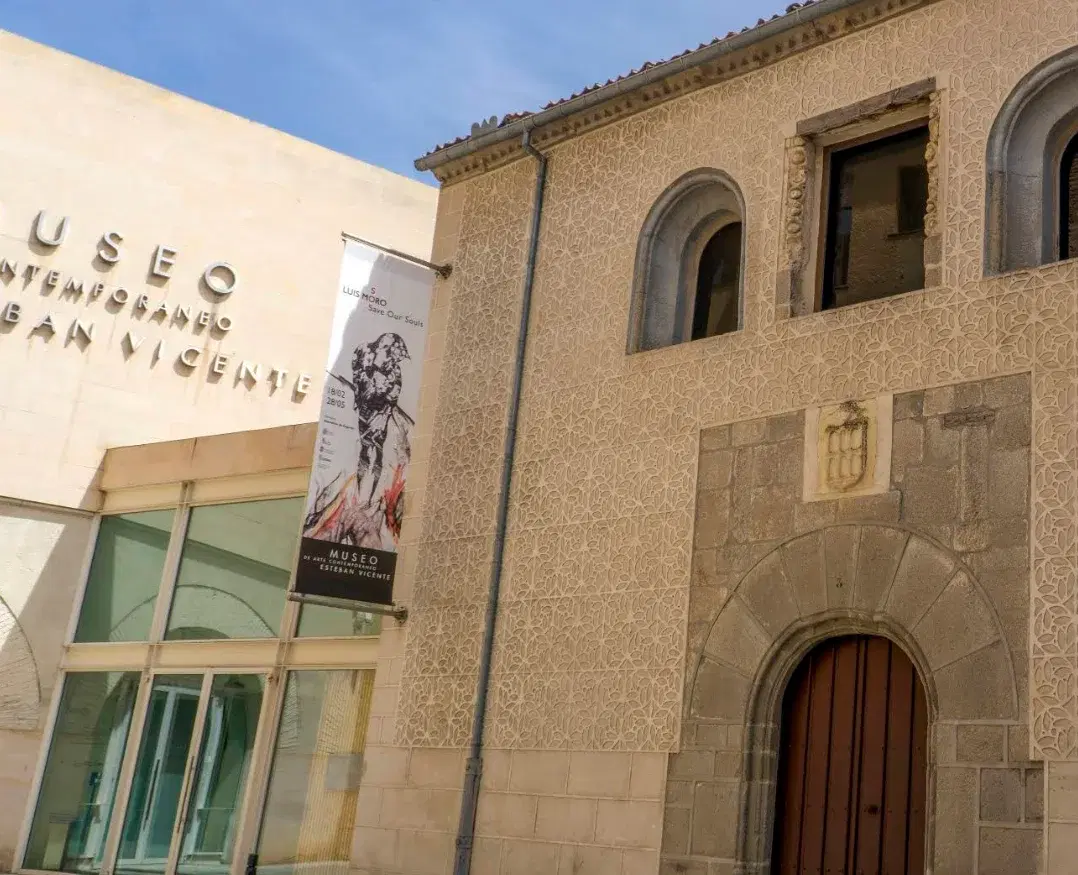
The key Artlovers stop is the Museo de Arte Contemporáneo Esteban Vicente, dedicated to Segovia-born artist Esteban Vicente, a member of American Abstract Expressionism. The museum opened in 1998 and is located in the former Palace of King Henry IV, whose construction dates back to 1455.
Segovia also has Palacio Quintanar, a centre for innovation, design and culture located in a 16th-century Renaissance building, with programming around graphic design, industrial design, interior design and photography.
Art in Segovia
Segovia matters because it gives art travelers one of Spain’s most powerful small-city contrasts. The Roman Aqueduct, the medieval city, the Cathedral and the Alcázar create a monumental stage, but the city’s art experience becomes more interesting when contemporary culture appears inside historic architecture.
The Museo de Arte Contemporáneo Esteban Vicente is the essential museum anchor. It houses a collection of 153 works by Esteban Vicente, born in Turégano, Segovia, in 1903 and later connected to the American Abstract Expressionist movement. The museum’s location inside the former Palace of King Henry IV gives the visit a very Segovian tension: abstract painting inside a late-medieval royal building.
The second key stop is Palacio Quintanar, especially important for Artlovers because it connects Segovia with design, photography and contemporary cultural programming. The space is run as a centre for innovation, design and culture, and occupies one of the city’s important Renaissance buildings.
Segovia also has a creative layer beyond traditional museums. La Cárcel_Segovia Centro de Creación, the former provincial prison, now functions as a multidisciplinary space dedicated to artistic creation, creative industries and cultural programming. This gives the city a more experimental, local and unexpected edge.
For Artlovers, Segovia is not about quantity. It is about atmosphere and contrast: stone, abstraction, design, memory, craft, Roman engineering and contemporary culture in a city small enough to understand on foot.
When to travel to Segovia for art lovers
April – June · September – November
Spring and autumn are the best moments for art travelers in Segovia. The city is ideal for walking, and these seasons make it easier to enjoy the Aqueduct, the Cathedral, the Alcázar, Esteban Vicente Museum, Palacio Quintanar and smaller cultural spaces without the heat or day-trip rush of peak summer.
Artlovers Tip:
Segovia works beautifully as a 24-hour art escape from Madrid: arrive early, walk the Aqueduct-to-Alcázar route, visit Esteban Vicente or Palacio Quintanar, and leave time for the city at dusk.
Where the art lives
A day, a neighborhood, a route
Art Districts