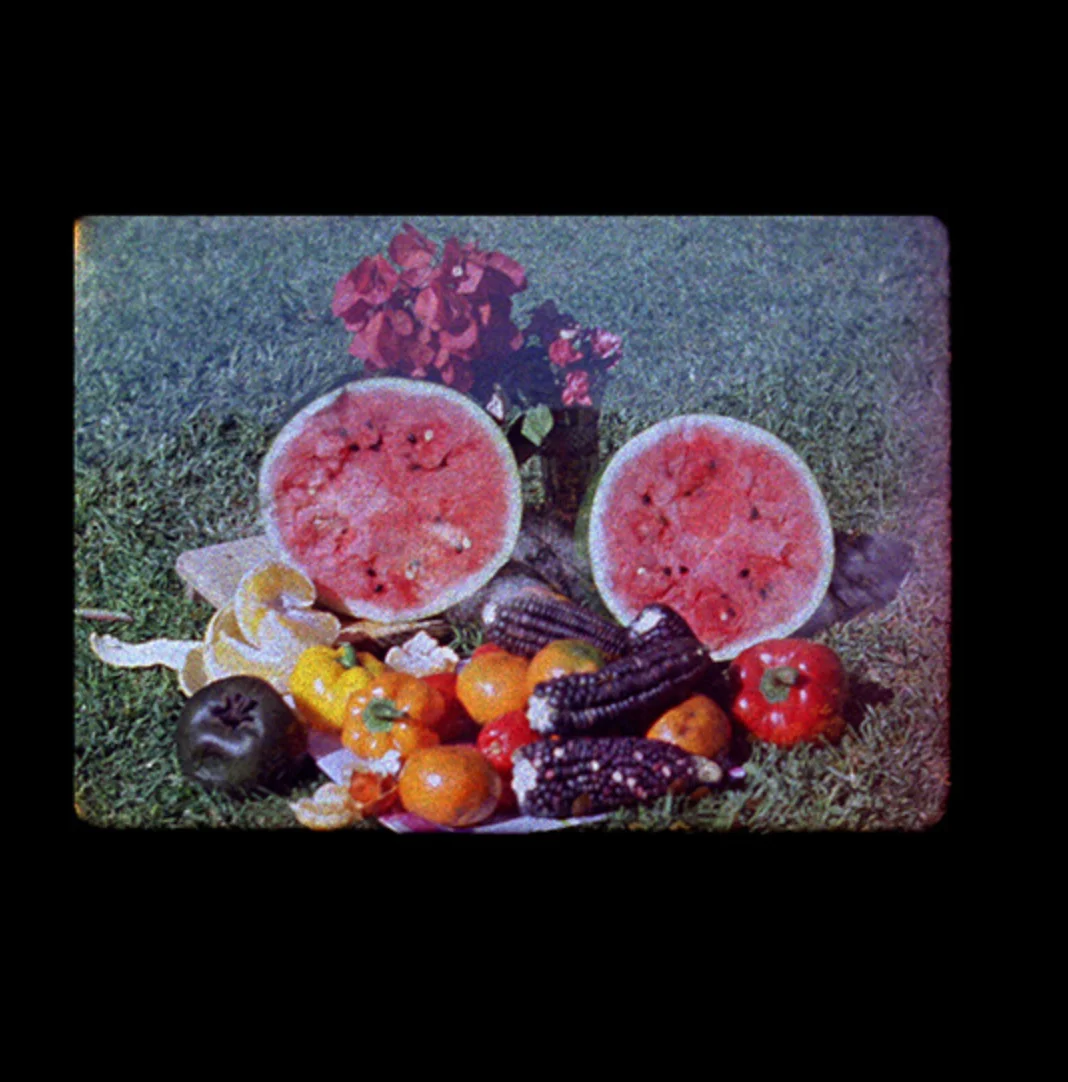
Looking Through a Circle in a Circle of Looks
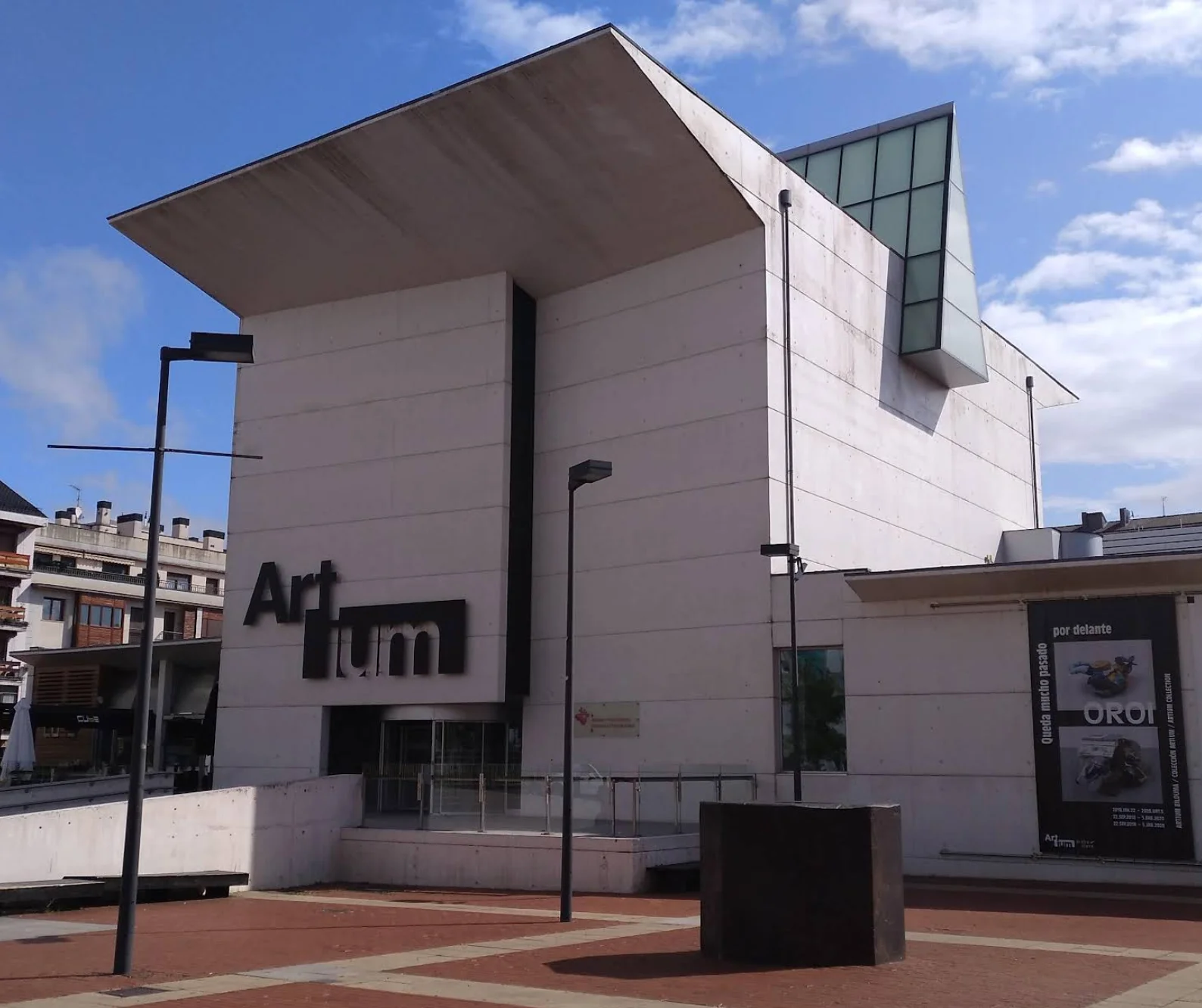
Artium Museum
Contemporary Art
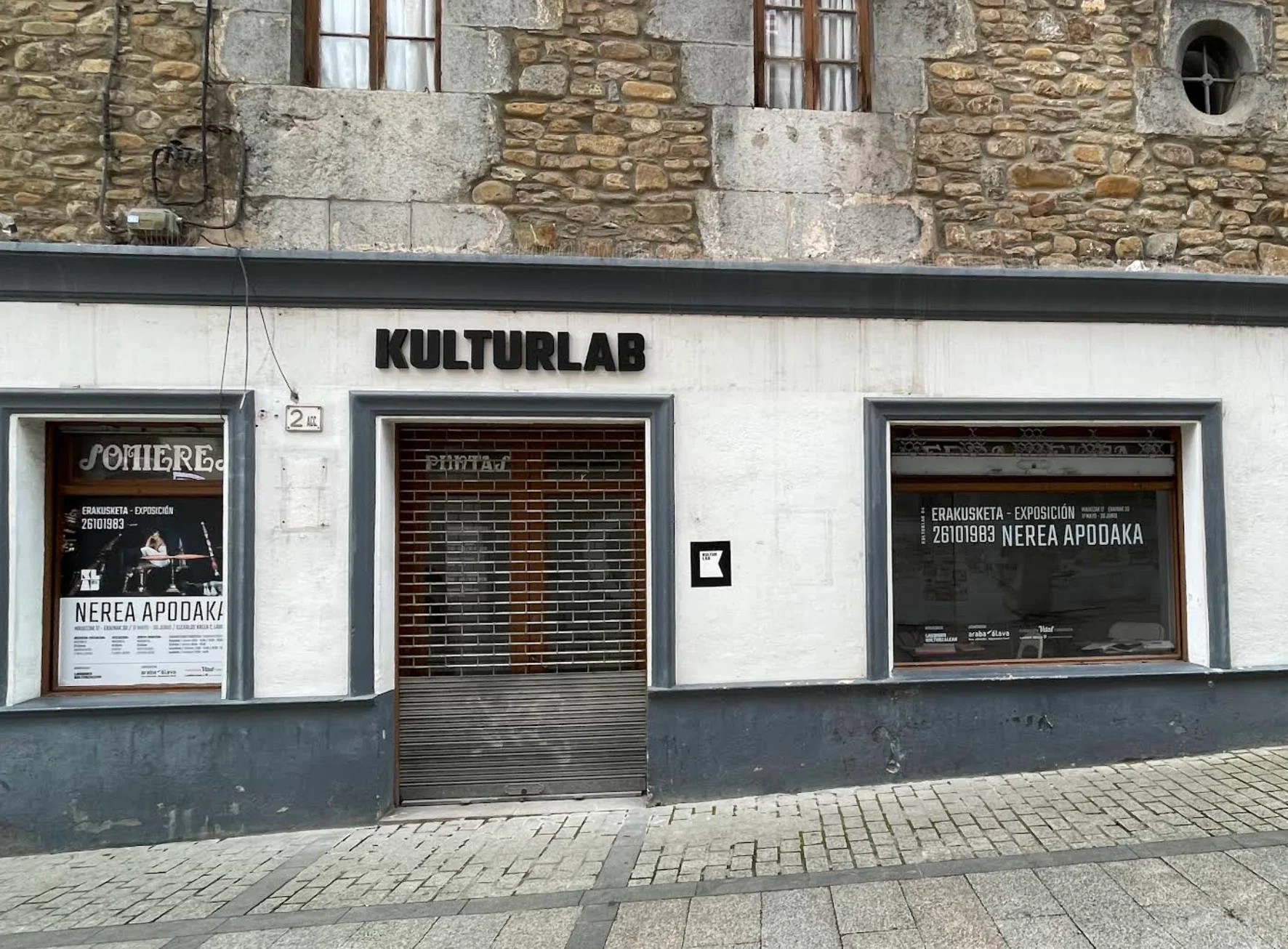
Araba Vitoria-Gasteiz is an art destination in Spain with 4+ museums and galleries — including Alava Fine Arts Museum, Artium Museum and LAUDIOKO KULTURLAB01 — and 1 exhibitions currently on view.
Vitoria-Gasteiz is a quiet Basque art city where contemporary culture, medieval streets, murals and green urban life create a slower, more thoughtful art escape.
What makes it a destination for art lovers
Vitoria-Gasteiz is worth the trip because it offers a compact but meaningful cultural route: Artium Museoa, the Museum of Contemporary Art of the Basque Country; the Museo de Bellas Artes de Álava; the Centro Cultural Montehermoso; the medieval old town; and a strong relationship between public space, architecture and urban life.
The essential stop is Artium Museoa, a public museum dedicated to acquiring, conserving, studying and sharing contemporary art. Its collection is especially important for understanding artistic practices in the Basque context, with works by artists such as Eduardo Chillida, Cristina Iglesias, Néstor Basterretxea, Jorge Oteiza, Esther Ferrer, Antoni Tàpies and Susana Solano.
Worth the trip if you love:
Basque contemporary art · Chillida · Oteiza · Esther Ferrer · quiet cities · murals · public space · medieval streets · art without crowds.
Artlovers Tip:
Vitoria-Gasteiz works beautifully as a 24–48 hour art escape from Bilbao, San Sebastián, Logroño or Madrid: start with Artium, walk the medieval quarter, then follow the city’s murals and green spaces.
Art in Araba Vitoria-Gasteiz
Vitoria-Gasteiz matters because it gives art travelers a different kind of cultural rhythm. It is not a city of blockbuster tourism or overwhelming museum queues. It is quieter, greener and more reflective — a place where contemporary art, medieval architecture and public space can be experienced on foot.
The city’s strongest art anchor is Artium Museoa, the Museum of Contemporary Art of the Basque Country. Located on Calle Francia, it is one of the key institutions for contemporary art in Euskadi and a powerful starting point for understanding Basque and Spanish art from the second half of the twentieth century to today. Its collection includes major names connected to Basque sculpture, conceptual practice, painting and contemporary languages, including Chillida, Oteiza, Basterretxea, Esther Ferrer, Cristina Iglesias and Antoni Tàpies.
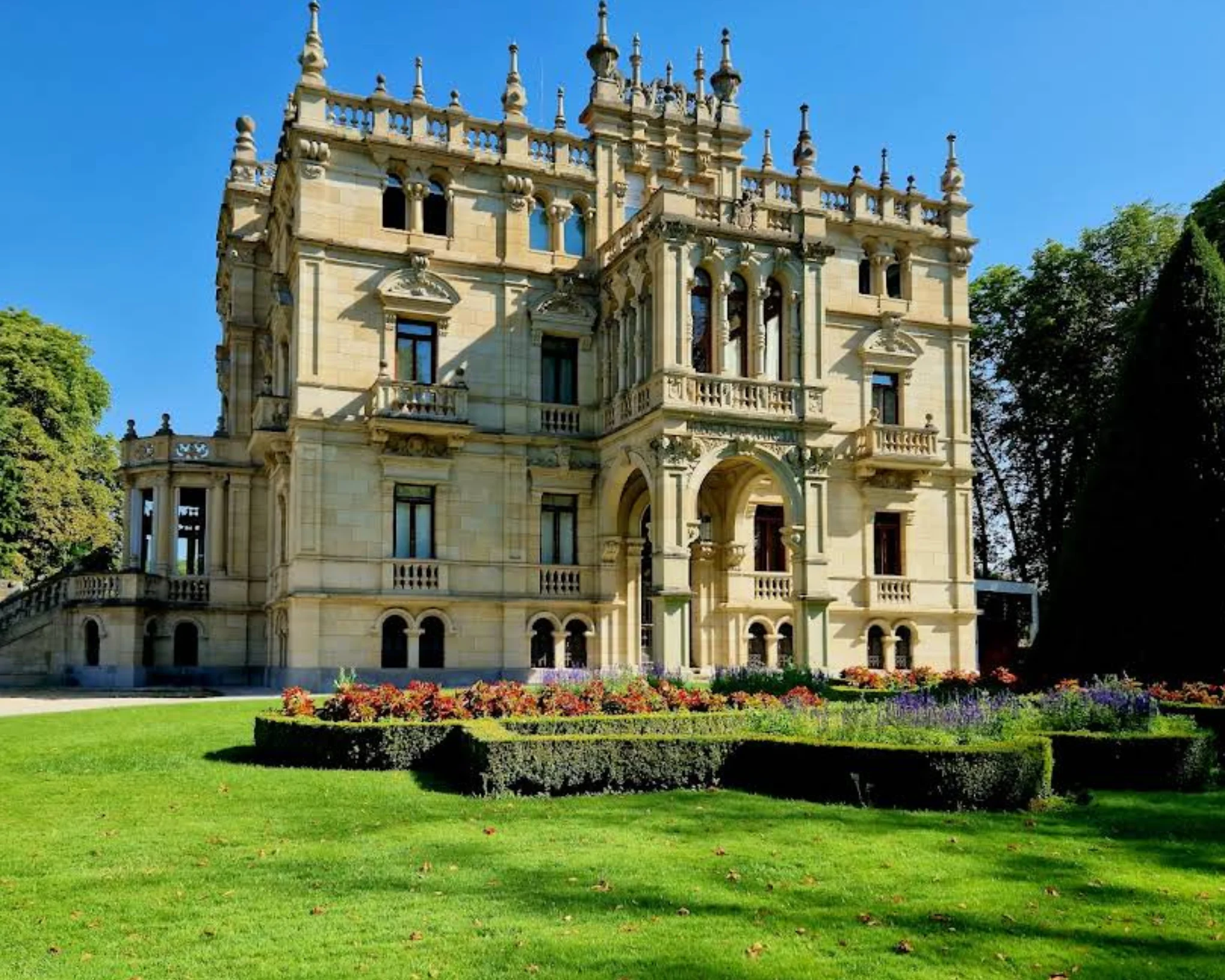
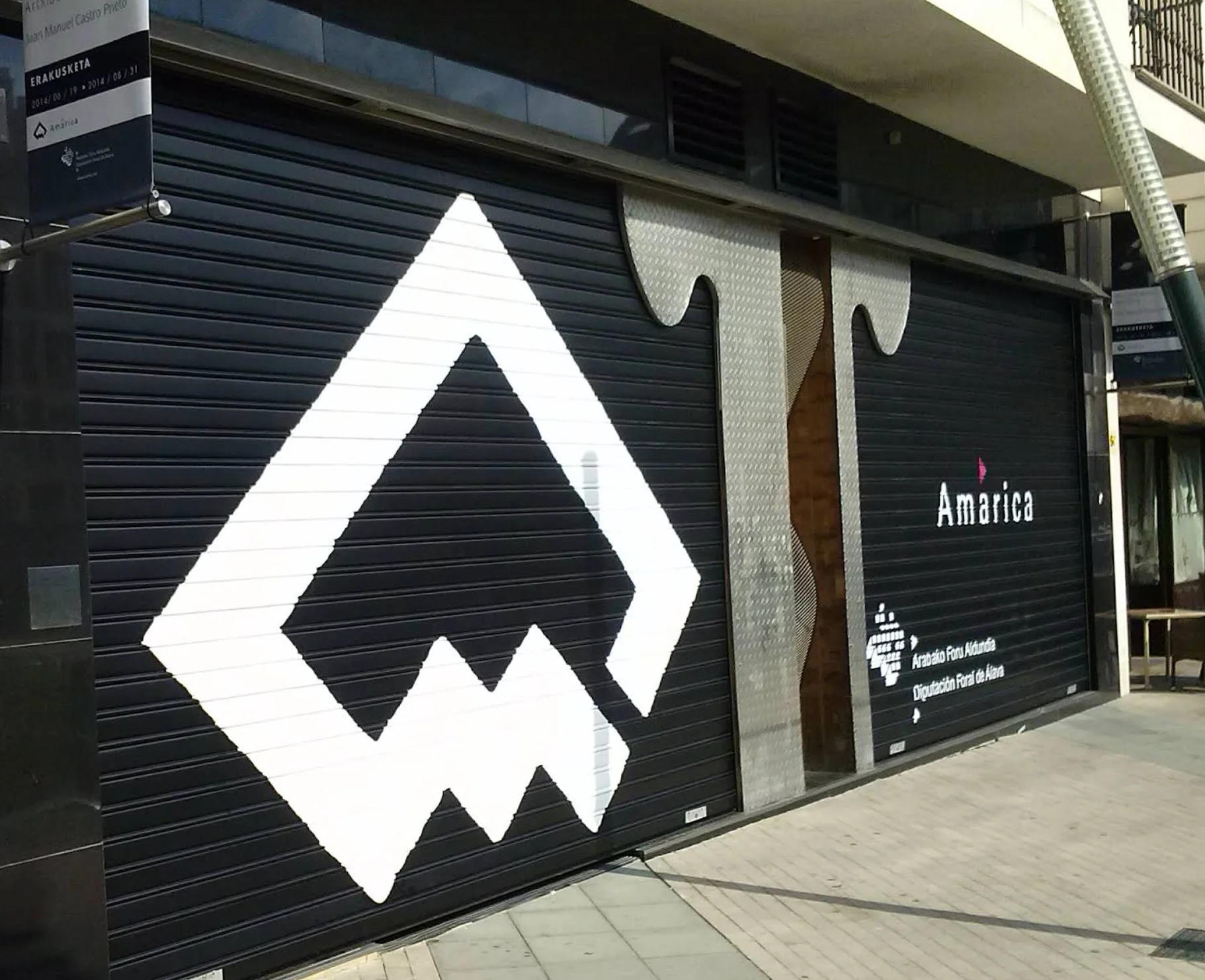
The Museo de Bellas Artes de Álava adds another layer. It focuses on Spanish art from the eighteenth and nineteenth centuries and on Basque Costumbrism between 1850 and 1950, with support from the Provincial Council of Álava, Prado Museum deposits and the Fernando Amárica Foundation. It is especially useful for travelers who want to understand the region’s visual memory before moving into contemporary art at Artium.
Then there is the historic city itself. The medieval quarter, with its streets, towers, churches and squares, gives Vitoria-Gasteiz its slow architectural atmosphere. The city’s tourism office organizes guided and thematic visits focused on museums, towers and churches, which makes it easy to build a cultural route without needing a car.
Vitoria-Gasteiz also has a strong public-art layer. Its mural route turns building façades into large-scale visual stories, especially around the old town, while the city’s green identity makes every route feel more open and breathable. This is a place where art does not shout. It appears in a museum plaza, on a wall, in a quiet palace, in a medieval street, or on the way to a park.
For Artlovers, Vitoria-Gasteiz is a hidden-gem city: thoughtful, walkable, contemporary and deeply Basque.
When to travel to Araba Vitoria-Gasteiz for art lovers
Keep exploring
Art Districts