Documentary and portrait photography with a strong feminist, postcolonial, and social lens.

Inside the exhibition
Sandra Eleta’s La servidumbre was made between Panama and Spain from 1975 to 1989, and constructs a visual essay on domestic labour, colonial memory, gender, class, and the politics of looking.
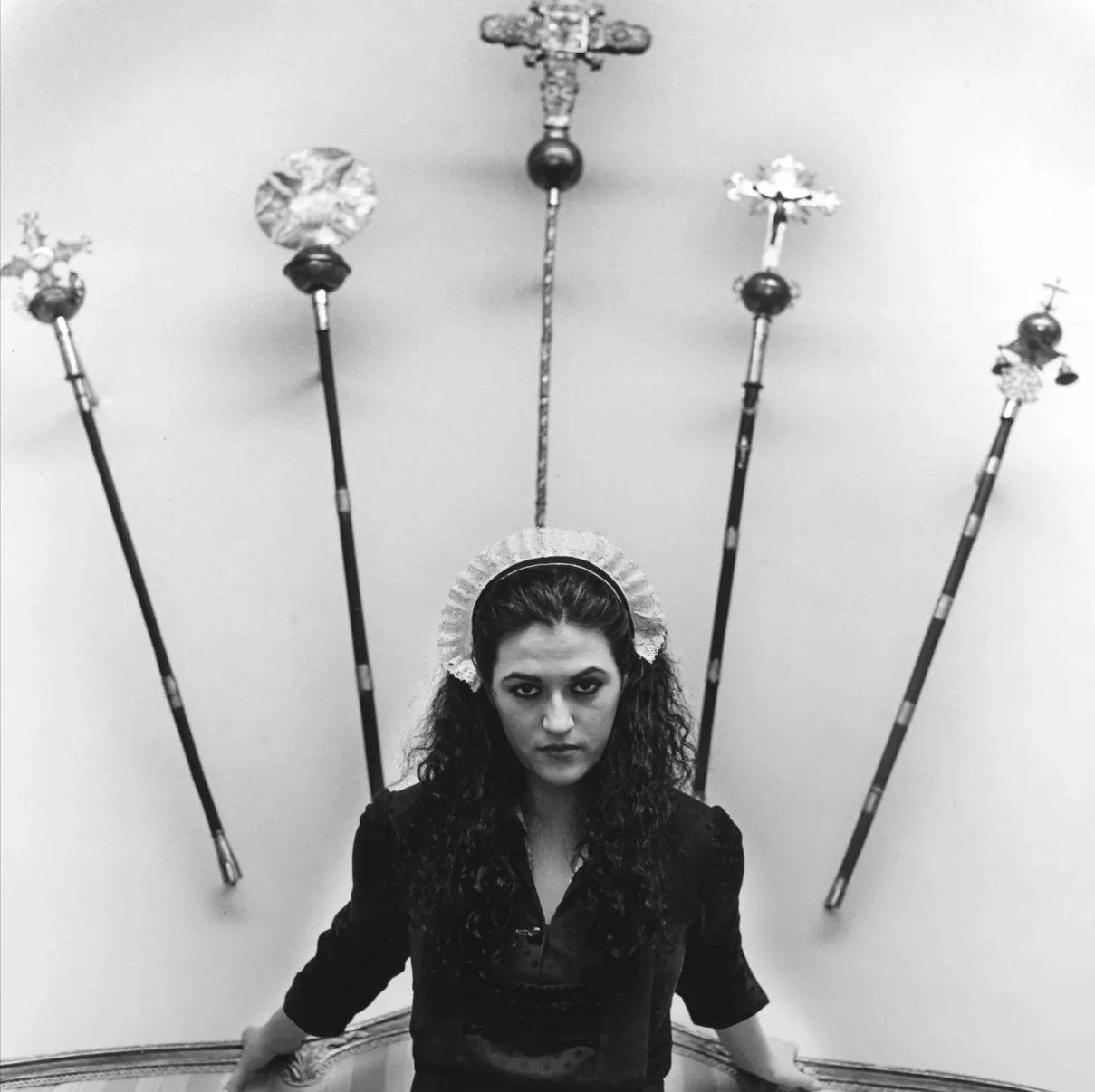
La servidumbre presents portraits of domestic workers across two generations. But these are not passive images of service or subordination. Eleta uses frontality, restraint, gesture, and intense gazes to shift the balance of power between photographer, subject, and viewer.
You’re watching:
- Domestic workers photographed with dignity, presence, and force
- Interiors where labour, class, and colonial history become visible
- A visual ambiguity between Panama and Spain, showing how similar social structures repeat across both contexts
- Older women whose gestures suggest containment, and younger women who confront the camera more directly
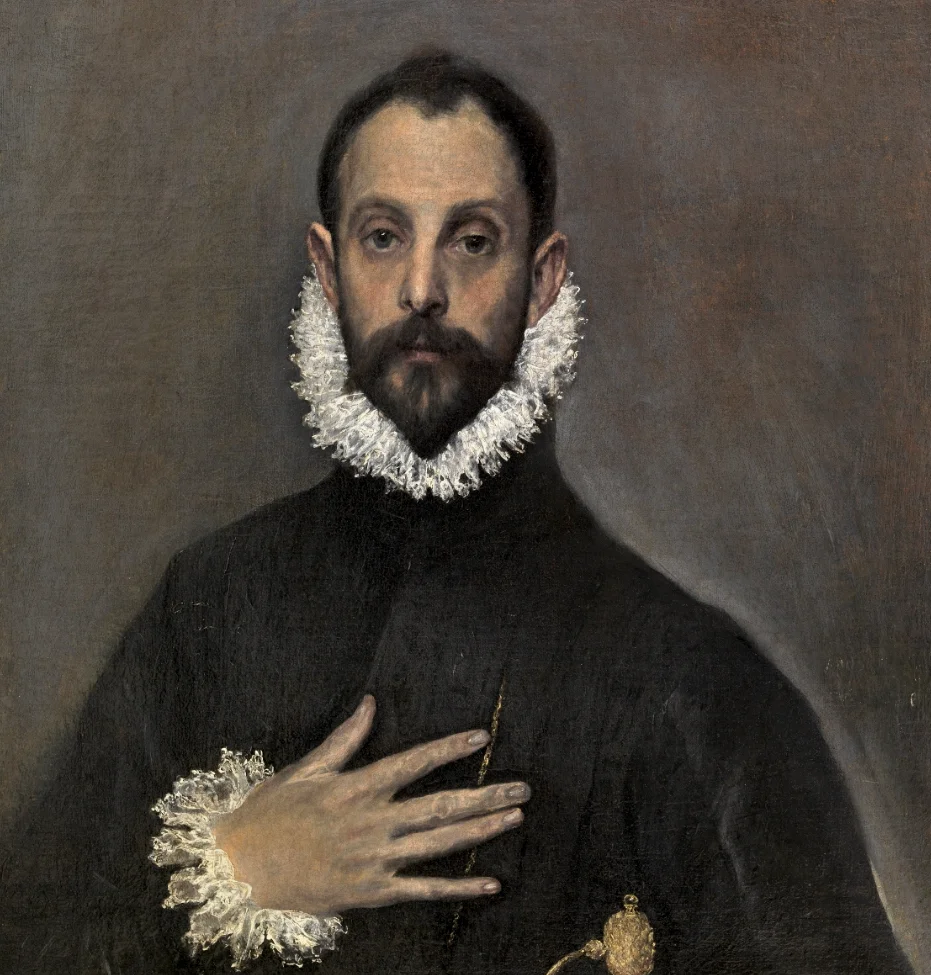
- The powerful image of Romy during the 1989 United States invasion of Panama, armed beneath the painted gaze of her employer’s portrait.
The exhibition turns the domestic space into a place of tension — not private, neutral, or invisible, but political.
Worth travelling for?
Yes — especially if you believe photography can restore visibility and dignity.
This is the first solo exhibition in Spain by Sandra Eleta, spanning MEMORIA’s two Madrid locations. The series was also included in Radical Women: Latin American Art, 1960–1985, underlining its importance within feminist and Latin American art histories.
It matters because La servidumbre forces us to look at work that societies often depend on while keeping invisible. The portraits do not simply document domestic labour — they question who gets represented, who gets looked at, and who has the right to look back.
Experience as an Artlover
Don’t rush the faces — the gaze is where the power shifts
Look at the interiors as social spaces, not just backgrounds
Notice the tension between intimacy and hierarchy
Think about how domestic labour connects gender, class, and colonial history
Compare the older and younger women: the difference in posture and gaze tells part of the story
La servidumbre
Hours & rating from Google