Some pain was never invisible. It was ignored.

Don’t look at this exhibition only as a story about illness. Look at it as a story about listening. The most powerful question Laia Abril asks is not simply what hurts? but why did it take so long for so many people to be believed?
Inside the exhibition
Contemporary photography, visual research, documentary installation, feminist art, and medical-history critique.
Laia Abril uses photography not only to show bodies, but to expose how institutions, language, medicine, and history have shaped what kinds of pain are believed — and what kinds are dismissed.
Endometriosis. El dolor silenciado 1860–2026 is a new installation by Laia Abril, National Photography Award 2023, and her first solo exhibition in a Madrid institution. The project connects the history of endometriosis — first described in 1860 — with a much longer history of medical bias, misdiagnosis, and the delegitimization of pain in women and people with uteruses.
You’re watching:
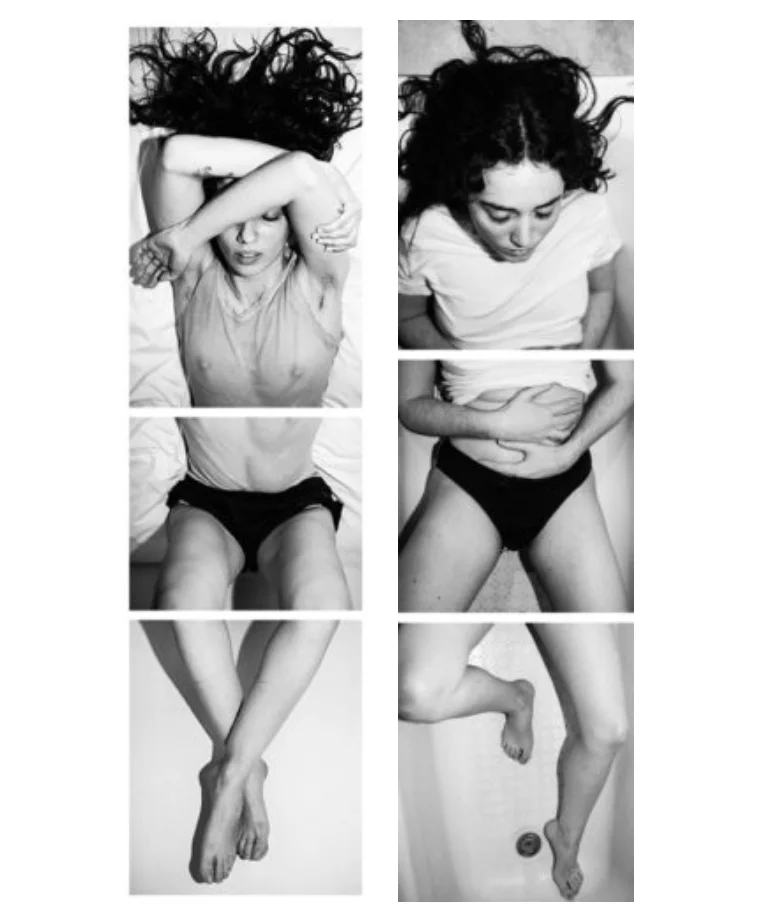
- Fragmented bodies of seven people living with endometriosis
- Images that evoke survival, dissociation, obstetric violence, and institutional neglect
- A visual bridge between “hysteria,” pelvic pain, and reproductive health
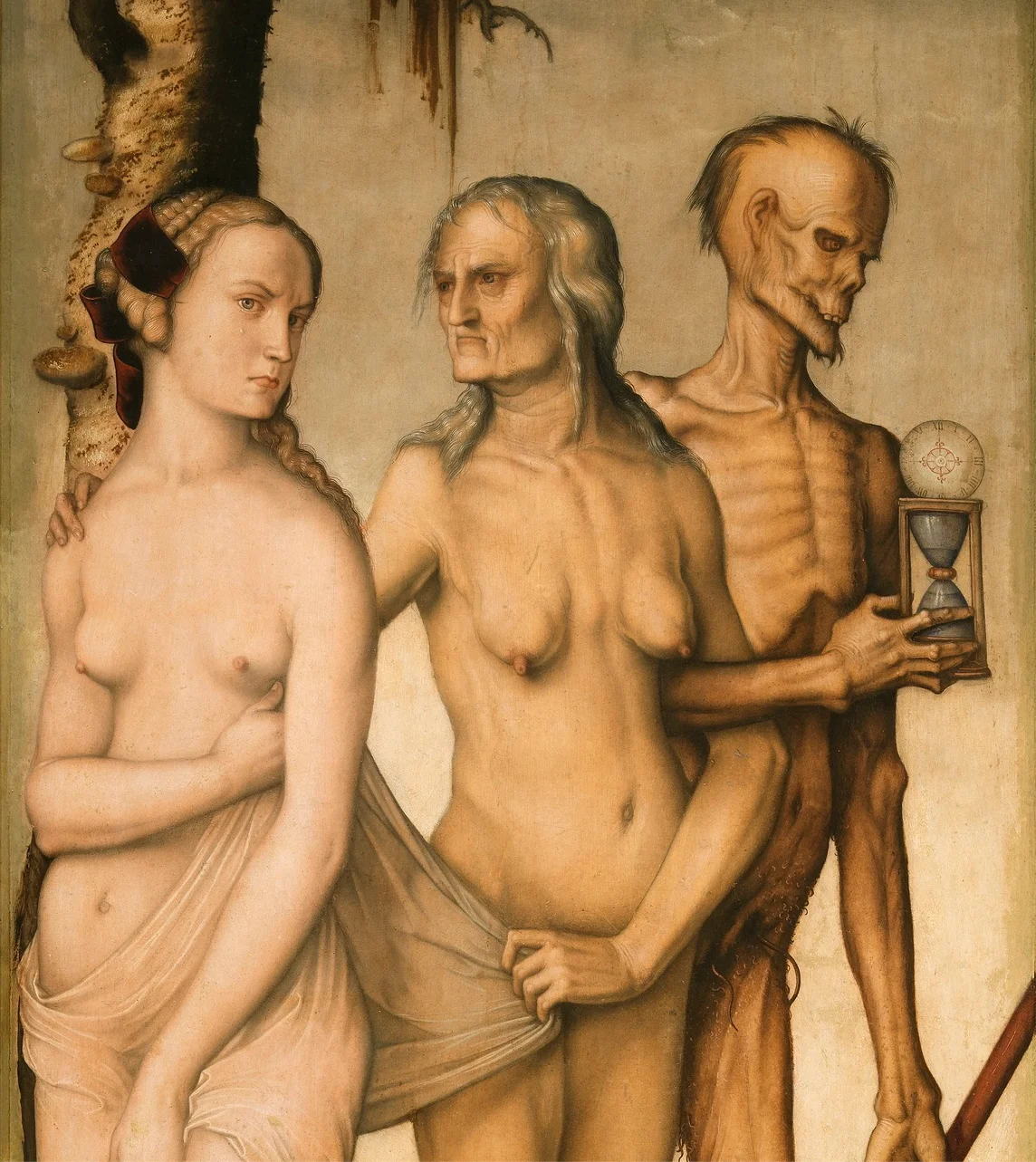
- The historical shadow of figures such as Marie Blanche Wittman, known as “la reine des hystériques”
- A confrontation with the ways medicine has often treated the female body as deviation rather than norm
The result is not simply a photography exhibition.
It is a visual indictment of centuries of silenced pain.
Worth travelling for?
Yes — essential if you believe art can make hidden systems visible.
Endometriosis affects around 190 million women and people with uteruses worldwide, yet it remains under-researched. PHotoESPAÑA notes that up to 83% of patients report having been told their symptoms were normal, exaggerated, or psychological.
This matters because Abril turns a medical condition into a broader cultural question: who gets believed? Whose pain is documented? Whose body becomes a site of control instead of care?
Inside the Museo del Romanticismo, the exhibition gains an even sharper resonance: a contemporary feminist work placed inside a historical setting, making the past feel uncomfortably close.
Experience as an Artlover
Go slowly — this is not an exhibition to “consume” quickly
Read the historical context as carefully as the images
Pay attention to fragmentation: it is part of the experience of survival
Think about the difference between pain that is seen and pain that is believed
Leave space for discomfort — the exhibition is meant to unsettle, not comfort
Endometriosis. El dolor silenciado 1860 – 2026
Hours & rating from Google