At a glance
Salvador Dalí's decades-long obsession with psychoanalysis takes center stage in Madrid, mapping how Sigmund Freud's theories of dreams and desire shaped the painter's visual language far beyond Surrealism.
Meet the artist
Why go
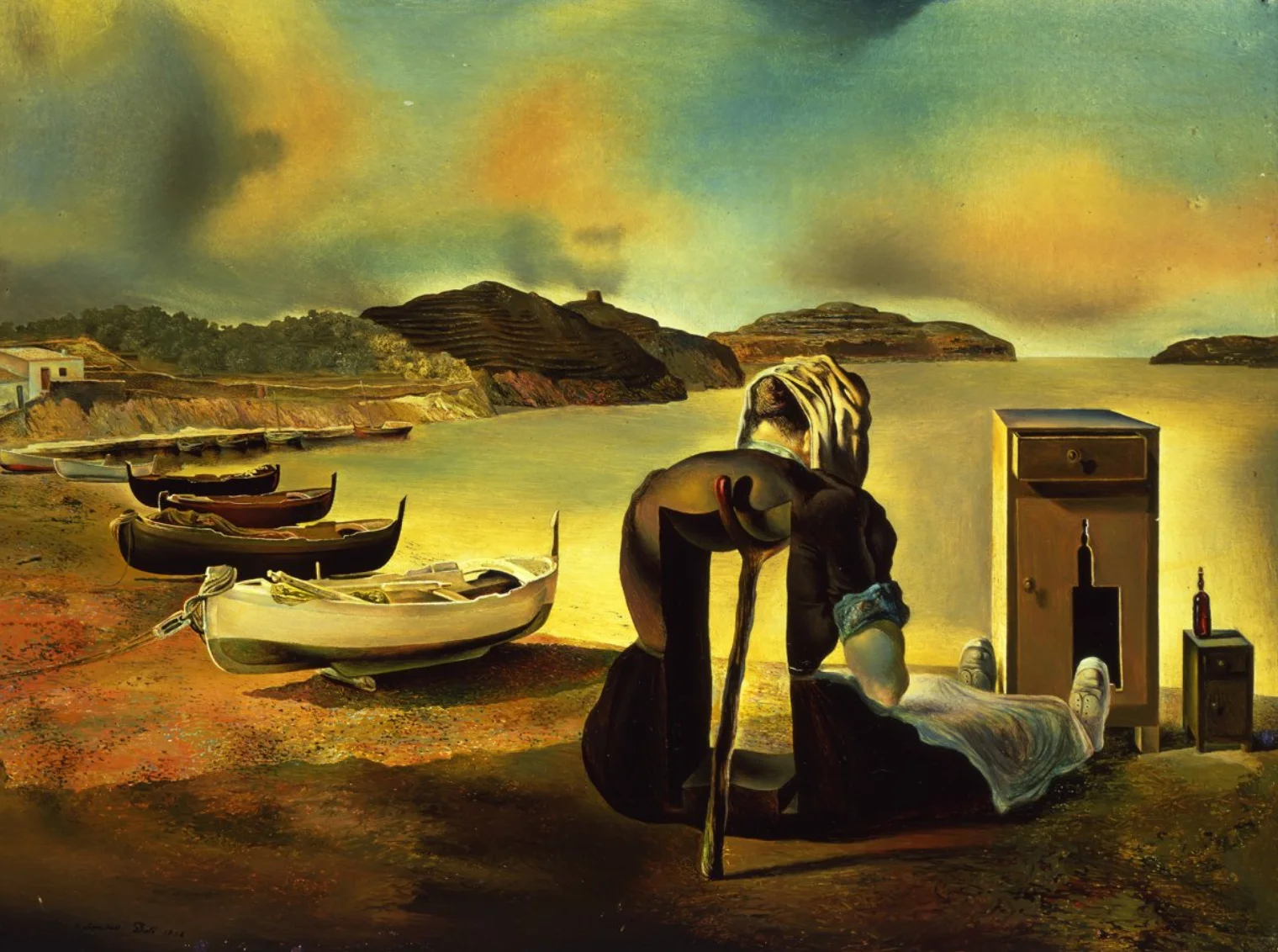
The show goes beyond Dalí's famous melting clocks to trace Freud's psychological grip on his entire career, backed by rare international loans and fascinating comparative works by contemporaries like Picasso and Ernst.
You'll see
Surrealist oil paintings · Ink portraits of Sigmund Freud · Archival documents and videos · Masterpieces by Max Ernst and Pablo Picasso
Pace of visit
Over 130 works, including intricate drawings and detailed text records, require close reading and a steady pace through the galleries.
Don't miss
The ink portrait of Sigmund Freud drawn by Dalí during their pivotal 1938 meeting in London.

Artlovers Tip
Take advantage of the free Saturday evening slots from 21:00 to 23:00 to see the show under softer night lighting, but be sure to line up early as these hours are highly popular.
A dense, intellectually rich exhibition for visitors who want to look past Dalí's public persona and understand the rigorous psychological machinery behind his canvases.
Inside the exhibition
The Freudian Universe of Dalí at the Museo Nacional Thyssen-Bornemisza in Madrid, Spain, reevaluates the Catalan painter's trajectory through his deep connection to psychoanalysis. Rather than focusing solely on his prime Surrealist years, the show charts how Sigmund Freud's texts on dreams, trauma, and the unconscious fueled the artist's imagination from his youth in Figueres to his late career.
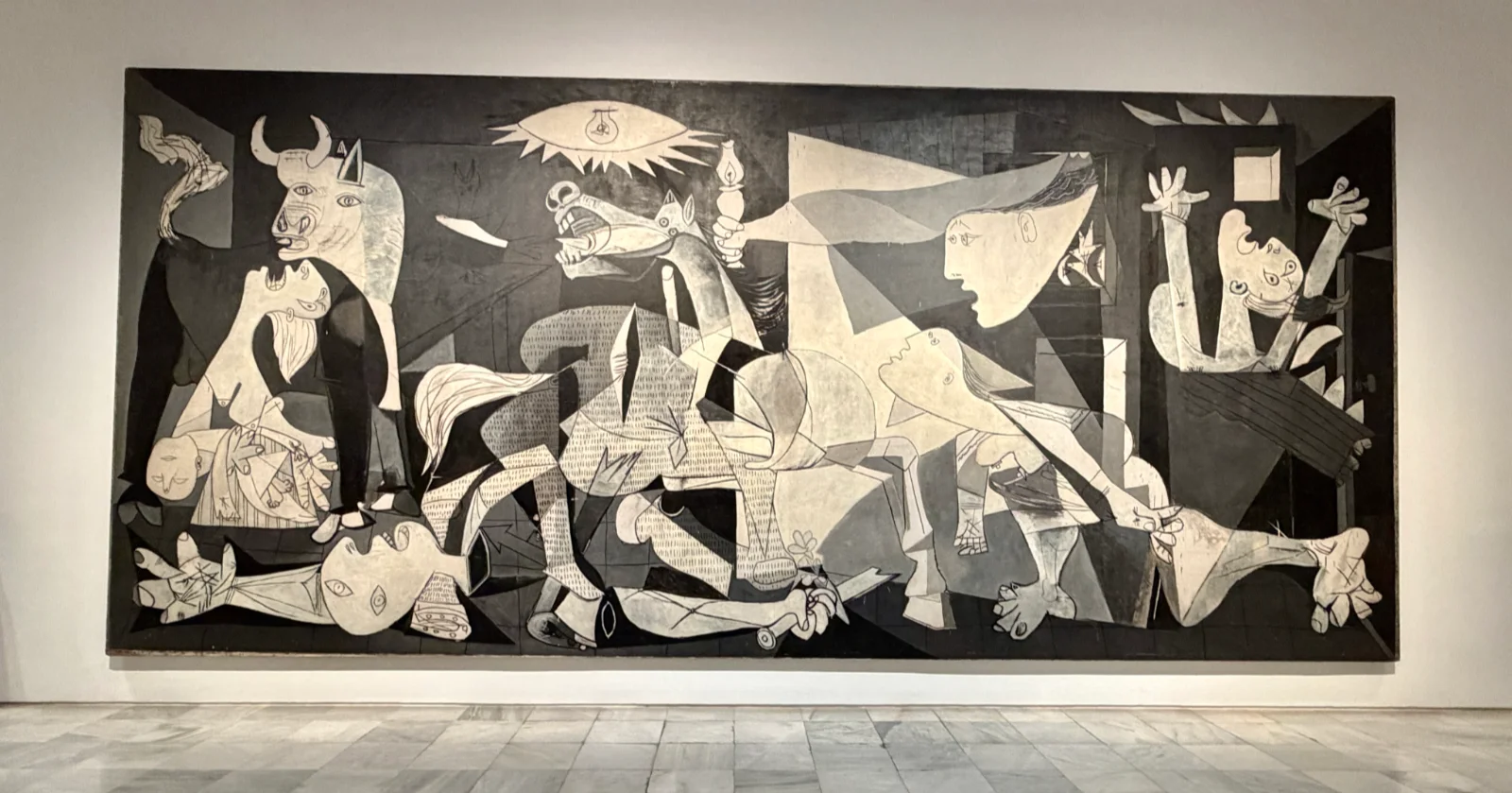
The presentation gathers roughly 130 paintings, sculptures, drawings, and archival documents organized across six chronological chapters. Visitors can trace this psychological timeline from early family portraits to his signature paranoiac-critical paintings, alongside works by contemporaries like Max Ernst, Yves Tanguy, and Pablo Picasso that ground the movement in its wider European context.
This curatorial approach moves away from eccentric showmanship to reveal a calculated, deeply intellectual artist. By highlighting the pivotal 1938 meeting between the painter and the psychoanalyst in London, it shows how clinical theories became raw material for a rigorous visual methodology that redefined twentieth-century art.
The Freudian Universe of Dalí
Artlovers relevance
Plan your visit
Hours & rating from Google