At a glance
Wars write the history books, but how do fractured societies learn to inhabit the same physical and political landscape once the fighting stops?
Meet the artist
Why go
Dublin's Irish Museum of Modern Art brings together 59 artists from 17 European countries to investigate the fragile, ongoing process of post-conflict reconciliation through more than 100 works.
You'll see
Video art and film installations · Archival materials and photographs · New international commissions · Works from IMMA's Collection · Five thematic chapters exploring peace
Pace of visit
Allow ample time to engage fully with the extensive film installations and historical materials.
Don't miss
Willie Doherty's film ENDLESS, which investigates mistrust, political uncertainty and the reliability of visual evidence in divided societies.

Artlovers Tip
Begin by reviewing the five thematic chapters to understand the exhibition's conceptual framework, then pay close attention to how the Irish context connects with experiences from other European regions.
Inside the exhibition
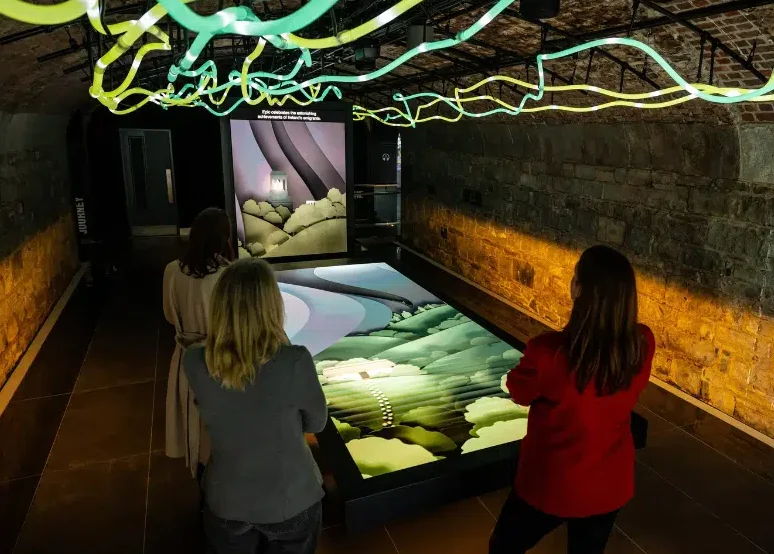
Technologies of Peace: Art and Transition in Contemporary Europe (1989–2026) at the Irish Museum of Modern Art in Dublin examines how contemporary artistic practices have responded to political transformations across the continent since 1989. Rather than focusing on the spectacle of conflict, the exhibition explores the complex, everyday work of rebuilding societies after political agreements are signed and the headlines fade.
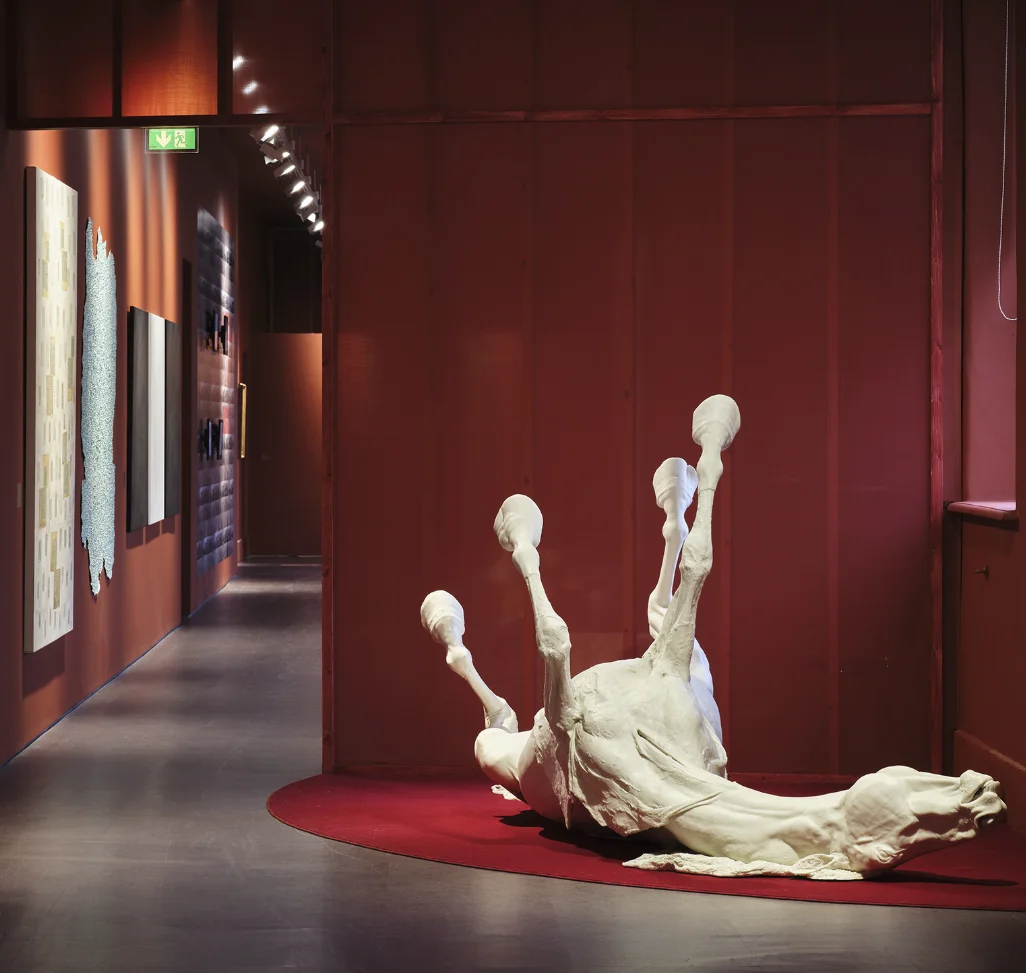
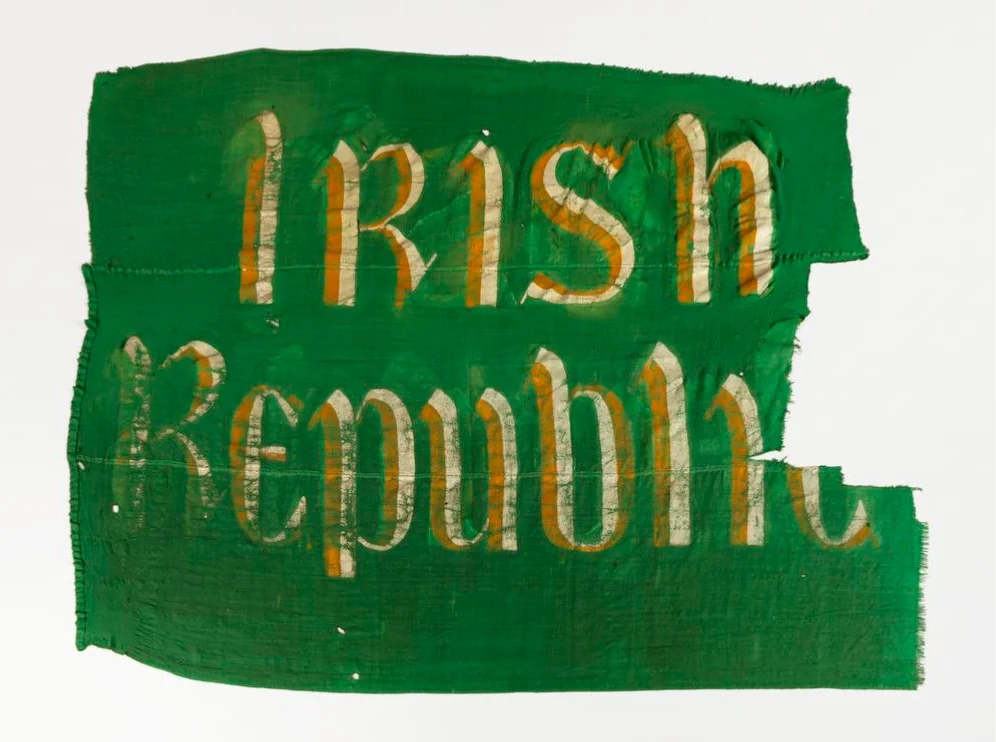
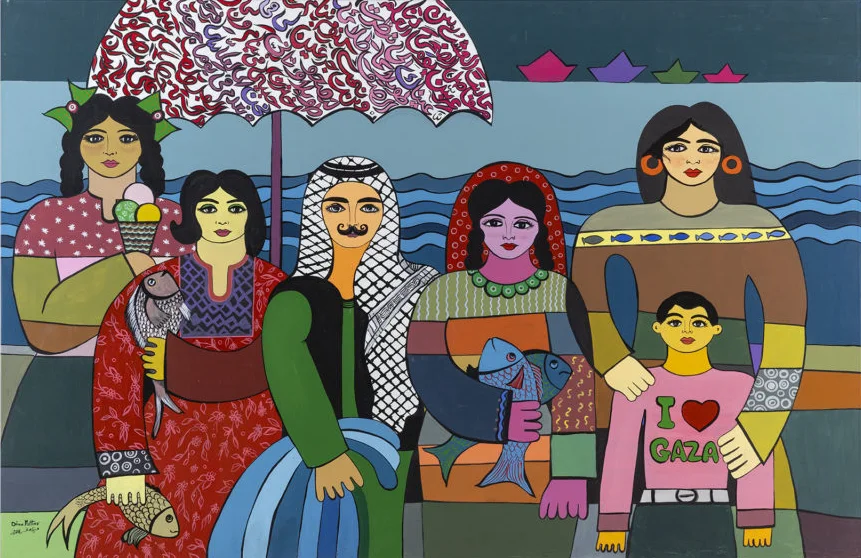
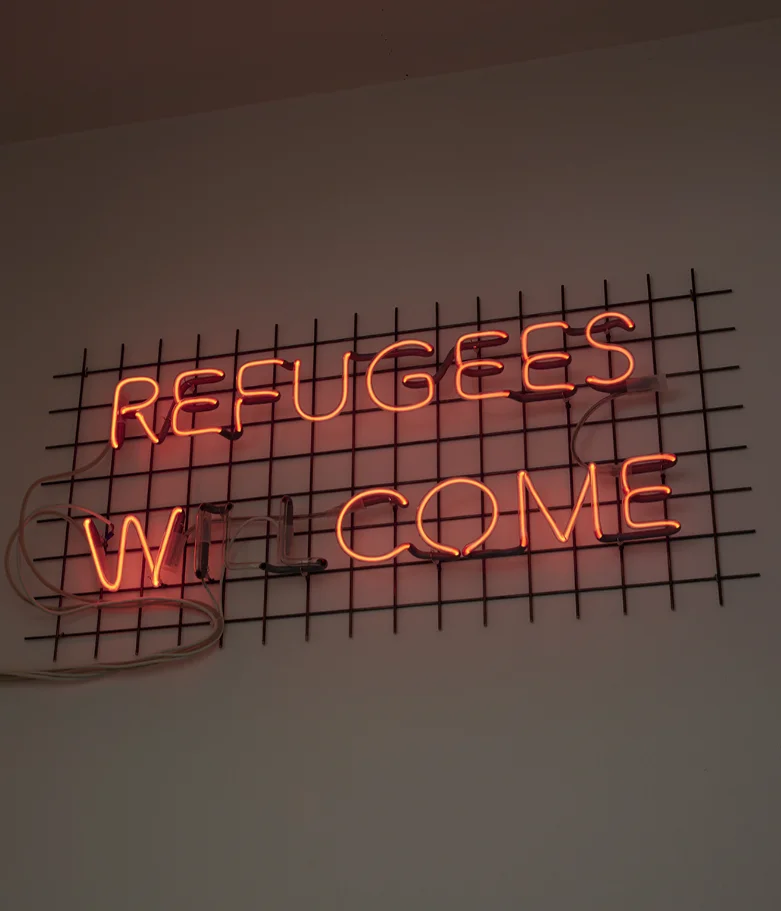
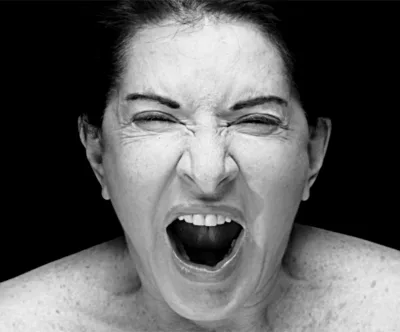
The presentation brings together more than 100 artworks by 59 artists, spanning video art, photography, sculpture, installation and archival materials. Organised into five thematic chapters, the display includes significant international loans shown in Ireland for the first time, alongside new commissions and works from IMMA's own collection. Contributors such as Marina Abramović, Petrit Halilaj, Willie Doherty and Małgorzata Mirga-Tas address themes of memory, displacement, trauma and the fragile foundations of democracy.
By placing Northern Ireland's peace process in direct dialogue with transitions in the Balkans, Central Europe and beyond, the exhibition offers a broad perspective on shared European histories. It reframes peace not as a fixed destination, but as an ongoing cultural and social process that demands continuous attention and care.
Worth travelling for?
A substantive, thought-provoking exhibition for travellers interested in contemporary European history, political art and the ways cultural practices address societal transformation.
Experience as an Artlover
Admission to the exhibition is free. Visitors can explore the galleries during normal museum opening hours, with certain associated screenings taking place outdoors or during specific dates.
Technologies of Peace — Art and Transition in Contemporary Europe (1989–2026)
Admission
Artlovers relevance
On view at
Hours & rating from Google