

At a glance
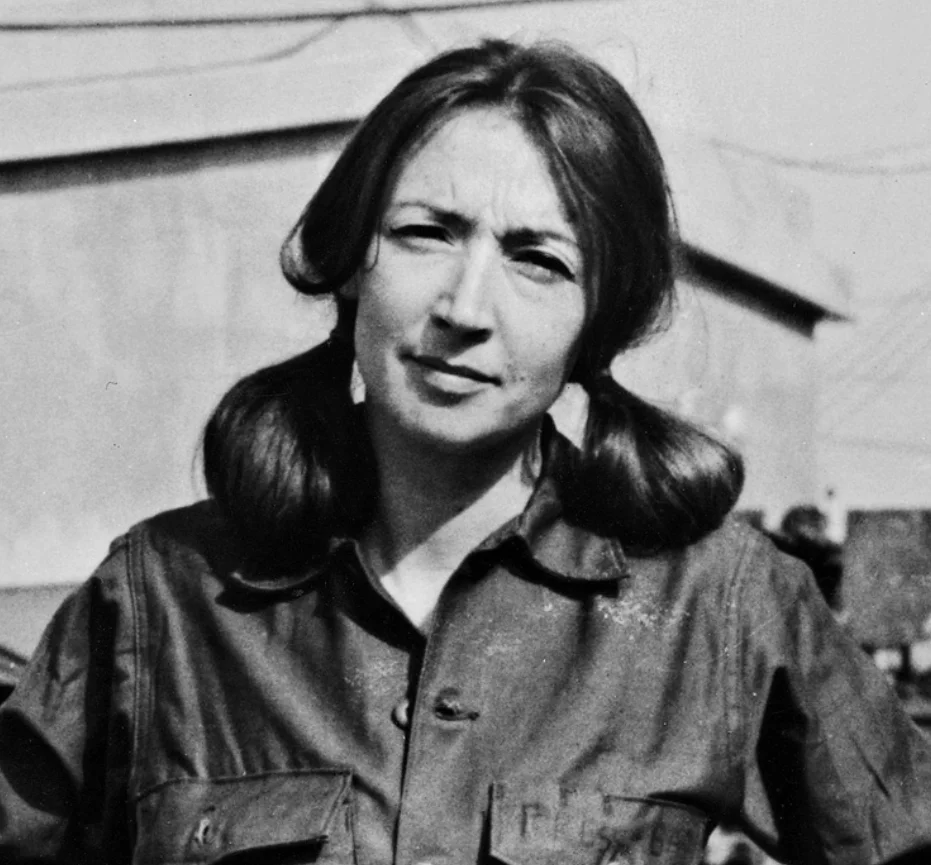
A sharp photographic and biographical portrait of Oriana Fallaci traces her journey from the Italian Resistance to the frontlines of twentieth-century global conflict.
Meet the artist
Why go
Marking twenty years since her death, this biographical show connects Fallaci's private life to the turbulent historical events she covered, offering a rare look at how she transformed journalism into an intensely confrontational form of storytelling.
You'll see
Archival documents and manuscripts · Vietnam and Tlatelolco material · Celebrated political interviews · Portraits by Ugo Mulas and Annie Leibovitz
Pace of visit
The heavy archival focus and numerous documentary photographs require sustained attention and reading.
Don't miss
The interview sections, which highlight Fallaci's approach to journalism as a contest between two distinct personalities.

Artlovers Tip
Read a few pages of Interview with History before your visit. Recognizing her distinct rhythm and confrontational technique will make the documents in the galleries much more vivid.
Inside the exhibition
Palazzo Reale in Milan, Italy, presents a major biographical and photographic exhibition dedicated to the journalist, writer and war correspondent Oriana Fallaci. Marking two decades since her passing, the show examines her formidable public persona and her relentless engagement with the twentieth century's most defining conflicts.
Visitors encounter a wide array of archival materials, including personal possessions, books, correspondence, manuscripts and photographs. The display covers her reporting from the Italian Resistance as a child, the Vietnam War, and the 1968 Tlatelolco massacre, alongside portraits captured by prominent photographers such as Ugo Mulas, Oliviero Toscani and Annie Leibovitz.
The exhibition centres on her celebrated and combative interviews with international political leaders, including Henry Kissinger, Ayatollah Khomeini, Yasser Arafat and Muammar Gaddafi. Through these materials, the project investigates how Fallaci shaped her public identity as a solitary reporter facing history while engaging with the controversies surrounding her legacy.
Worth travelling for?
A compelling cultural-history stop for visitors interested in twentieth-century media, war reportage and the complex legacy of an exceptional Italian journalist.
Experience as an Artlover
The venue is located at Piazza del Duomo 12, Milan, with direct access via the Duomo metro station on lines M1 and M3. Exact opening hours, ticket prices and booking details remain to be announced by the museum.
Solo io posso raccontare la mia storia
Admission