At a glance
See how the world’s first cities managed water as both a life-giving political tool and a devastating natural force through ancient Mesopotamian relics.
Why go
The exhibition reinterprets ancient history through a modern lens, showing how the first urban societies navigated the same fragile environmental challenges we face today.
You'll see
Cuneiform tablets · River imagery · Ritual objects · Flood narratives · Archaeological evidence
Pace of visit
Expect a high density of information, as the objects require reading and contextual analysis to fully understand their significance.
Don't miss
The cuneiform tablets containing early flood narratives, which illustrate how ancient cultures processed environmental disasters through storytelling.

Artlovers Tip
Spend time with the translated cuneiform texts; the real impact of the exhibition lies in understanding how these ancient records link environmental management to political power.
Inside the exhibition
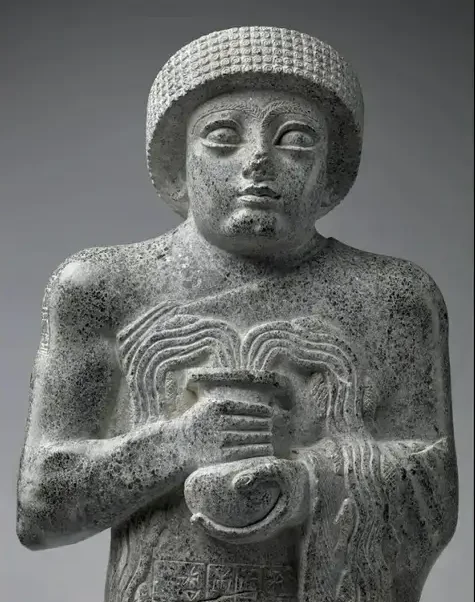
Primeval Waters: Lessons from Mesopotamia at the Musée du Louvre in Paris, France, traces the foundational relationship between water and the birth of civilization. The display examines how the Tigris and Euphrates rivers shaped the world’s earliest urban centers, acting as both a catalyst for growth and a threat to survival.
The exhibition brings together archaeological evidence including river imagery and ritual objects used by these ancient societies. Visitors will encounter cuneiform tablets that document administrative systems and flood narratives, revealing how Mesopotamian cultures organized their political and social structures around their local hydrology.
By connecting ancient history to environmental history, the Louvre offers a timely look at human settlement within fragile ecosystems. Rather than a traditional archaeological survey, the show highlights how systems of power were built upon the control and management of natural resources.
Worth travelling for?
A dense but worthwhile show for visitors who want context, not just masterpieces, providing a sharp perspective on early urban survival.
Experience as an Artlover
The exhibition is open daily at the Musée du Louvre through mid-March 2027, though checking specific museum entry slots is recommended due to the context-heavy nature of the display.