At a glance
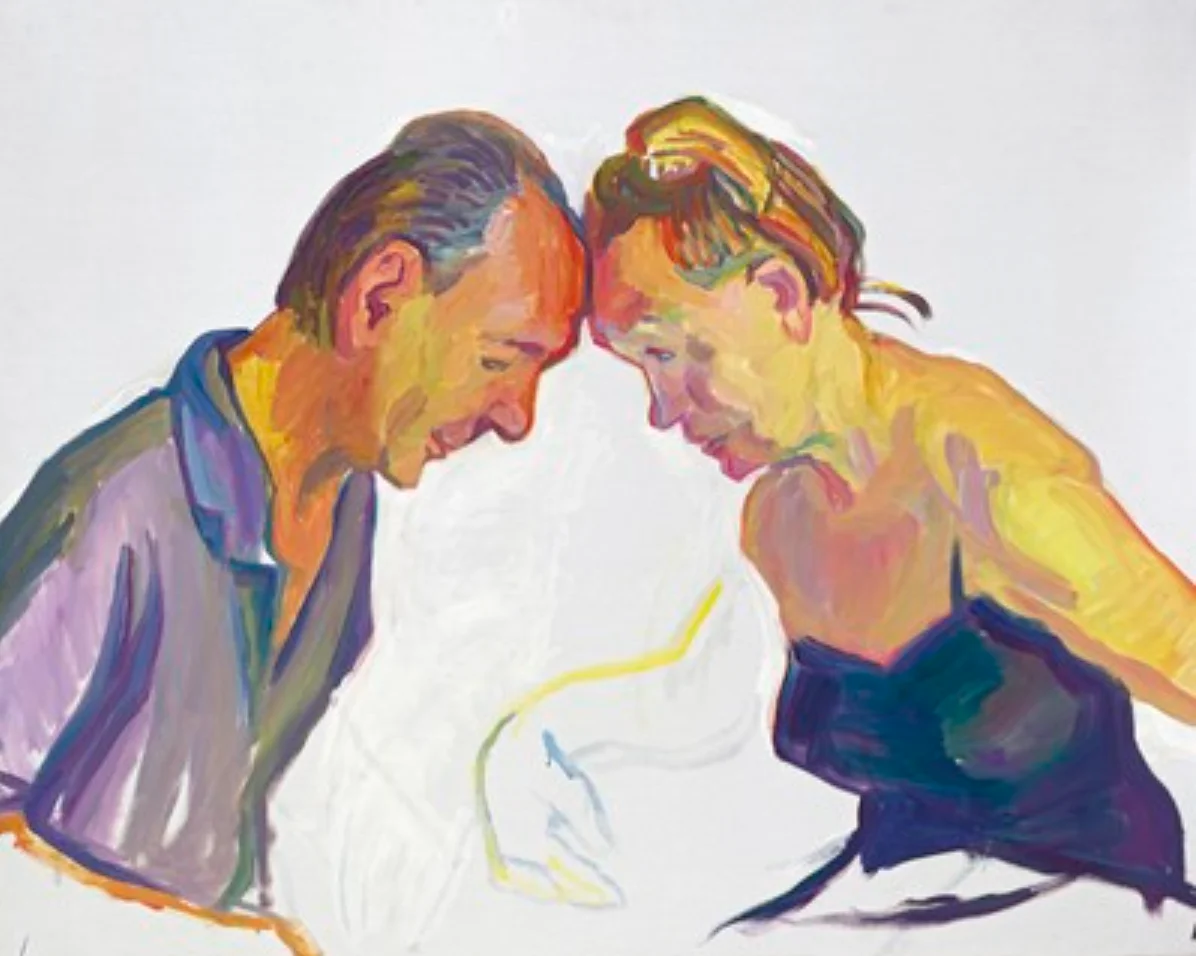
An ambitious encounter between two artists across centuries connects Edvard Munch's psychological landscapes with Maria Lassnig's radical body-awareness paintings.
Meet the artist
Why go
Maria Lassnig and Edvard Munch — Flow of Paint = Flow of Life
This is the first time an exhibition places Lassnig and Munch in direct dialogue, offering international art travellers a rare opportunity to see how both figures transformed intense internal experiences into groundbreaking painting.
You'll see
Emotional landscapes · Body-awareness paintings · Exceptional international loans · Works on paper
Pace of visit
A dense hang of approximately 150 works across two artistic practices rewards measured looking.
Don't miss
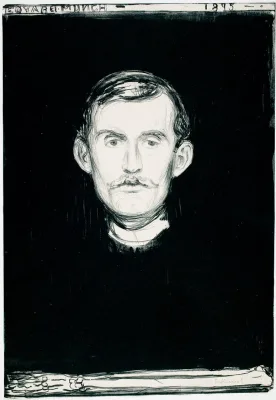
The revealing placement of Munch's Self-Portrait with the Spanish Flu alongside Lassnig's Flow of Paint = Flow of Life.

Artlovers Tip
Allow around 75 to 100 minutes to fully absorb the distinct emotional registers of both artists, and consider renting an audioguide for additional context.
Great art doesn't simply show us the human body. Sometimes it reveals what being human feels like.
Inside the exhibition
Maria Lassnig and Edvard Munch — Flow of Paint = Flow of Life at Kunsthaus Zürich brings together approximately 150 works, including 78 paintings, to examine the unexpected connections between two major figures of modern and contemporary art.
Spanning painting, drawing and works on paper, the exhibition gathers important international loans from Oslo's MUNCH museum, the Maria Lassnig Foundation and other collections. The selection explores shared themes of the body, emotions, illness, mortality and the relationship between human beings and nature, highlighting works such as Munch's Vampire in the Forest alongside Lassnig's bodily investigations.
By placing Munch's outward expression of anxiety and desire beside Lassnig's inward perception of physical sensation, the exhibition challenges conventional art-historical categories and demonstrates how both painters pushed the medium beyond visual reproduction to capture what it feels like to inhabit a body.
Edvard Munch (1863–1944) · Norwegian · Expressionism
One of modern art's most influential painters, Munch transformed personal experiences of love, grief, anxiety and mortality into images of extraordinary psychological intensity.
Maria Lassnig (1919–2014) · Austrian · Contemporary figurative painting
A pioneering painter whose distinctive body awareness approach challenged traditional representations of the human figure and opened new possibilities for expressing internal sensations.
Worth travelling for?
Absolutely. The scale, exceptional loans and unusual pairing make this one of Zürich's strongest exhibition propositions for international art travellers.
A compelling, well-loaned proposition for travellers interested in expressionism, psychological portraiture and the material realities of painting.
Experience as an Artlover
The exhibition is located on the first floor of the Moser Building, with admission priced at CHF 31 regular and CHF 22 reduced, and optional audioguides available for CHF 7.
Maria Lassnig and Edvard Munch
Admission
Artlovers relevance
On view at
Hours & rating from Google