At a glance
This study of Berlin’s most storied district examines how decades of migration and grassroots activism transformed a divided urban space into a global cultural symbol.
Why go
It provides a necessary perspective on the right to the city, using the specific history of Kreuzberg to address broader European questions of displacement, identity, and community-led urban change.
You'll see
Migrant cultural networks · Activist archives · Neighbourhood photography · Artists’ initiatives · Changing urban identities
Pace of visit
The wealth of archival material and documentation requires significant reading and focused attention.
Don't miss
The activist archives, which document the local resistance and housing struggles that defined the neighbourhood's social fabric.

Artlovers Tip
Walk through Kreuzberg after your visit; the neighbourhood itself serves as the exhibition’s essential second chapter and living extension.
Inside the exhibition
Kreuzberg: Art and Migration since 1960 at the Gropius Bau in Berlin, Germany, presents the district as a contested cultural territory shaped by decades of movement. The exhibition examines how migration, housing struggles, and artistic self-organisation have transformed the area into a global symbol of urban resistance and identity.
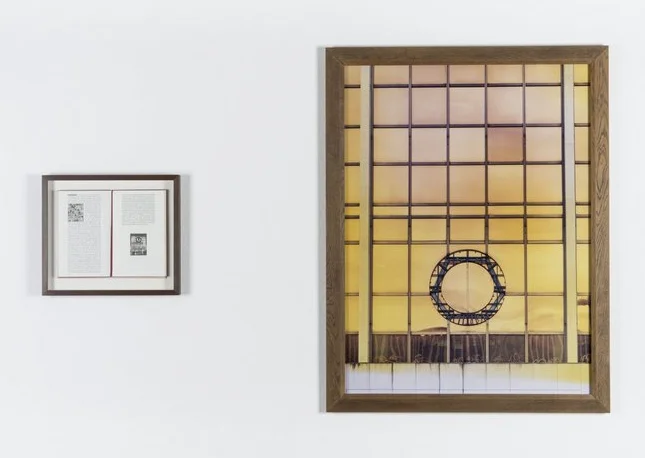
The display brings together neighbourhood photography, film, and installations alongside extensive historical archives to illustrate changing social landscapes. Visitors will encounter evidence of migrant cultural networks and various artists’ initiatives that emerged from the district’s unique social and political pressures from the postwar period to the present day.
By connecting local history to broader European debates about belonging, the show offers a complex reading of the modern city. It highlights how collective memory and social activism continue to influence the way people claim their right to live and create in Berlin today.
Worth travelling for?
A dense but rewarding show for visitors who want social context rather than just masterpieces, offering a deep dive into Berlin’s political and cultural DNA.
Experience as an Artlover
Check the Gropius Bau official website for admission details and information regarding archival access or specific programming related to the neighbourhood history.