At a glance
Salvatore Settis and Rem Koolhaas dismantle the myth of a secluded Greco-Roman world by mapping a millennium of deep-rooted trade and cultural fusion between the Mediterranean and Asia.
Why go
This ambitious survey moves beyond traditional Western-centric archaeology, pairing rare artifacts like Indian ivories found in Pompeii with a striking architectural installation by AMO/OMA to rethink global connectivity in the ancient world.
You'll see
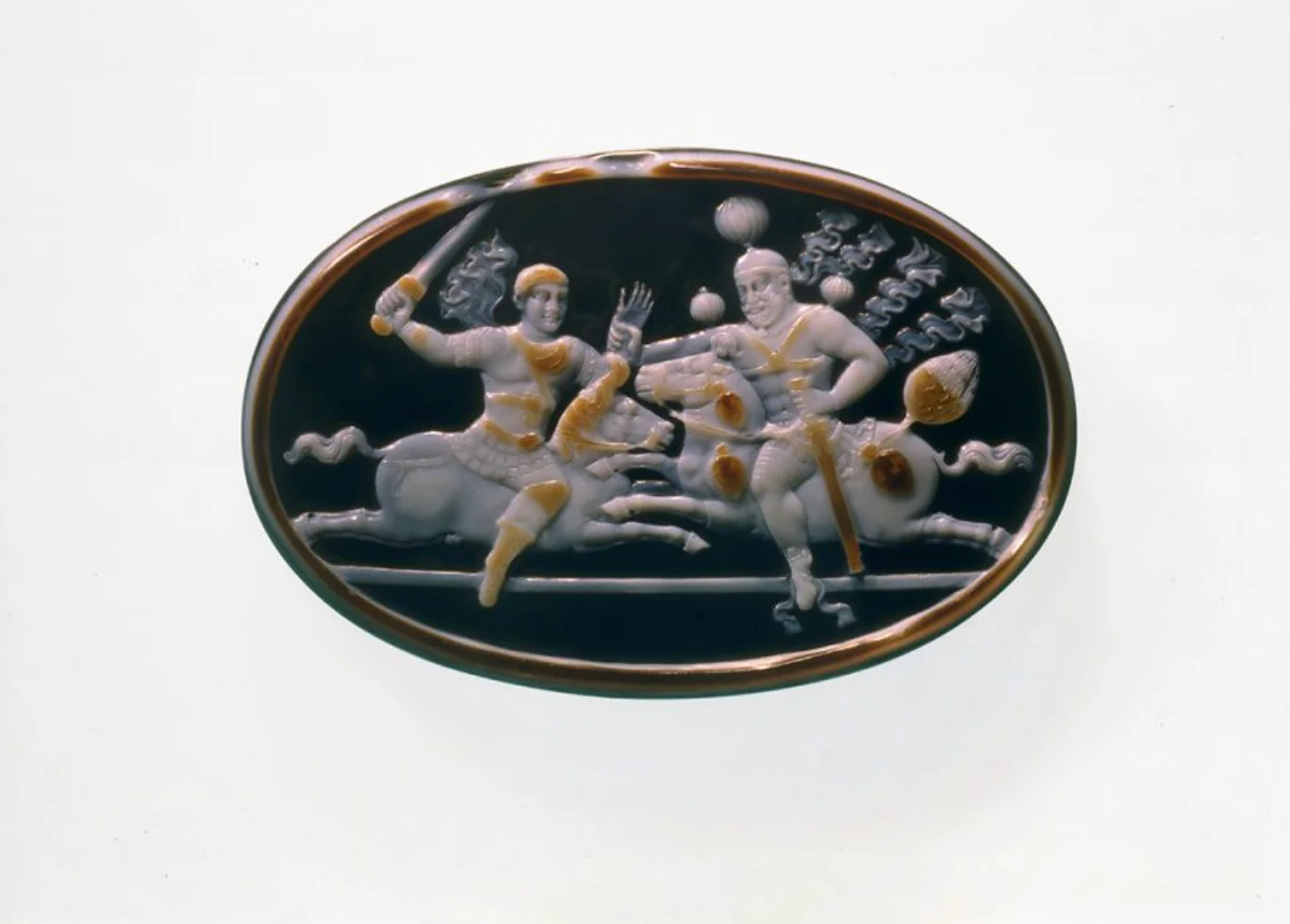
Indian ivory from Pompeii · South Arabian bronze · The Shapur I cameo · Mediterranean antiquities · Evidence of long-distance exchange
Pace of visit
The high density of objects and technical research requires a slower pace to fully grasp the complex historical connections.
Don't miss
Material proof of Asian presence within the Roman world, where artifacts reveal a physical reality often ignored in classical histories.

Artlovers Tip
Read the detailed chronology before entering the object-rich core of the exhibition to better understand the vast timeline and cross-cultural links.
Inside the exhibition
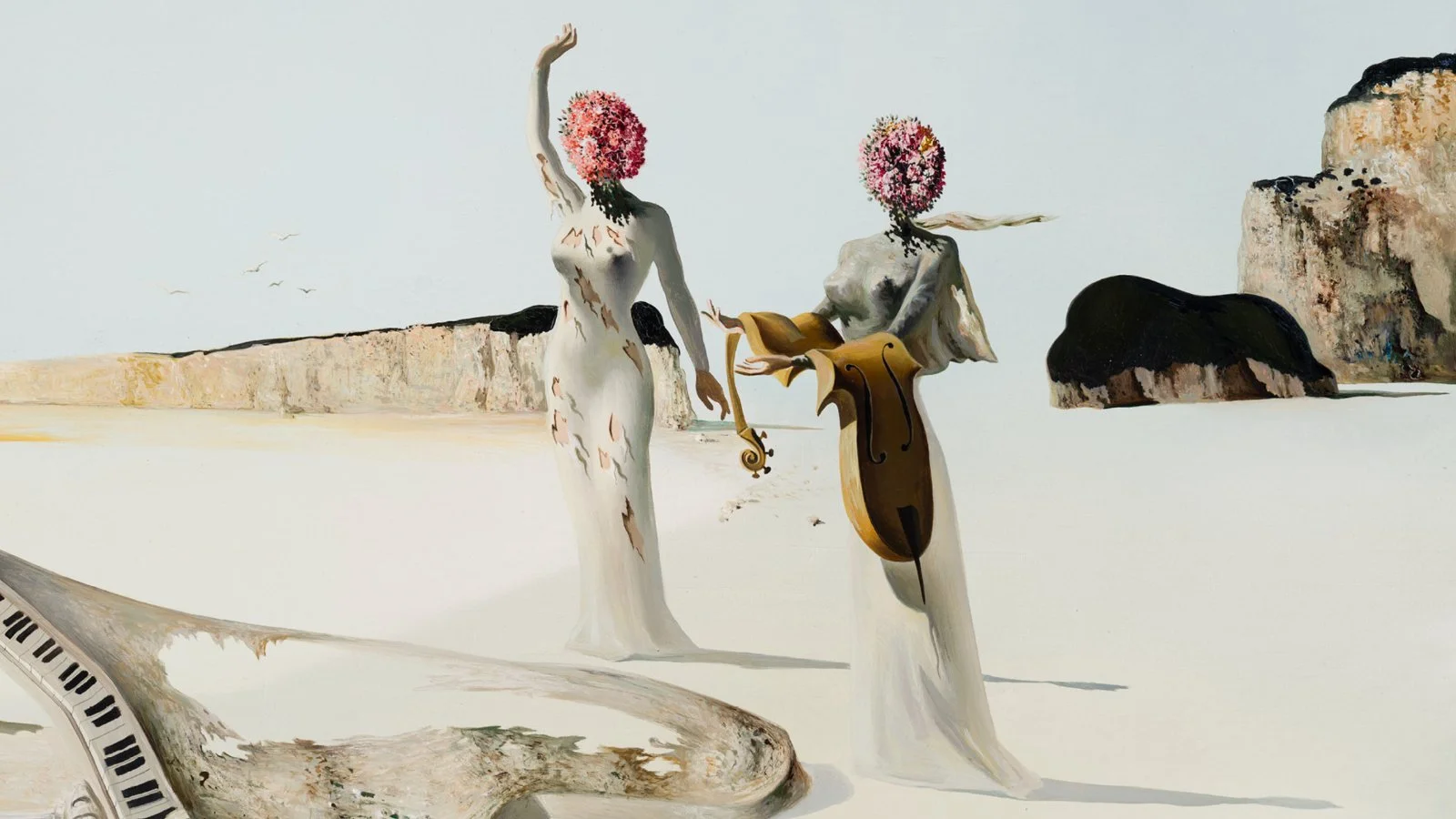
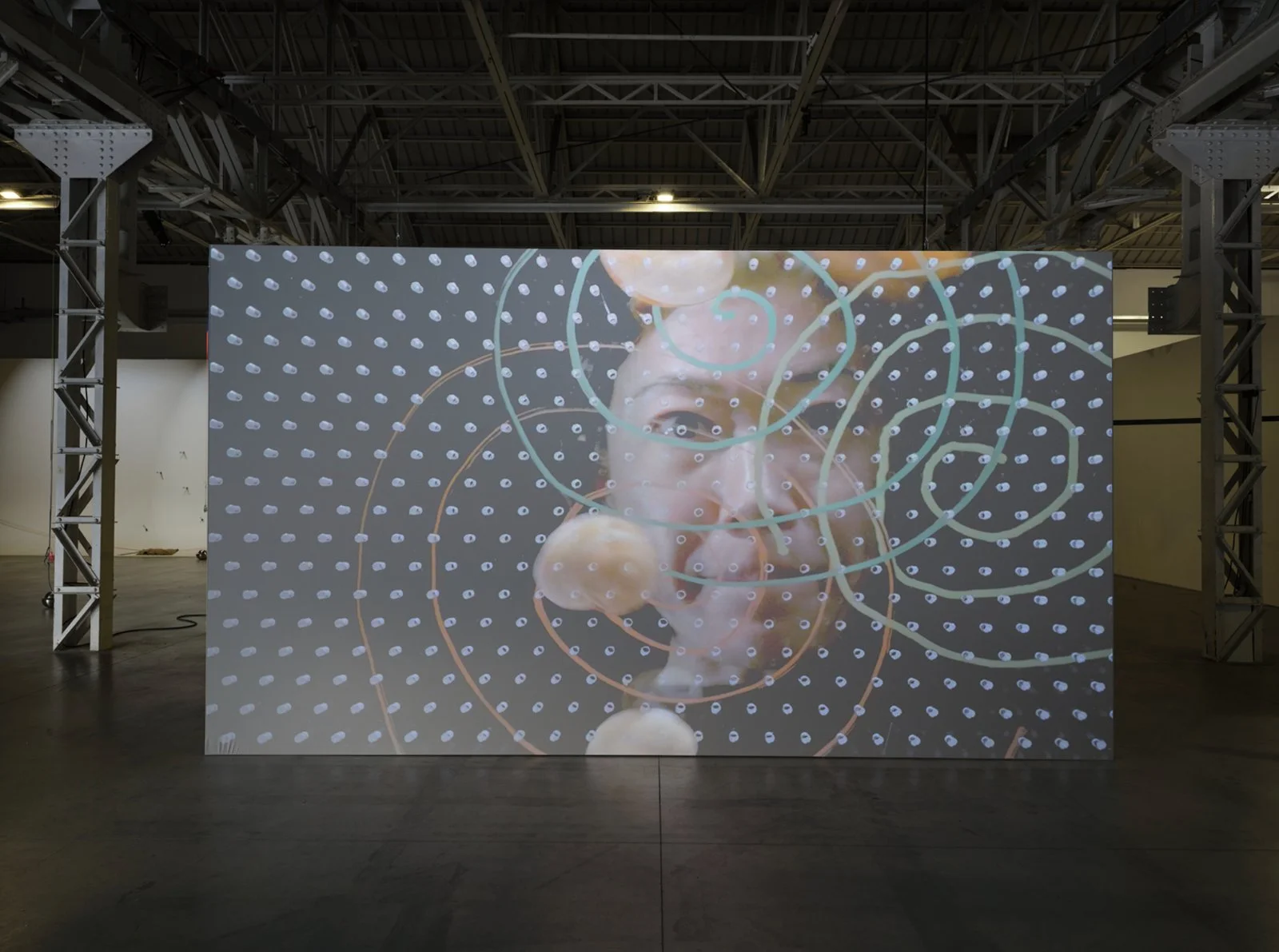
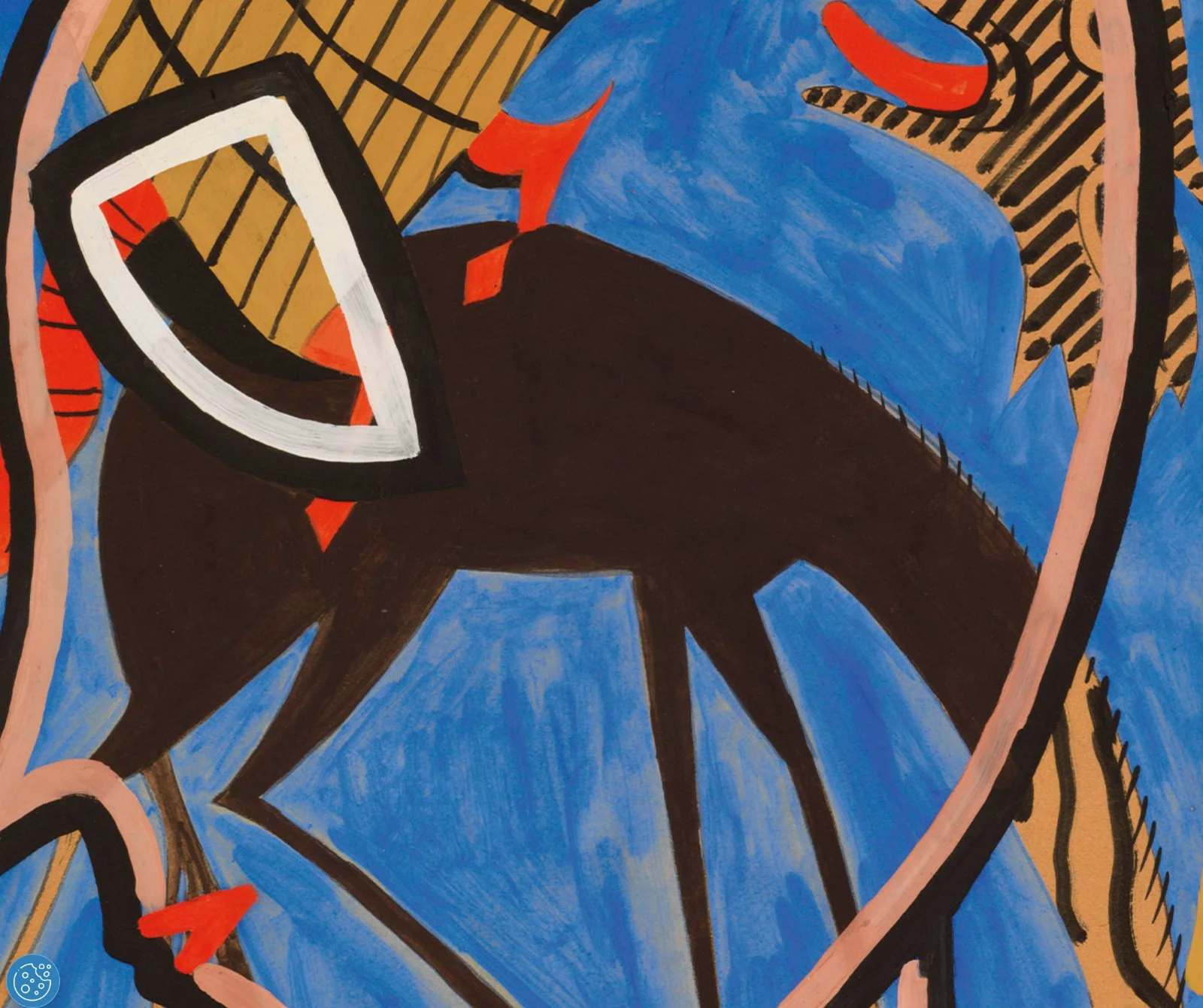
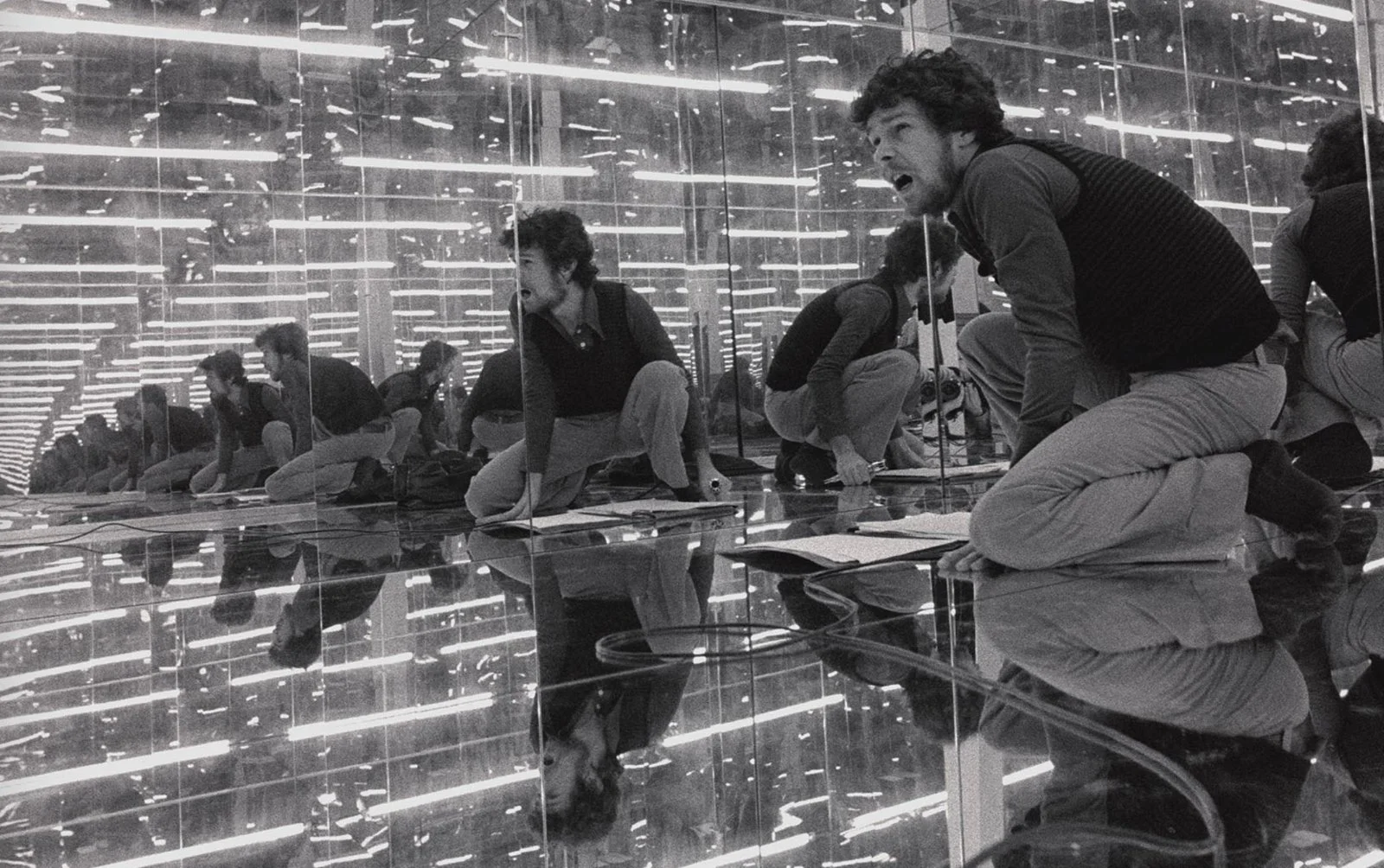
Global Antiquity at Fondazione Prada in Milan, Italy, re-evaluates the relationship between the Mediterranean and Asian cultures from 700 BCE to 1000 CE. Curated by Salvatore Settis, the exhibition uses a vast array of artifacts to challenge the narrative of a self-contained classical civilization, showcasing how these distant regions were actually linked through continuous exchange.
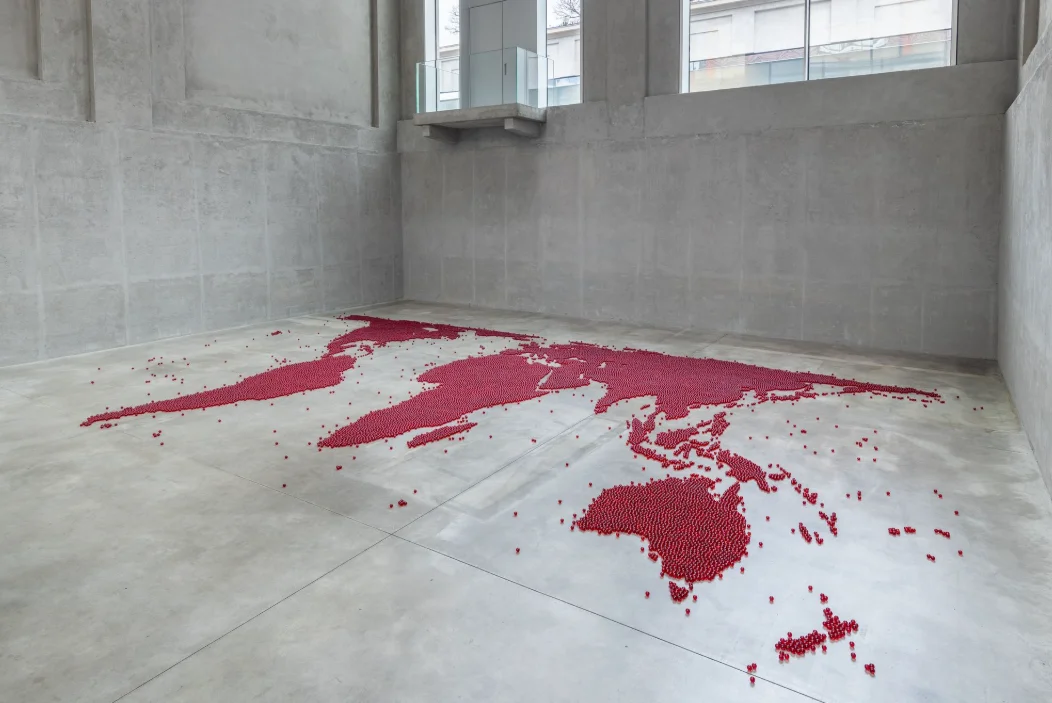
The display features high-profile loans including a South Arabian bronze, the Shapur I cameo, and an Indian ivory figurine recovered from the ruins of Pompeii. Housed in a spatial environment designed by Rem Koolhaas and AMO/OMA, the exhibition organizes these sculptures and objects into a dense network that illustrates the movement of ideas, materials, and artistic styles across vast distances over seventeen centuries.
By placing Mediterranean antiquities alongside evidence of long-distance trade, the project highlights the material reality of a globalized ancient world. It is a rigorous research-led show that transforms the way we view Roman and Greek history, moving the focus away from isolation and toward a sophisticated, interconnected past.
Worth travelling for?
An intellectually ambitious and visually exceptional study for visitors who want deep historical context and a fresh perspective on the ancient world.
Global Antiquity — Mediterranean and Asian cultural exchange
Admission
Artlovers relevance
Plan your visit
Hours & rating from Google