At a glance
A century of municipal collecting reveals how Rome moved from Symbolism and Futurism through Metaphysical painting, abstraction, and the post-war avant-garde.
Meet the artist
Why go
More than 120 paintings, sculptures, and graphic works occupy three floors of a former convent, charting both the evolution of Italian modern art and the changing cultural ambitions of Rome.
You'll see
Futurism and Second Futurism · Magic Realism · Metaphysical painting · Roman School works · Historical photographs and documents
Pace of visit
Allow around two hours to explore all three floors and read the extensive historical documentation.
Don't miss
Giulio Turcato's painting Comizio, which pushes political energy toward abstraction.

Artlovers Tip
Do not confuse this venue with the larger Galleria Nazionale near Villa Borghese. This municipal gallery is located on Via Francesco Crispi, just a short walk from the Spanish Steps.
Inside the exhibition
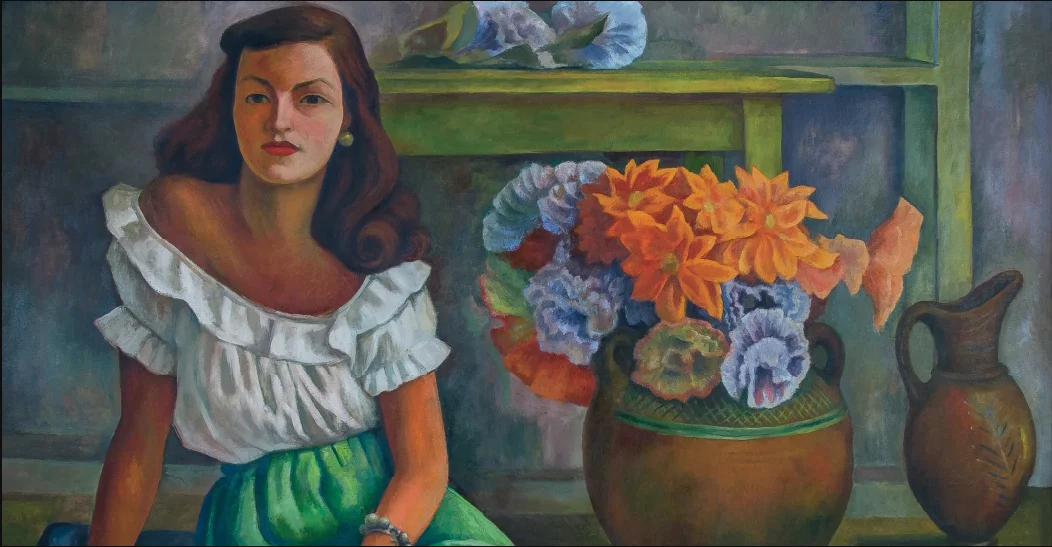
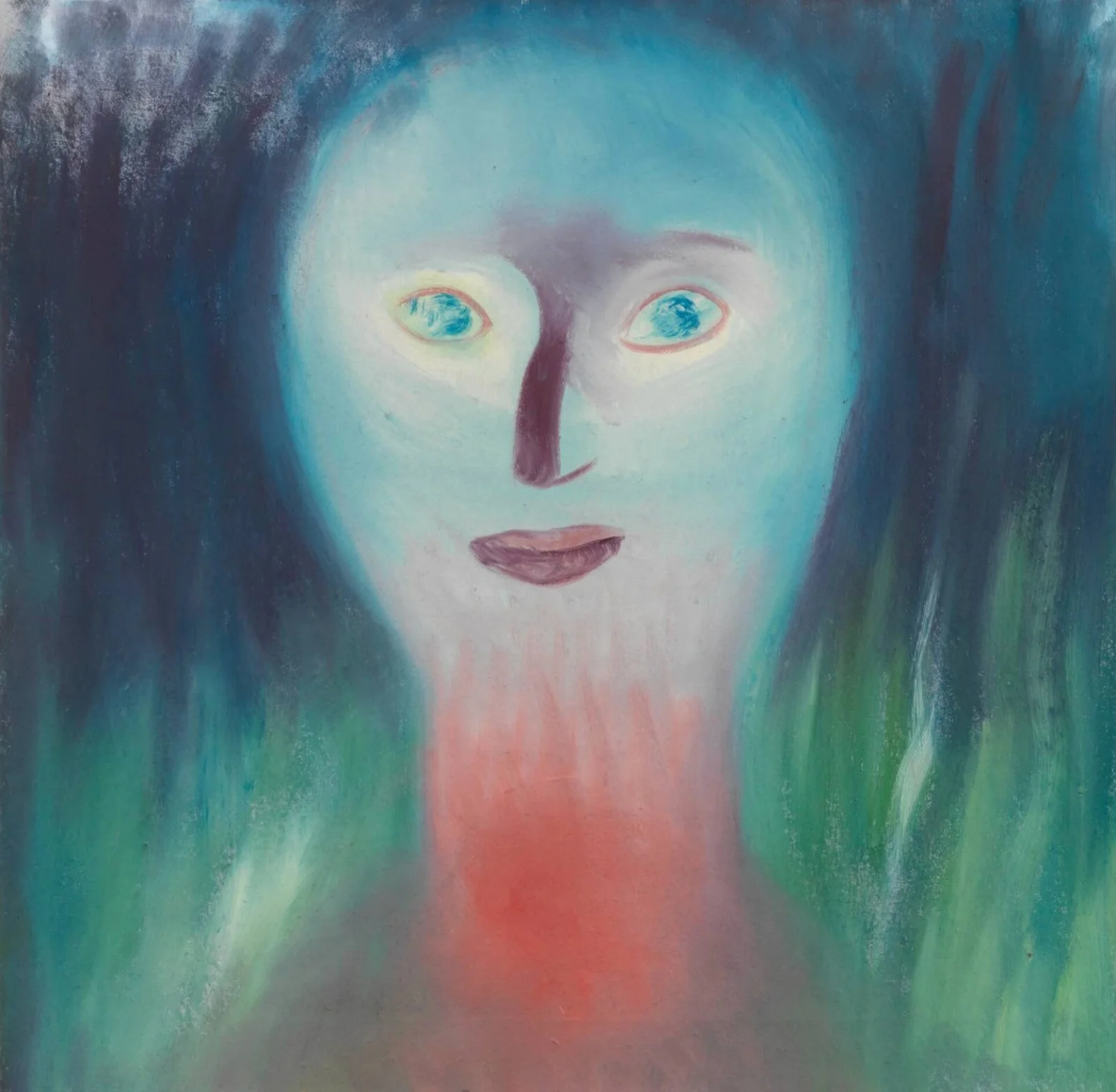
GAM 100. Un secolo di Galleria Comunale 1925–2025 at the Galleria d'Arte Moderna in Rome, Italy, marks a century of municipal collecting by examining how the institution grew alongside the artistic and political shifts of the capital. Visitors encounter a narrative that connects the development of the public collection with the turbulent history of the city's modern art policies.
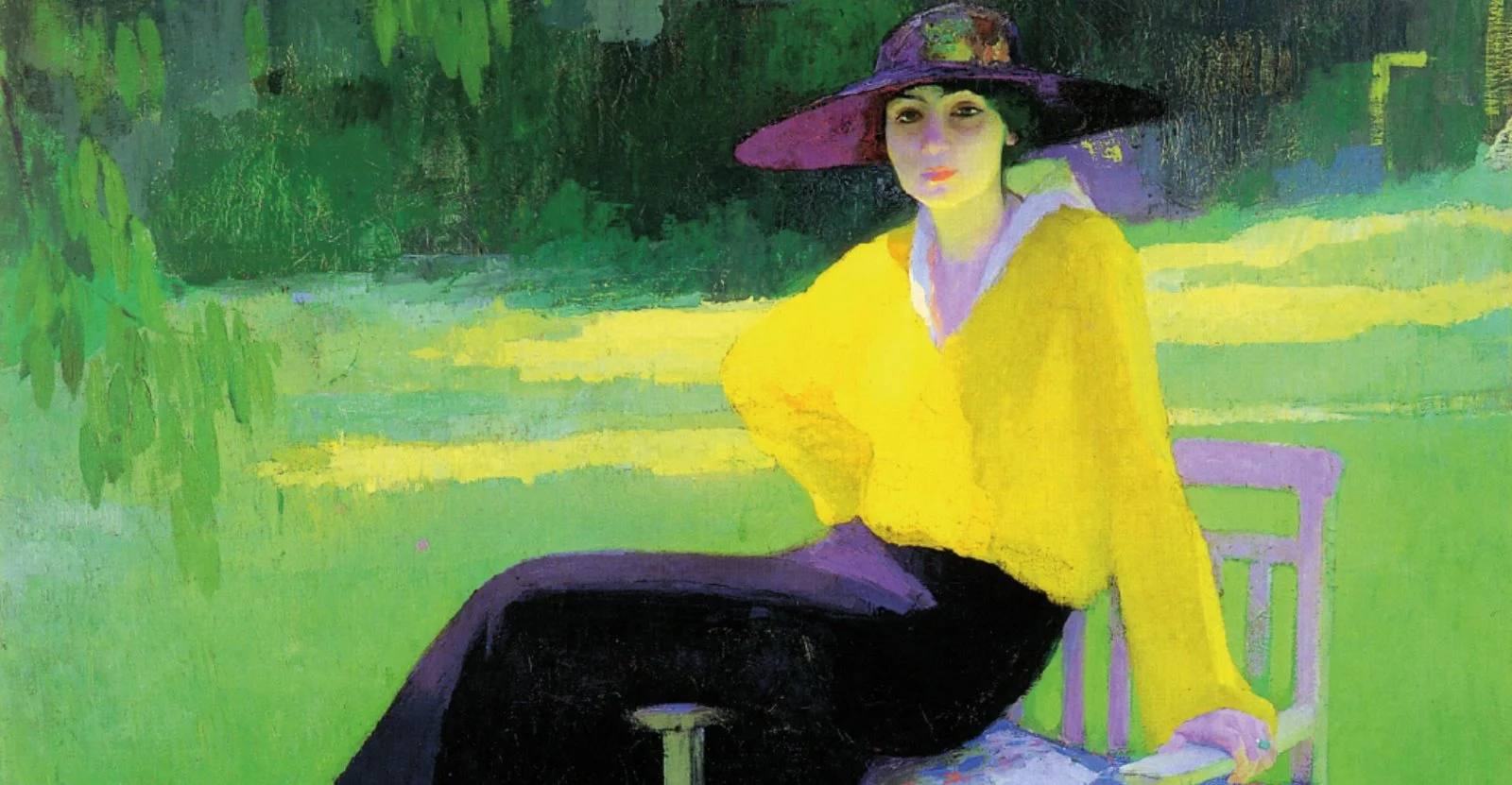
The display brings together more than 120 paintings, sculptures, and works on paper across the museum's three floors. Selections trace late nineteenth-century Symbolism, the Roman Secession, Futurism, Novecento Italiano, Magic Realism, Metaphysical art, and post-war abstraction. Archival documents and photographs reconstruct the gallery's various relocations and its turbulent institutional past, including its period as the Galleria Mussolini.
What makes the exhibition distinctive is its focus on Rome as an artistic center and the mechanics of public patronage. Rather than presenting a universal survey, it illustrates how municipal taste, political pressures, and shifting building locations shaped which artists entered the permanent collection and which histories were preserved over the past hundred years.
Worth travelling for?
A rewarding, focused alternative to Rome's larger national modern-art museums, ideal for visitors interested in the complex relationship between municipal politics and twentieth-century Italian art.
Experience as an Artlover
Open Tuesday through Sunday from 10:00 to 19:00, with last admission 30 minutes before closing. Admission is free for residents of Rome with a valid identity document and for MIC Card holders, while online booking is recommended for non-residents.
GAM 100. Un secolo di Galleria Comunale 1925–2025
Admission