At a glance
A museum without walls, a generation seeking freedom and fifty-six works connecting Mexico’s experimental sixties with contemporary art across the globe.
Meet the artist

Why go
The exhibition revisits the short-lived Museo Dinámico, examining how Mexican abstract artists and international figures challenged traditional institutional spaces through collaboration, unstable architecture, and interdisciplinary practice.
You'll see
56 works by 46 artists · Painting, sculpture and installation · Generación de la Ruptura abstraction · Contemporary international loans
Pace of visit
Allow extra time if you plan to watch the moving-image pieces or examine the archival material about the Museo Dinámico.
Don't miss
The dialogue between historical Mexican abstraction and later practices that treat architecture as social evidence.

Artlovers Tip
Do not read the display as a standard chronological survey of Mexican art. Track three recurring ideas across the rooms: abstraction as a tool for freedom, architecture as active space, and art expanding beyond the physical object into sound, language, and performance.
Inside the exhibition
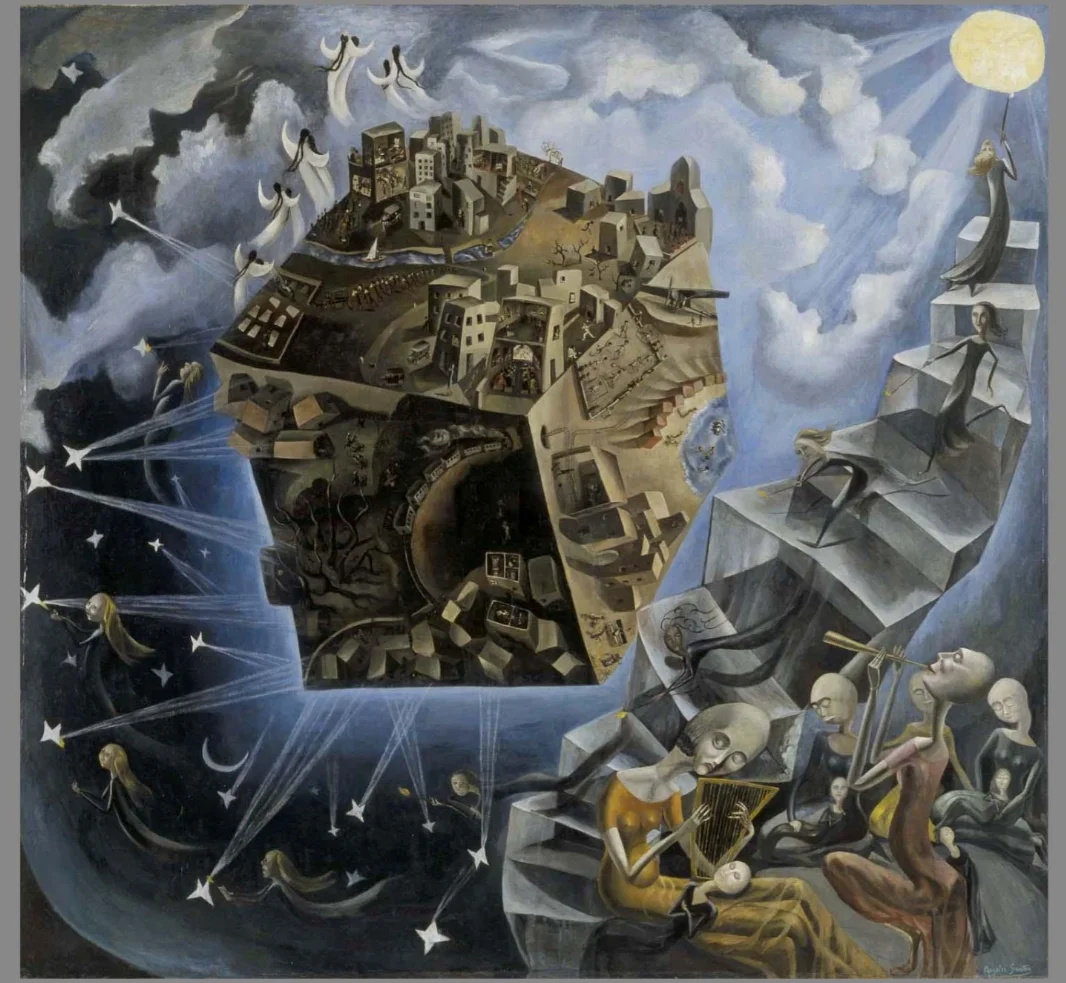
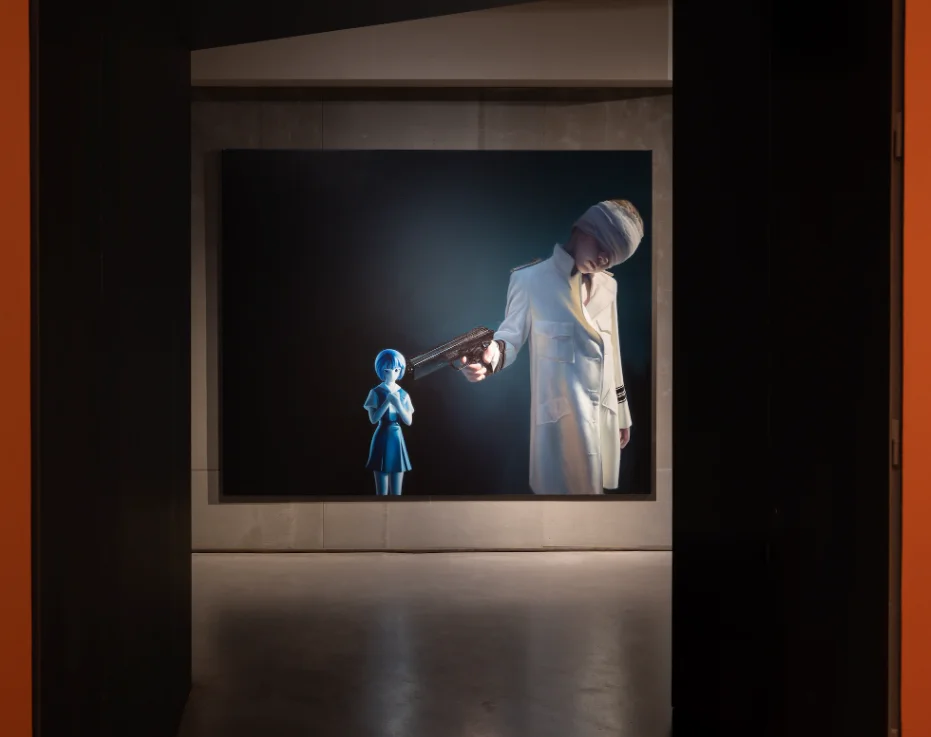
Fundación Casa de México en España in Madrid presents Fue de día, fue de tarde, fue fantástico, an exhibition curated by Magnolia de la Garza drawing from the Isabel and Agustín Coppel Collection. The project examines the legacy of the Museo Dinámico, an influential initiative operating in Mexico between 1962 and 1967 that rejected permanent buildings in favour of temporary sites.
Bringing together fifty-six works by forty-six Mexican and international artists, the presentation features painting, photography, sculpture, video, and text-based art. Key figures of Mexican abstraction such as Lilia Carrillo, Manuel Felguérez, Vicente Rojo, and Fernando García Ponce appear alongside contemporary practitioners including Gabriel Orozco, Francis Alÿs, and Abraham Cruzvillegas, alongside international names like Gordon Matta-Clark and Helen Frankenthaler.
Rather than reconstructing historical events, the selection extends the experimental questions of the 1960s into the present. It investigates how artists create alternatives when public institutions offer little support, positioning Mexican modernism within a wider international dialogue about language, space, and institutional critique.
Worth travelling for?
A strong, intellectually engaging survey that connects Mexican abstraction with international conceptual practices, well worth a dedicated visit in Madrid.
Experience as an Artlover
Admission is free and no advance reservation is required for general visits. The galleries are located on the first floor, with doors open Monday from 10:00 to 19:00, Tuesday through Saturday from 10:00 to 21:00, and Sunday from 10:00 to 14:00. The nearest metro stations are San Bernardo and Argüelles.
Fue de día, fue de tarde, fue fantástico
Admission
Artlovers relevance
On view at
Casa de México en España
Madrid, Spain
On the art routes Chamberí and Malasaña – Conde Duque – Plaza de España
Hours & rating from Google