At a glance
An expansive survey that tracks how a small Nordic nation redefined the domestic interior through functional beauty, ergonomic precision, and a floor-to-ceiling installation of chairs.
Meet the artist
Why go
Beyond the iconic silhouettes, this show breaks down the specific marriage of hand-craftsmanship and industrial production that turned Danish furniture into a global design powerhouse during the mid-twentieth century.
You'll see
Mid-century furniture icons · 125-piece chair tunnel · Original design sketches · The Frankfurt Kitchen · Experimental Pop era plastics
Pace of visit
The density of archival documents and research materials alongside the furniture invites a slower, more analytical pace than a standard gallery walkthrough.
Don't miss
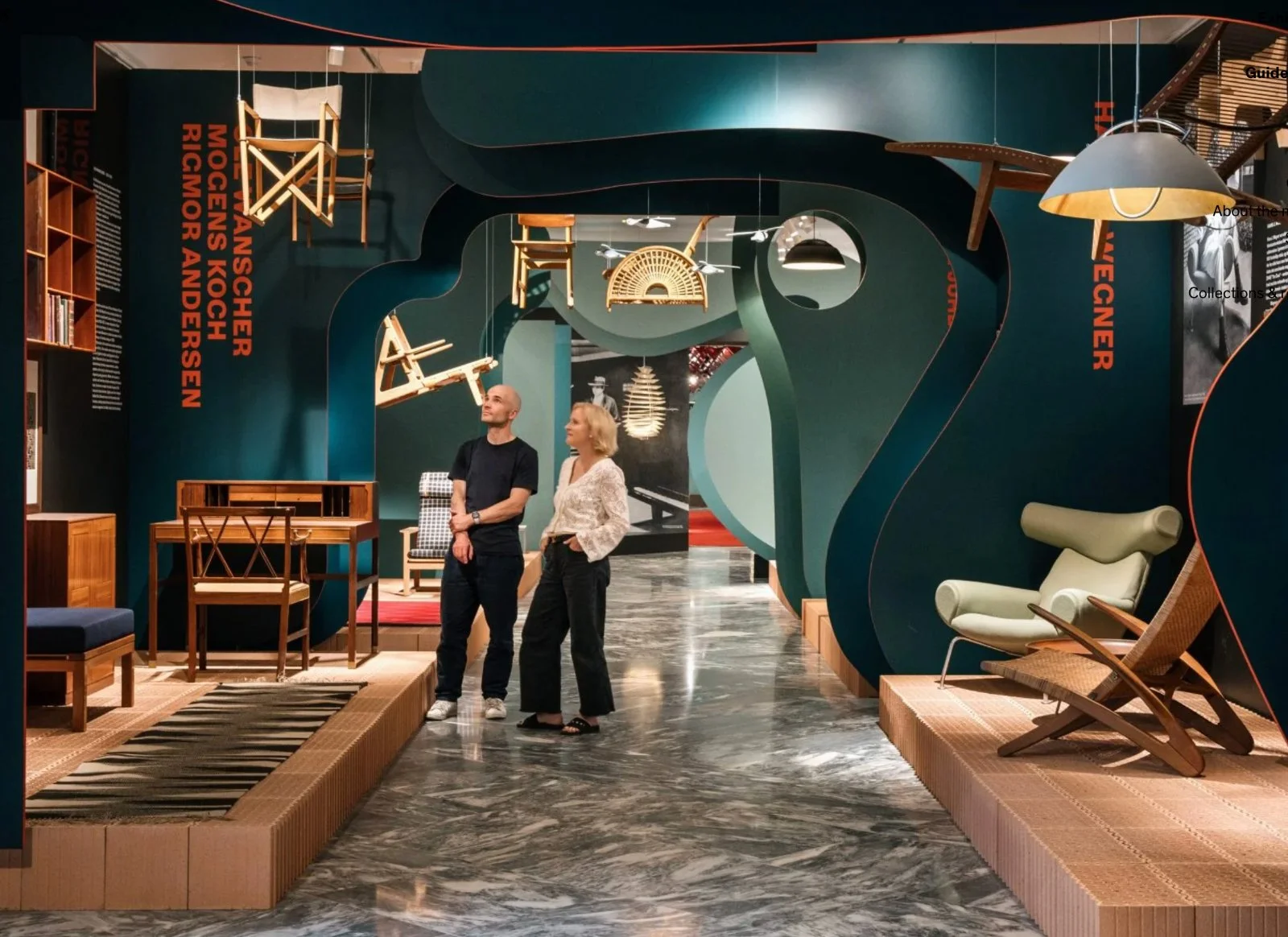
The chair tunnel, which arranges 125 distinct designs into a visual genealogy of how global influences shaped the Danish aesthetic.

Artlovers Tip
Use the chair tunnel to spot the "visual family tree" of design; notice how many Danish classics were actually inspired by reinterpreting earlier British, Chinese, or Shaker models.
Inside the exhibition
Danish Modern at the Designmuseum Danmark in Copenhagen, Denmark, provides a comprehensive look at the evolution of Danish design from the early 1920s through the turn of the millennium. It maps out how a rebellion against heavy Victorian décor led to a new visual language defined by simplicity, human proportions, and natural materials.
The exhibition moves chronologically from Kaare Klint's rationalist furniture and the efficiency of the Frankfurt Kitchen to the sculptural postwar pieces of Arne Jacobsen and Hans J. Wegner. Visitors will encounter rare prototypes, personal objects, and detailed drawings that illustrate the collaborative process between visionary designers and master cabinetmakers.
This presentation is significant for illustrating how Danish Modern became a global brand, fueled by pivotal exhibitions in the 1940s and subsequent North American tours. It highlights the movement's versatility, showing how it transitioned from traditional wood craftsmanship to the vibrant, experimental plastics and high-tech aesthetics of the 1980s.
Worth travelling for?
An essential stop for design enthusiasts that places world-famous furniture in its proper historical context, focusing on the research and craft behind the aesthetics.
Experience as an Artlover
The museum offers extended hours until 20:00 every Thursday, providing a better opportunity to explore the archival sections without the weekend crowds.
Danish Modern
Permanent
Artlovers relevance
Plan your visit
Hours & rating from Google